Category Macro / Economy

Why Bond Yields and Inflation are Challenging the Rate Cut Narrative Why Bond Yields and Inflation are Challenging the Rate Cut Narrative

Why Bond Yields and Inflation are Challenging the Rate Cut Narrative

A few months ago Jay Powell claimed victory. Last Sept he said words to the effect of "the time has come to start easing rates". He initially cut rates by 50 points - followed by two more cuts of 25 basis points. Markets were thrilled at the thought of more cheap money - pricing in as many as 6 or 7 rate cuts over the next 12 months. However, at the time I asked why the need to cut? The data simply didn't support it. Jobs were fine. The economy was growing. Inflation was not yet at its desired level. Why cut? However, whilst the Fed was busy running a victory lap - the bond market was less convinced. The US 10-year yield went the other direction -- and appears likely to retest 5.0% in the next few months. What does this do to valuations?
Economic Indicators: When “Bad News” Becomes “Bad for Markets” Economic Indicators: When “Bad News” Becomes “Bad for Markets”

Economic Indicators: When “Bad News” Becomes “Bad for Markets”

Last weekend I questioned whether markets could break out to the upside; or perform what trader's refer to as a "back and fill". My best guess was the latter. In turns out, things traded 'per the script', where the S&P 500 suffered its worst week since March 2023 - giving back 4.20%. The Nasdaq fared far worse - shedding ~6% - led by large losses in popular AI chip stocks. So why are market's worried? It's concerns about growth. With a market trading close to ~22x forward earnings - expecting YoY EPS growth of 11% -- that's not consistent with 'slowdown' scenario.

What Does Kolanovic See That Others Don’t?

Most analyst year-end S&P 500 targets range from 4200 to 5600 for equities; and 3.00% to 4.75% for 10-year yields. My guess is we will land somewhere in between these zones. On the whole, it's fair to suggest Wall Street feels 'comfortable' with holding equities. Consensus year end targets average 5400 - which tells me most don't expect stocks to do much between now and year's end. More important - they don't expect stocks to lose any ground. This post expands what I think is the single most important variable (and risk) with these forecasts: the relative health of the US consumer and their ability to continue spending.

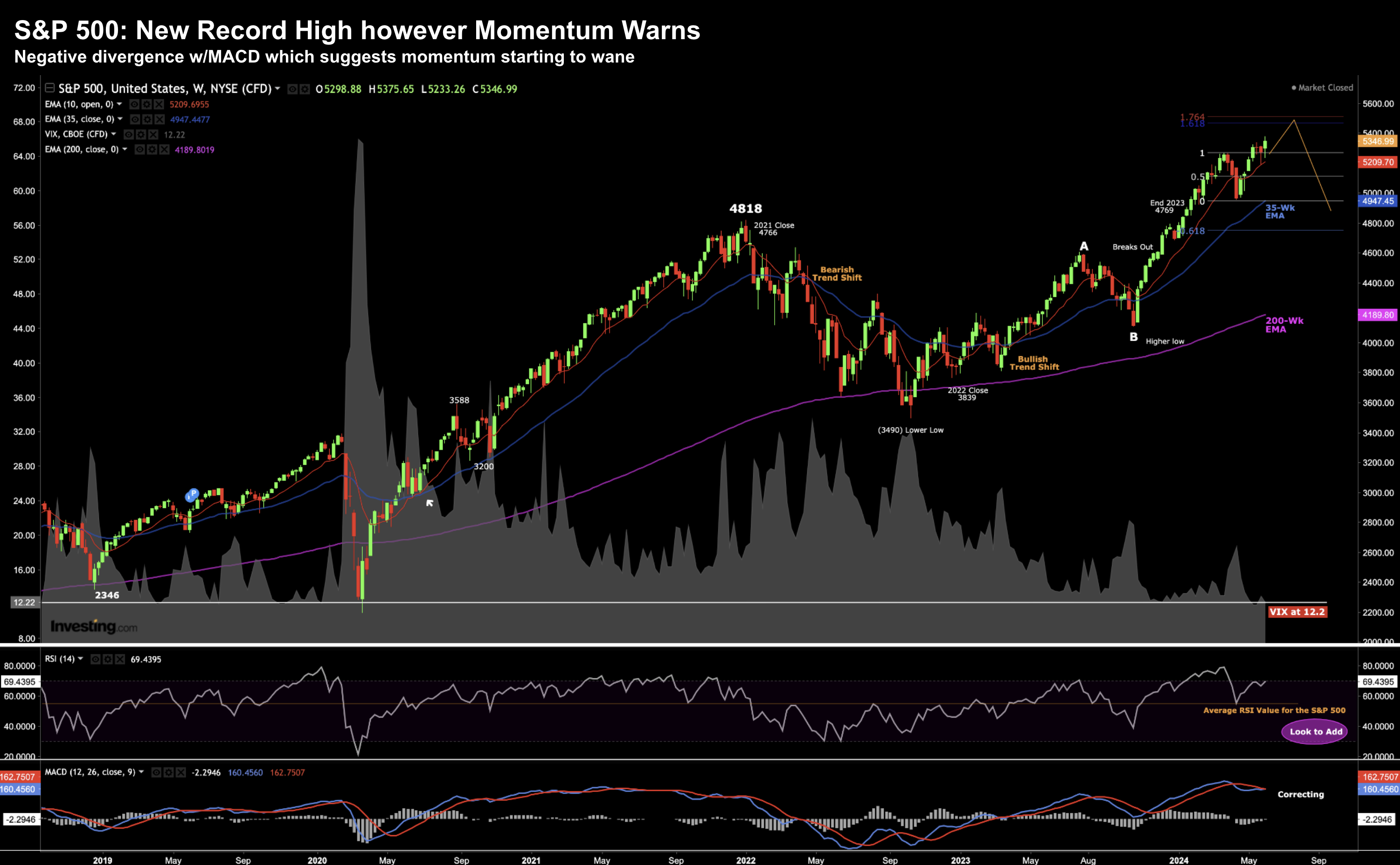
Is Momentum Waning? More on Why I’m Bullish Bonds into 2025

As part yesterday's missive - I talked to why I think bond yields are too high. For example, I offered a chart showing the declining trend in nominal GDP growth vs what we see with the US 10-year yield. Economic growth is clearly slowing and yet yields are going the opposite way. Why? Therefore, investors should ask themselves what is the catalyst which will take us back to a 3.0% 'growth' mode (i.e. what we saw over Q3 and Q4 of 2023)? For example, is it the consumer? They make up ~70% of GDP with consumption - however they are mostly tapped out (as we have heard in the latest earnings reports). What will it be?

For Now… Bad News is Still Good News 

Never confuse the stock market for the economy. They are two very different things. And whilst there are times when the two will trade in unison - there are also plenty of occasions when they diverge. Now is possibly the latter. For example, this week we had a plethora of 'less than positive' economic news. But it didn't stop the market surging back to near record highs. Why? Every bit of bad (or soft) economic news is a step closer for the Fed to lower rates.

Rate Cuts and Small Business Optimism Fades

Make that three in a row. Jan, Feb and Mar CPI all exceeded expectations - showing how stubborn inflation can be. And whilst the Fed focuses more on Core PCE (due at the end of the month) - this remains a concern. Here's the thing: non-core inflation continues to hurt real America. Take small business - their confidence is now at 2012 lows. Their primary concern: inflation and higher input costs.

How About Zero Rate Cuts this Year?

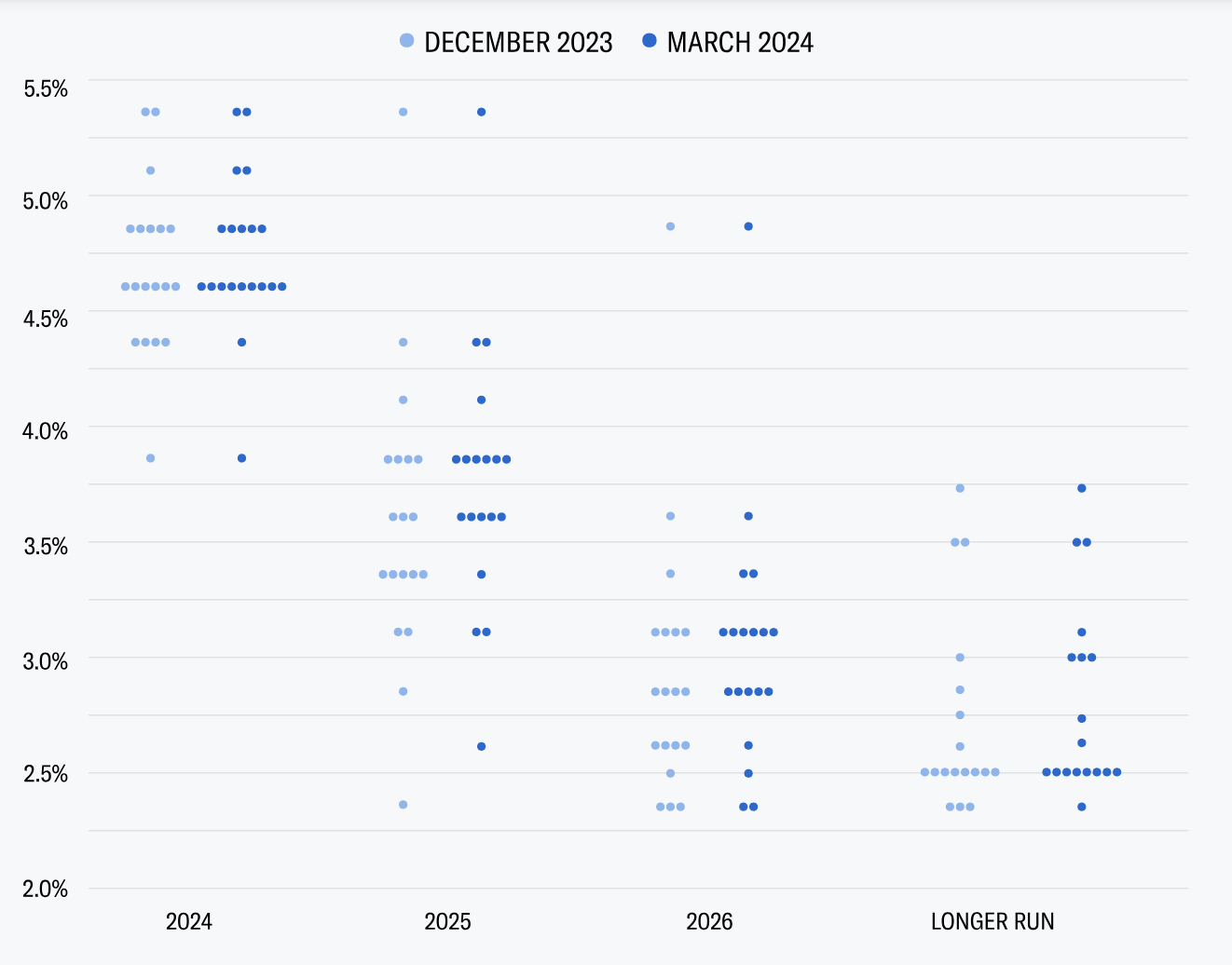
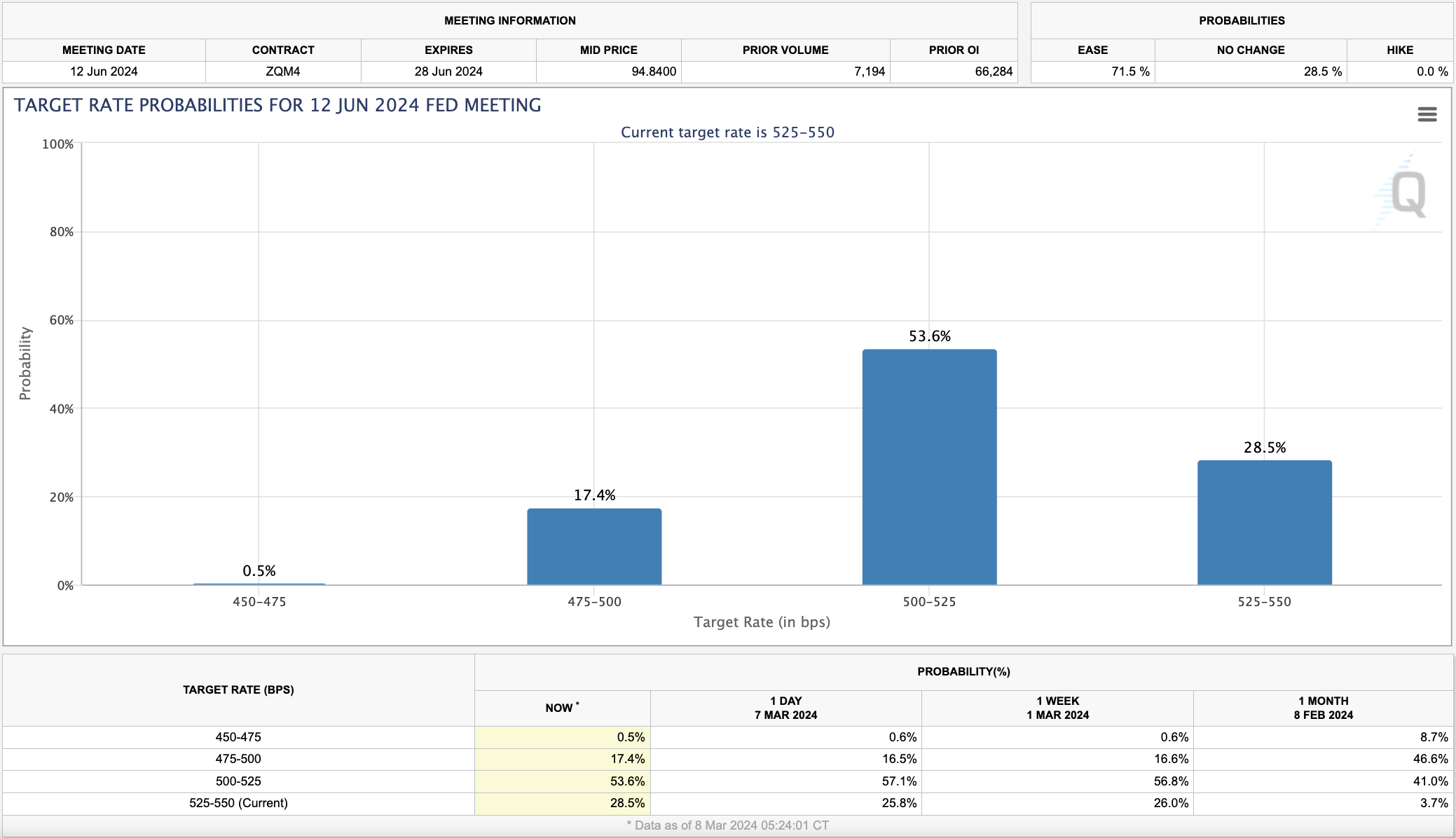
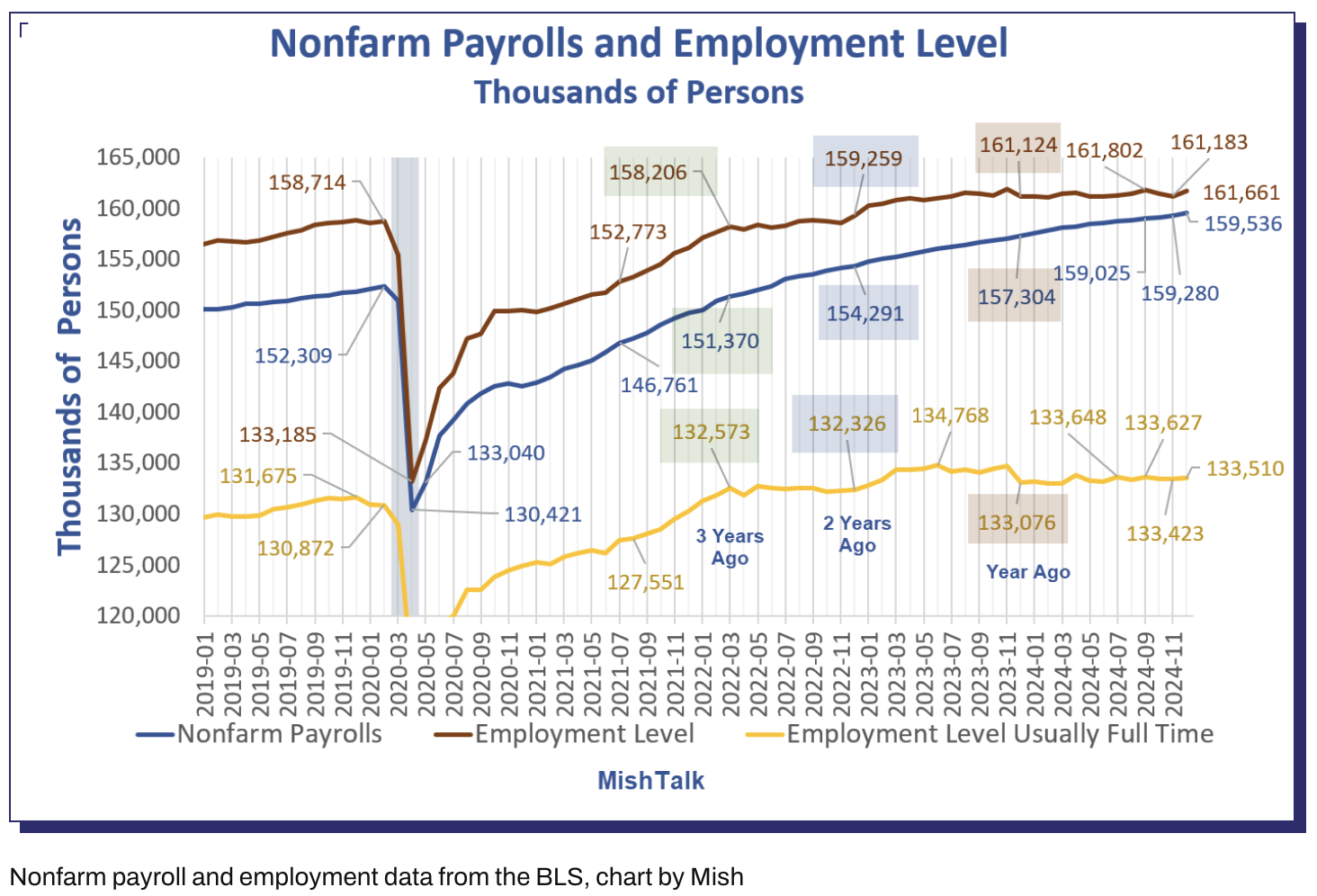
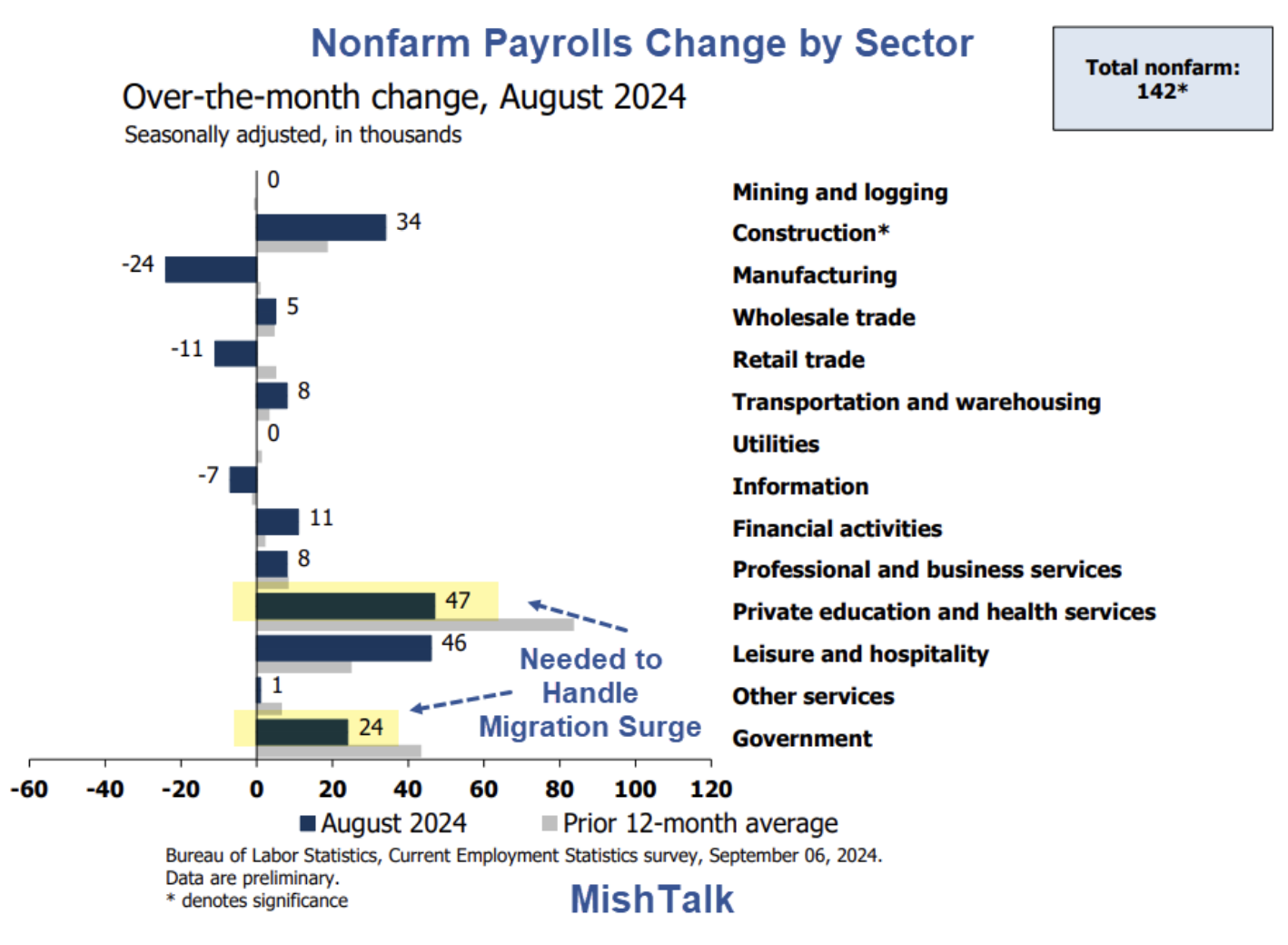
At the time of writing (April 7) - the market is pricing in three rate cuts this year. I don't see it. In fact, I think there is a very good chance of NO rate cuts this year. Now that is not a scenario the market is pricing in. However, with inflation likely to remain stubbornly high - where property prices are not falling - and the labor market remains tight - why would the Fed cut? Let's explore....

It’s Not If “Long & Variable Lags” Hit… It’s When

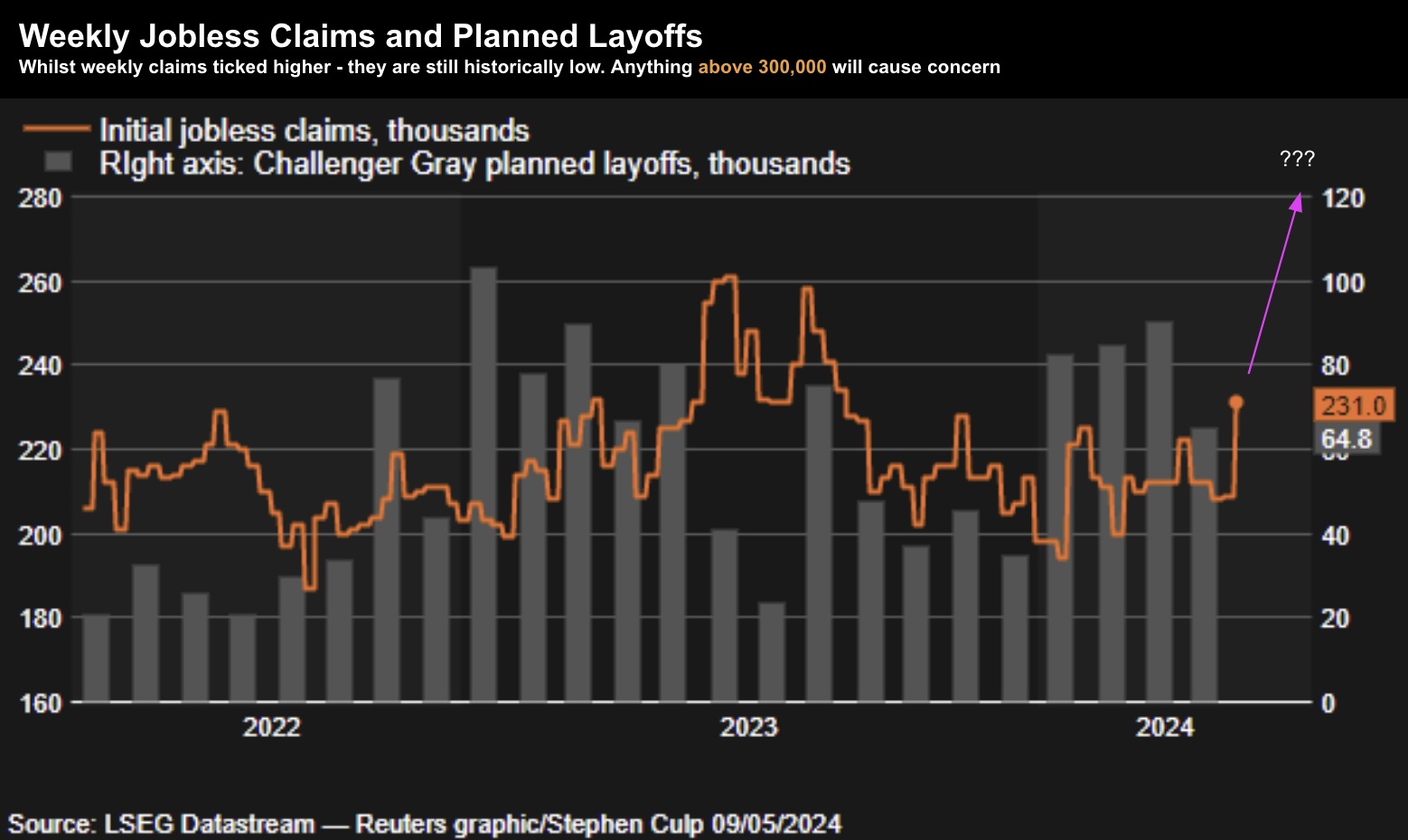
Milton Friedman coined the expression "monetary policy operates with long and variable lags". In the 1970s - he felt it was up to around two years before those effects are felt. Today it's believed to be sooner - given open transparency of Fed speak and data tools available. But is it? It's been two years since the Fed's first hike and we're just starting to see labor markets soften and consumer demand weaken. Have the full effects of tighter policy been absorbed? I don't think so.

Consumer Confidence Drops as Delinquencies Continue to Rise

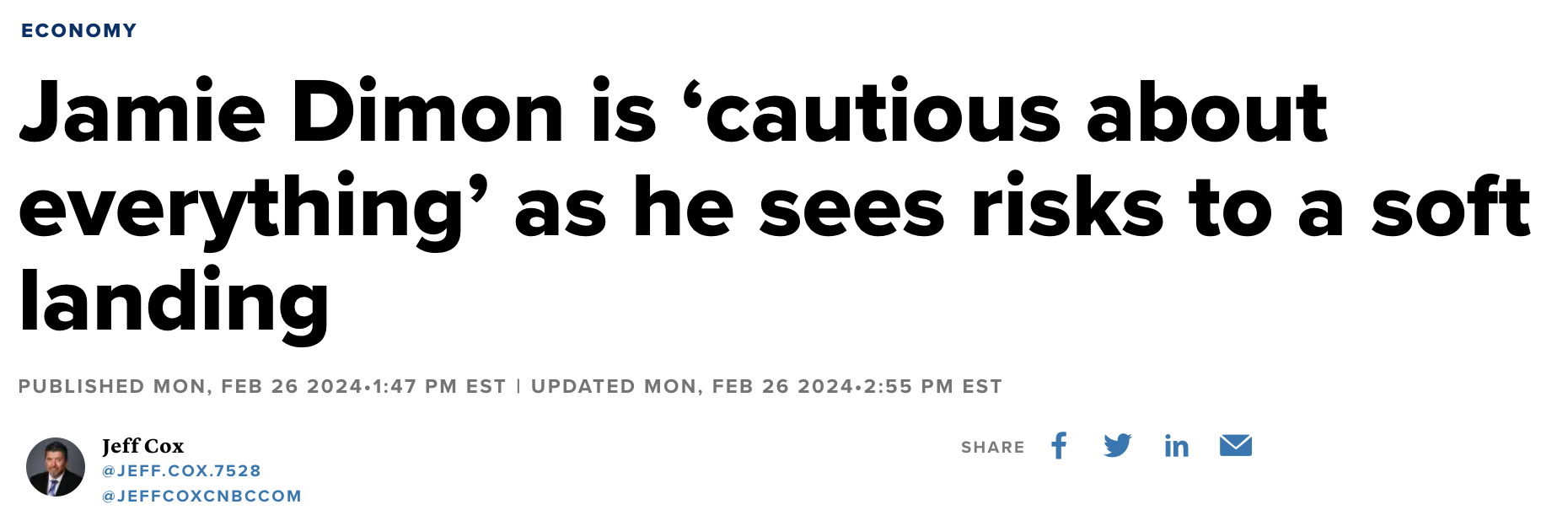
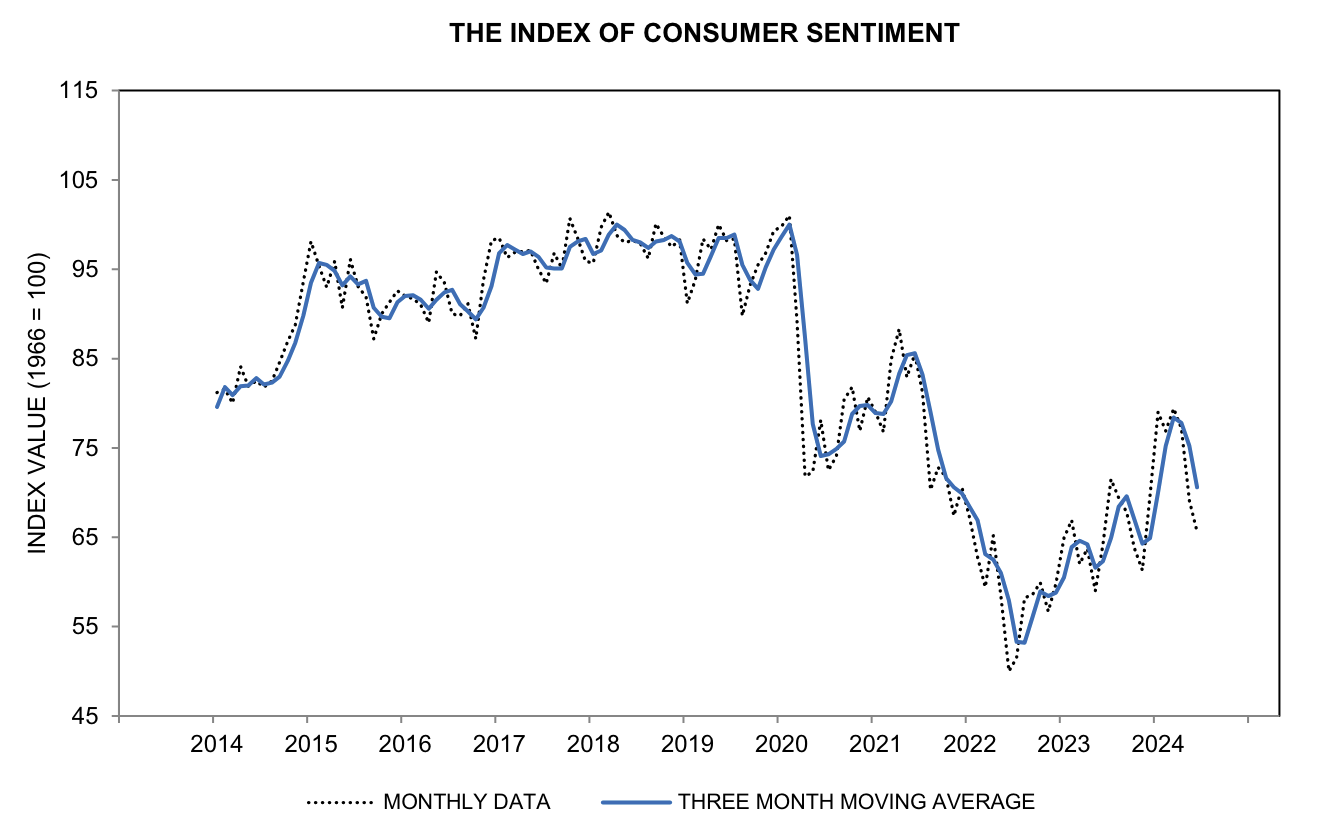
Warren Buffett expressed caution around overpaying in his most recent letter. Jamie Dimon - JP Morgan CEO - said today there's a 50% chance of recession - with a soft landing slim. News of falling consumer confidence and rising credit delinquencies also hit the tape today. This begs a question: is the consumer in 2024 stronger than what we saw in 2023? My guess is no.

Powell Won’t be Bullied

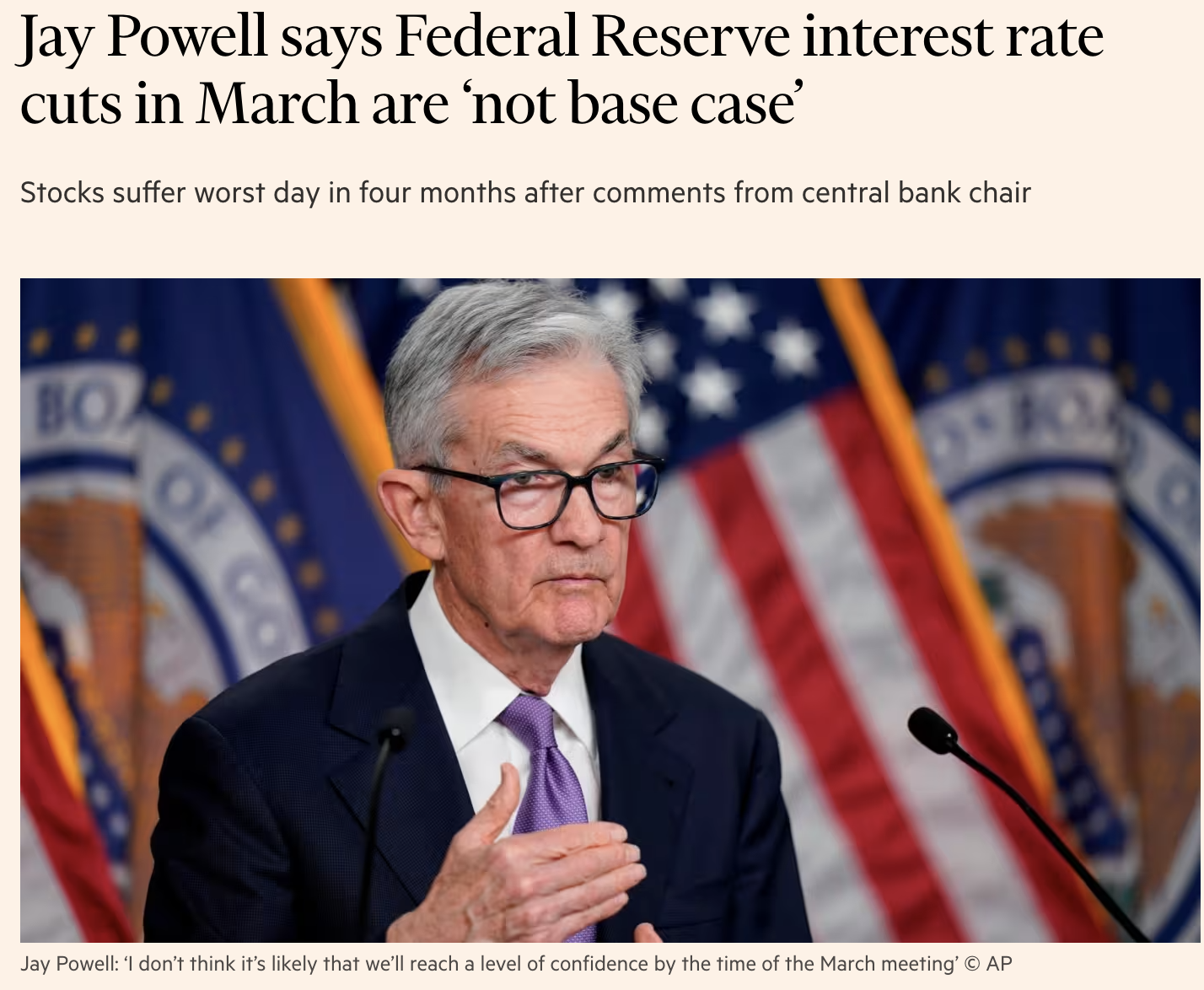
As we started this year - I felt the market was getting ahead of itself. Not only was the tape approaching an overbought zone - it also assumed as many as six rate cuts (possibly seven) before the end of the year. What's more - it also priced in that earnings per share (EPS) would grow 12% year on year. It felt like a contradiction. For e.g., either the economy was reeling and needed (emergency) rate cuts; or the economy is expanding strongly (supporting earnings growth)? Today Fed Chair Jay Powell pushed back on the former. Markets should not expect rate cuts as early as March... stocks didn't like it.