Category Psychology

INVESTCON 5: Trimming Growth and the Calculus of Value INVESTCON 5: Trimming Growth and the Calculus of Value

INVESTCON 5: Trimming Growth and the Calculus of Value

Howard Marks reminds us, true success lies in understanding the critical difference between price and value. Price is what you pay for an asset—a number driven by market sentiment, optimism, and fear. Value, on the other hand, is what you get—an asset's inherent worth based on its ability to generate future cash flows. While markets may act as a voting machine in the short term, pushing prices to extremes, they behave like a weighing machine over the long run, eventually reflecting true value. By focusing on value over price, investors can avoid costly mistakes.

The Patience Paradox: Why ‘Buy and Hold’ Fails at 23x Earnings The Patience Paradox: Why ‘Buy and Hold’ Fails at 23x Earnings

The Patience Paradox: Why ‘Buy and Hold’ Fails at 23x Earnings

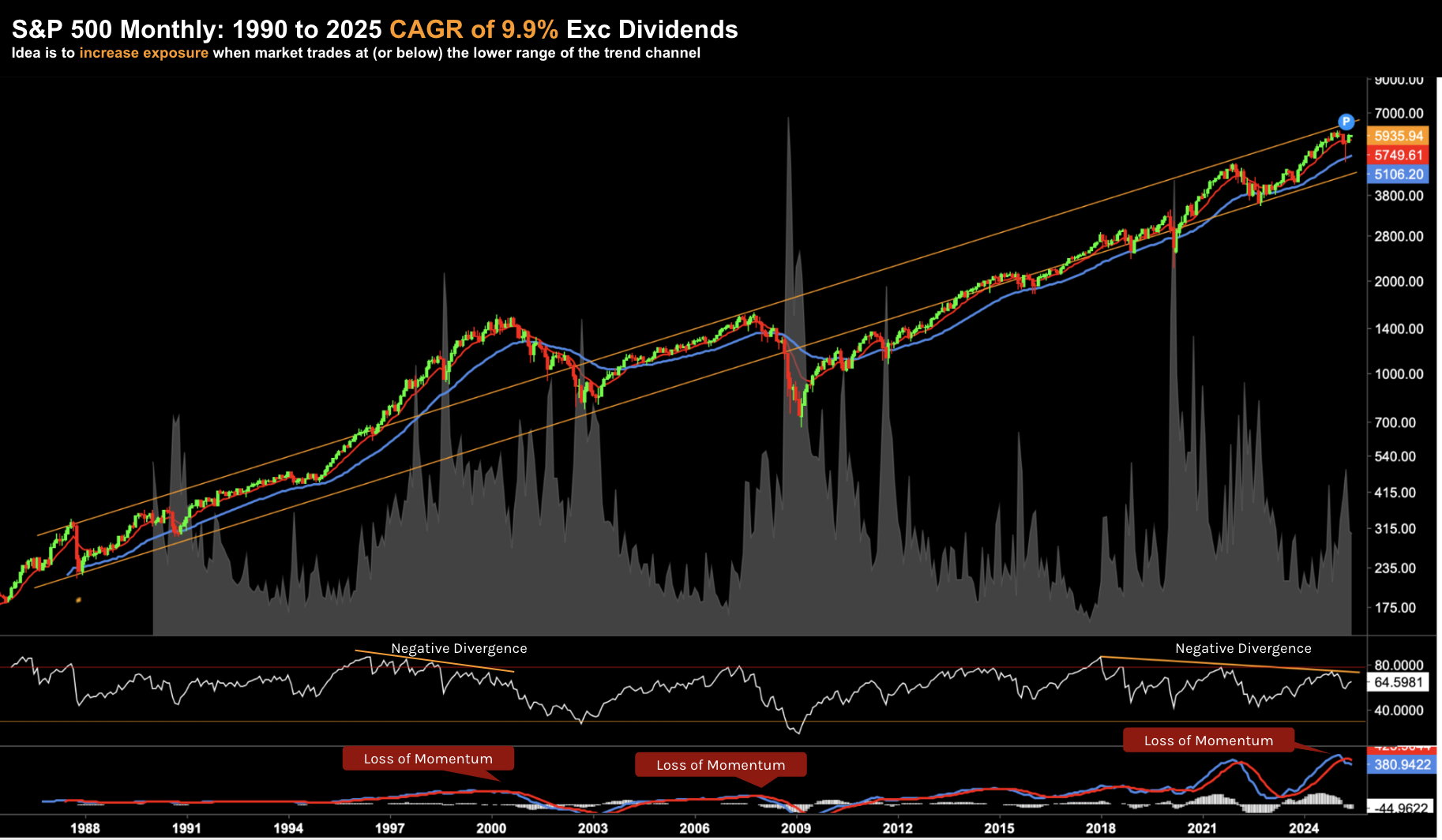
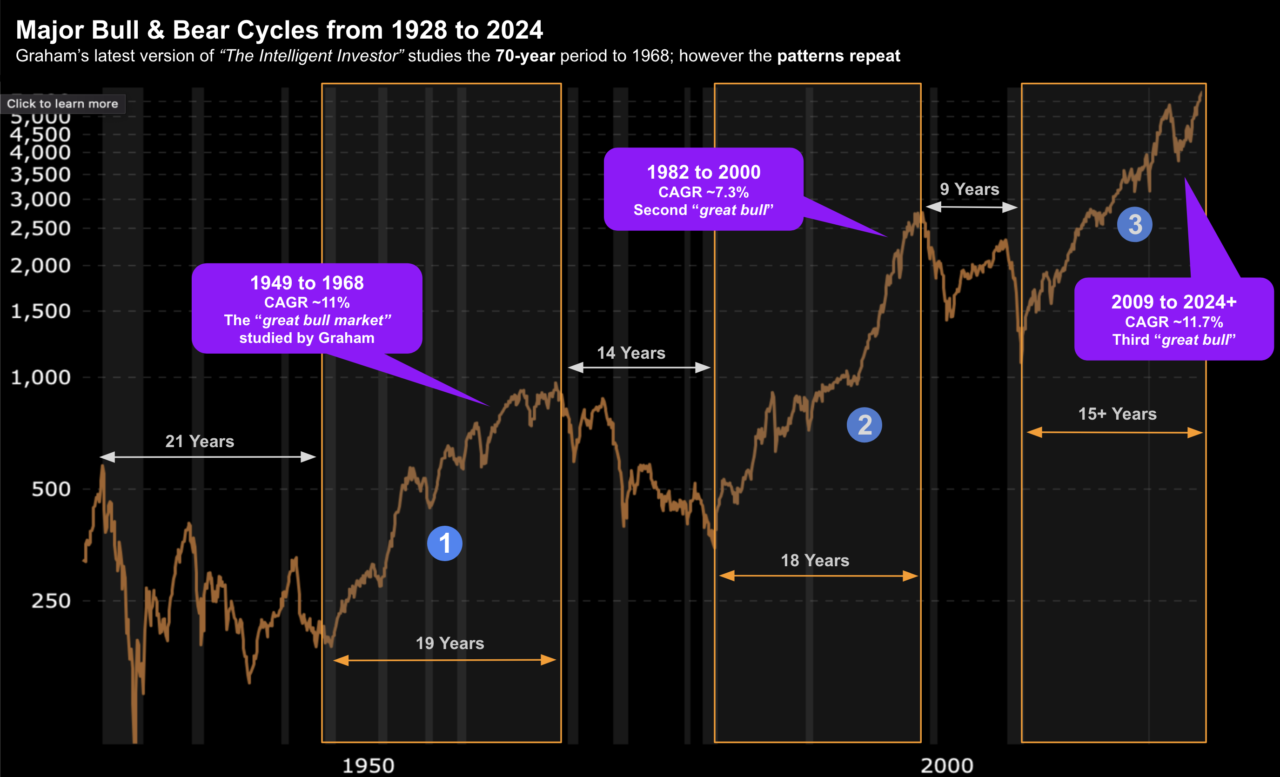
Over the past ~40+ years - the S&P 500 Index has returned an average of ~9.3% annually exc. dividends (i.e., 171.6 Jan 1985 to 5,979.5 Jan 2025). If we limit that to the past decade (from 2015) - that avg annual return increases to 11.4% (excluding dividends). But what matters most is (a) the price you pay; and (b) when you get out. Sitting tight for 10 years does not guarantee a 10% return...

The Patience Paradox: Why ‘Buy and Hold’ Fails at 23x Earnings The TACO Trap: Why the S&P 500 Mean Reversion and the 5% Bond Yield are the Real ‘Sell in May’

The Patience Paradox: Why ‘Buy and Hold’ Fails at 23x Earnings

The market is betting Trump is all bluster and no action. The acronym "Trump Always Chickens Out" (TACO) is sure to piss the President off. Now, if the TACO trade is right, then Trump's threats will lose their power as a negotiating tactic. Therefore, on the assumption Trump believes in protectionism - he may have to follow through on some of his rhetoric. Markets seem to think that won't happen...

Navigating Market Panic: What Surging Bond Yields and Peak Fear Tell Us Navigating Market Panic: What Surging Bond Yields and Peak Fear Tell Us

Navigating Market Panic: What Surging Bond Yields and Peak Fear Tell Us

It's very difficult to know if we're at or close to a market bottom. They rarely occur over the space of weeks - it generally takes months. But I cannot predict when (or what) the bottom will be. However, I think the ~20% correction from the market high (6147) to the low (4834) tells me a large portion of the selling is behind us. For example, we're now starting to see equity exposure significantly reduced and cash levels raised. This is a good sign... as there are a lot less people to sell.

Buying Peak Fear: Why a VIX Above 45 is a Rare Long-Term Opportunity Buying Peak Fear: Why a VIX Above 45 is a Rare Long-Term Opportunity

Buying Peak Fear: Why a VIX Above 45 is a Rare Long-Term Opportunity

It's official... the stock market is now 'on sale'. Panic selling has set in with the VIX trading above 45 - something we have only seen 7 times over the past 25 years. For those who resisted chasing extreme valuations the past 12 months - your patience has been rewarded. Valuations have come down. In turn, the longer-term risk reward is now more attractive than what it was only a couple of months ago. But these are rare times. For e.g., it was the only third time this decade that the S&P 500 shed more than 10% in two days.

Navigating Corrections: Valuation Anchors and the Margin of Safety Navigating Corrections: Valuation Anchors and the Margin of Safety

Navigating Corrections: Valuation Anchors and the Margin of Safety

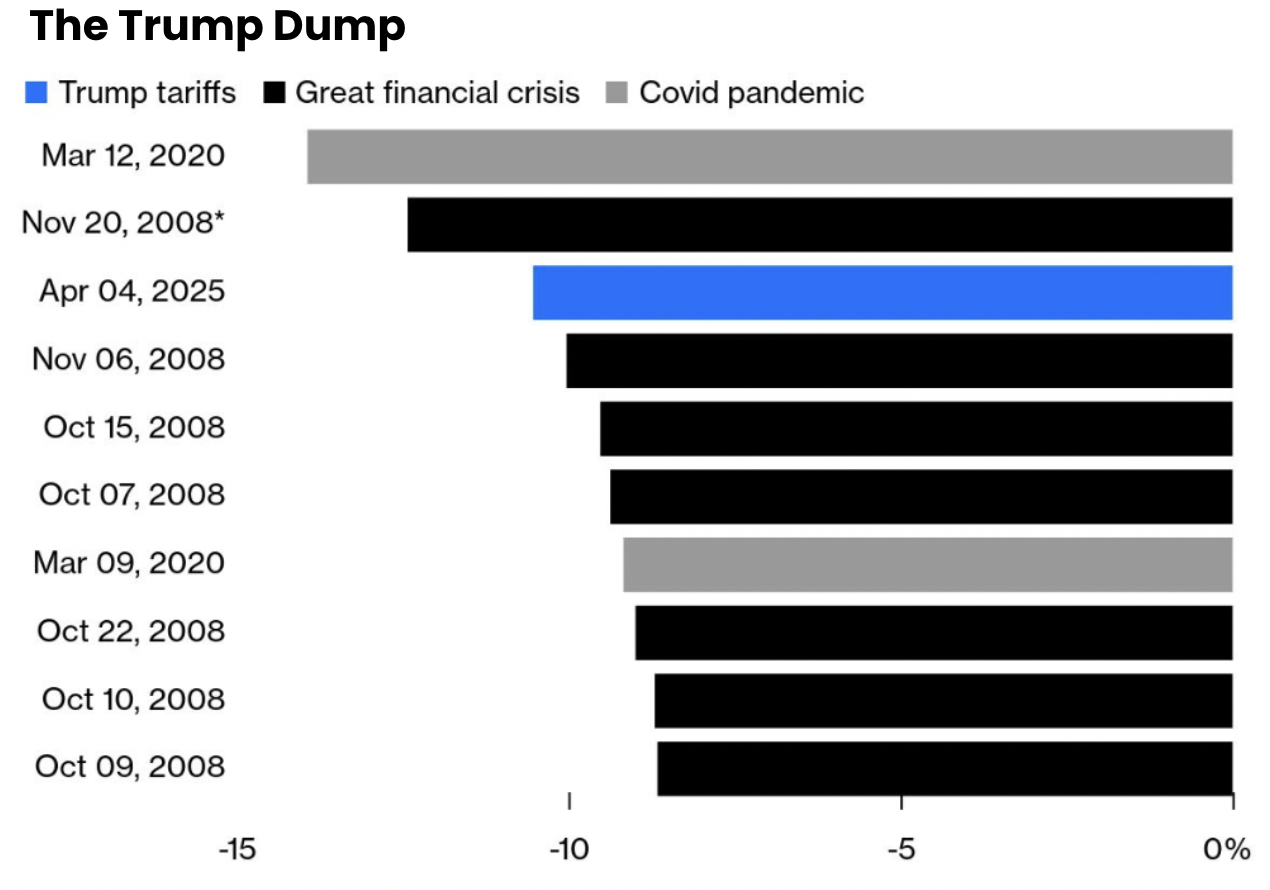
From the moment Trump announced his blanket 10% tariffs in addition to so-called "reciprocal levies" - it's been an exodus from risk assets. The selling was immediate and sharp - something we've not seen since the pandemic five years ago. However, as I will demonstrate, there could be more to come. And from mine - further sharp selling could set up a great buying opportunity for long-term investors.

Market Volatility vs. True Panic: How to Use the VIX to Identify Peak Fear Market Volatility vs. True Panic: How to Use the VIX to Identify Peak Fear

Market Volatility vs. True Panic: How to Use the VIX to Identify Peak Fear

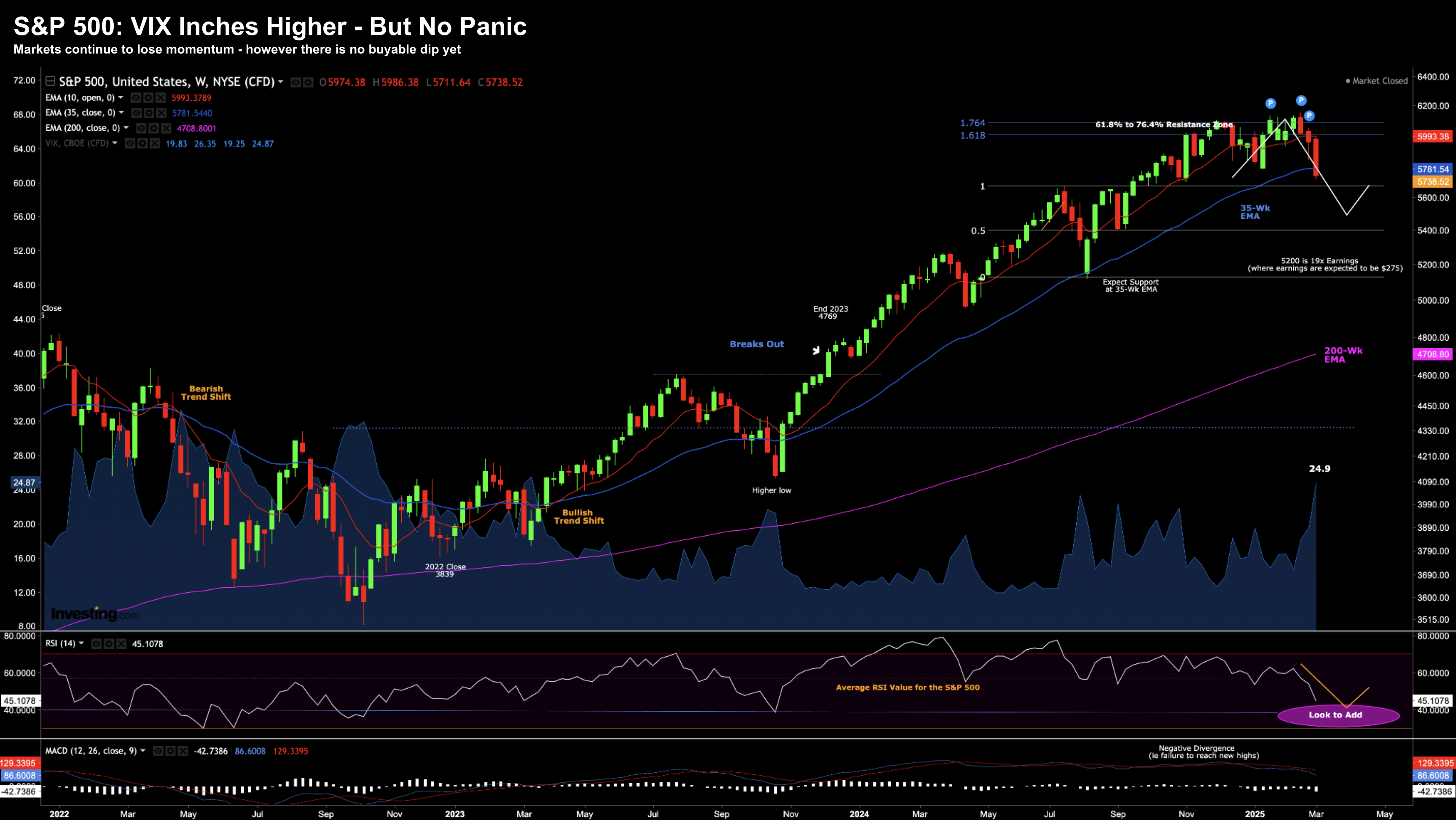
Are markets panicking? That depends on who you ask. A short-term trader might see the ~6% move lower as significant. On the other hand, those who invest for longer-term (such as myself) see a ~6% move down as nothing at all. From mine, panic isn't here yet. However, there is a measure which can help us identify when markets are overly fearful. And generally - they are great buying opportunities. But we are not there yet.

Market Cycle Analysis: Mean Reversion to Identify Opportunity and Risk Market Cycle Analysis: Mean Reversion to Identify Opportunity and Risk

Market Cycle Analysis: Mean Reversion to Identify Opportunity and Risk

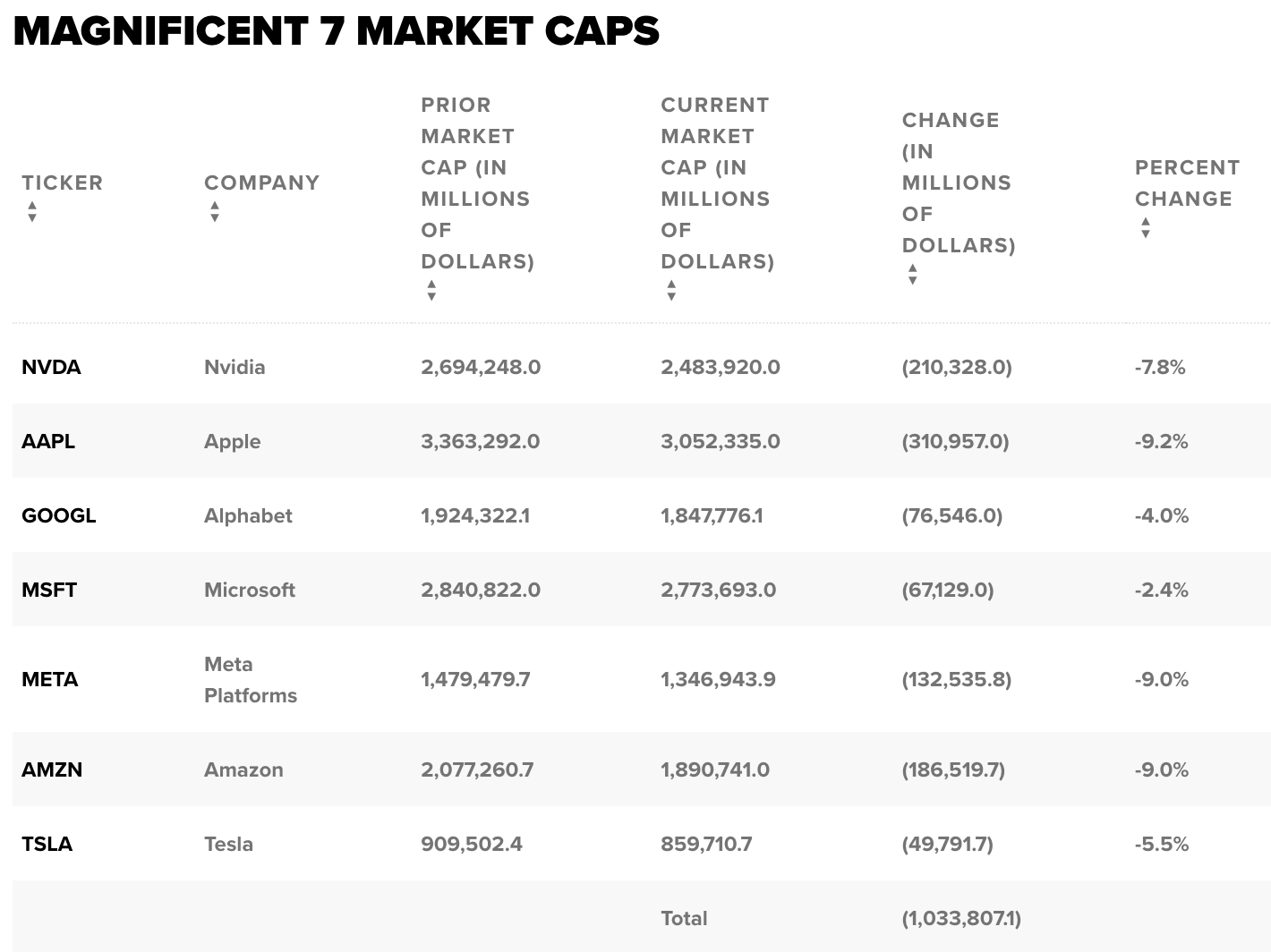
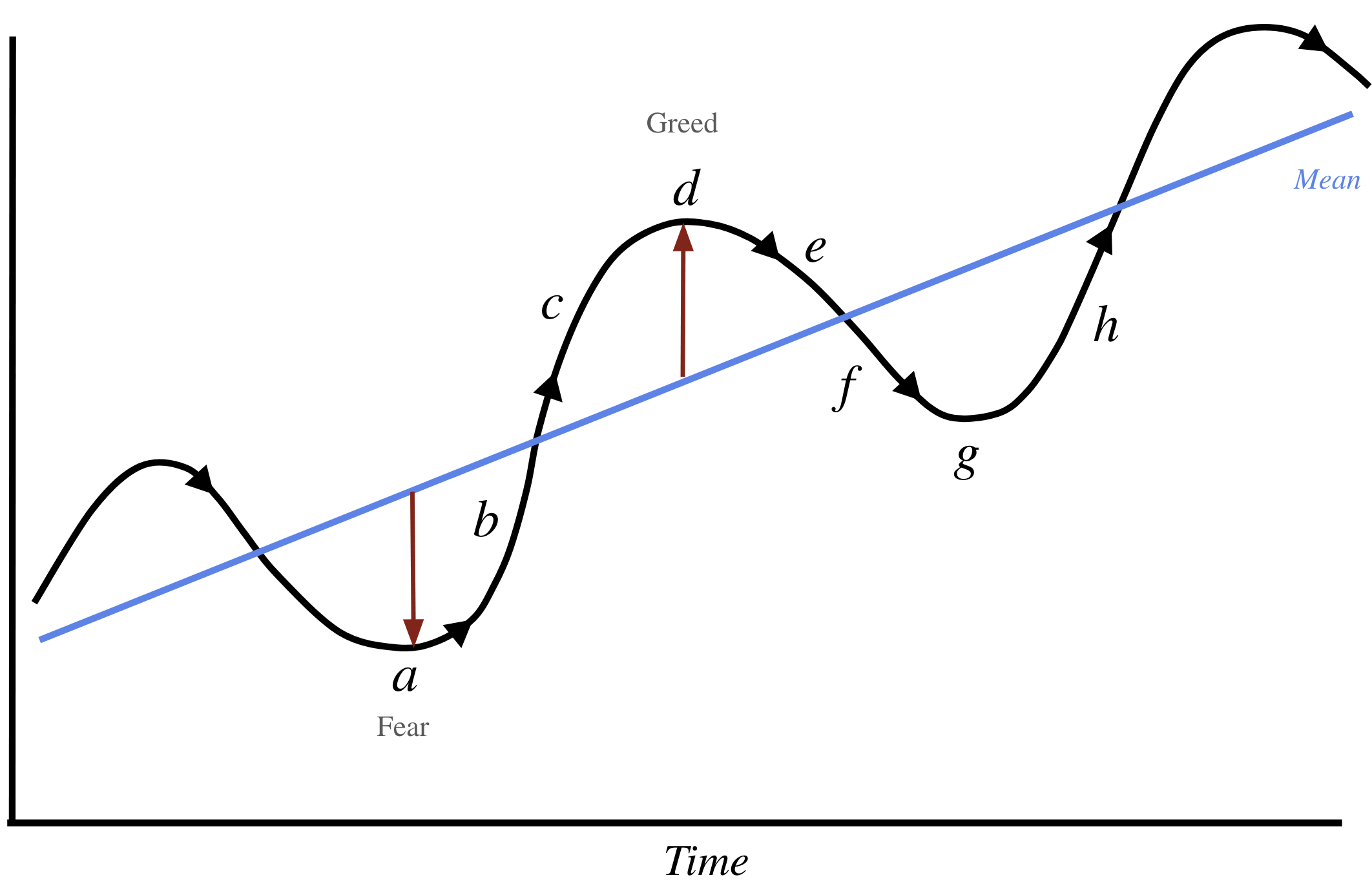
I made a decision to reduce my exposure to large-cap tech a few months ago. The decision wasn't an easy one... these are great stocks. For example, did I sell prematurely? The answer will be more obvious in 6-12 months when the cycle has had sufficient time to play out. For now (as was the case when I sold) - I think the downside risks meaningfully outweighed further upside gains. In this post, I explained how selling is a way of managing your risk. I was ensuring I banked the appreciable gains realized over the past few years. In light of the rotation out large-cap tech we've seen this week - I thought it was opportune to share some thoughts on (a) how I calibrate my portfolio in a changing environment; and (b) when to be aggressive and when to play defense. It all comes back to understand the economic cycle...

The Investor’s Library: 89 Books to Master Market Psychology

"In my whole life, I have known no wise people (over a broad subject matter area) who didn't read all the time—none" - Charlie Munger. This post includes a collection of 89 books I've read which will make you smarter (and a better investor). Old Charlie also told us ".. if it’s wisdom you're after, you are going to spend a lot of time sitting on your ass and reading". Amen to that.

Market Psychology: Buying Well When Mr. Market is Fearful Market Psychology: Buying Well When Mr. Market is Fearful

Market Psychology: Buying Well When Mr. Market is Fearful

Markets are slowly but surely starting to look better. Yes - they are 25% off their highs - but that's a healthy development. The way we make money is buying well. And with a little patience - we hope they go lower. My S&P500 target remains around 3200...