Fed Minutes: Time to Pause QT?

Four things caught my eye with yesterday's release of the January Fed Minutes: (i) worries over tariffs and their impact on inflation; (ii) some members suggesting the fed funds rate is now close to neutral (not the majority); (iii) concerns over the pace of balance sheet reduction targets; and (iv) inflation needing to come down more before lowering rates further. Makes sense to me... But I can't help but wonder when Powell ran a victory lap last September - whether it was premature.

The Key to Growth: Business Investment

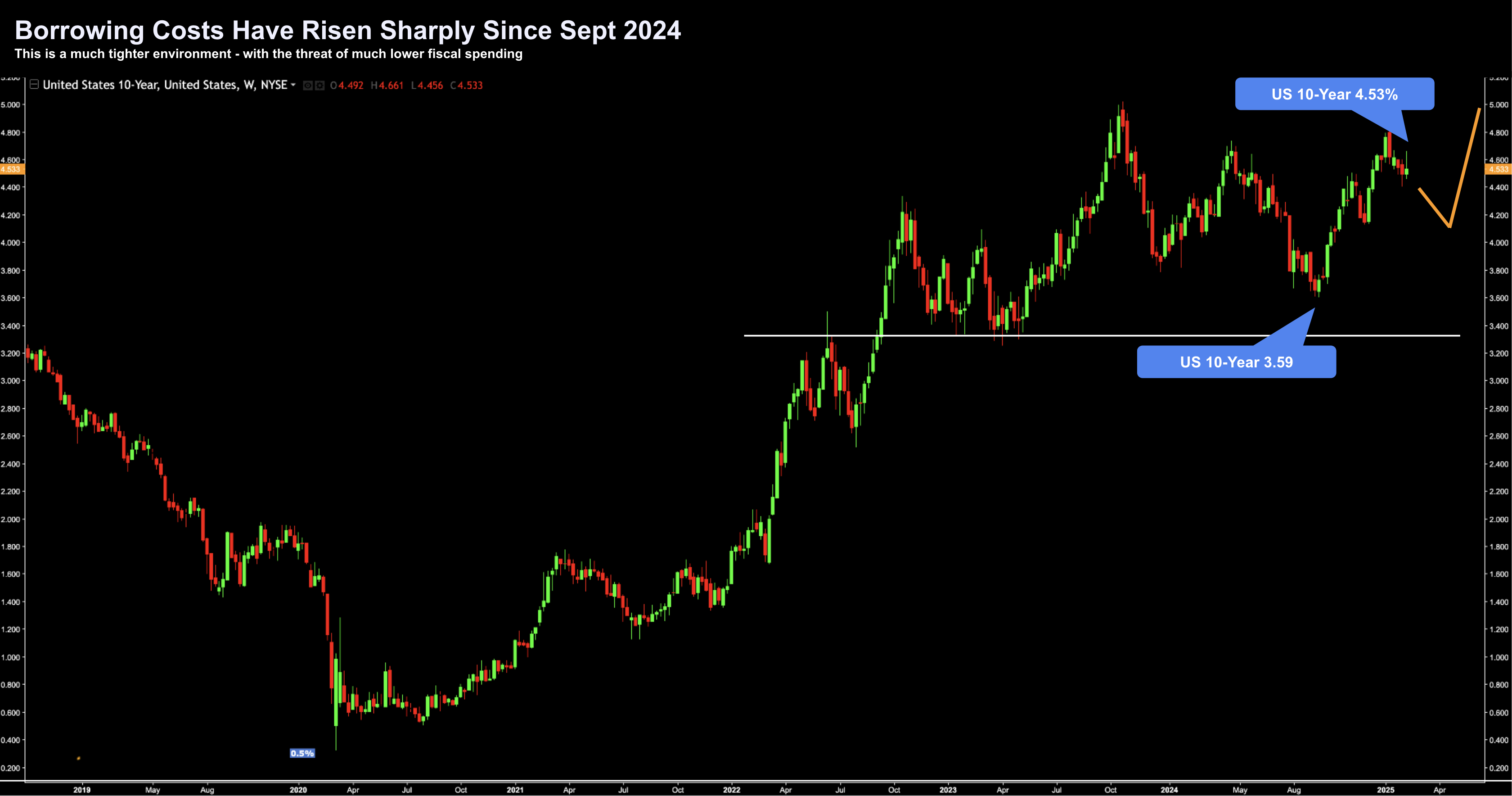
With 10-year yields trading around 4.50% (with the possibility to go higher) - why haven't equities sharply corrected? It's a good question. For e.g., on the surface, one might think equities would struggle given the zero risk premium investors are receiving. But that has not been the case. The stock market has withstood the sharp rise in bond yields (for now anyway). However, I believe there is a simple explanation. It's the amount of liquidity in the system. Liquidity is abundant - evidenced by the very low credit spreads in the market (participants see very little risk). Generally credit spreads widening are your first sign of trouble.

Ready for a ‘Growth Scare’?

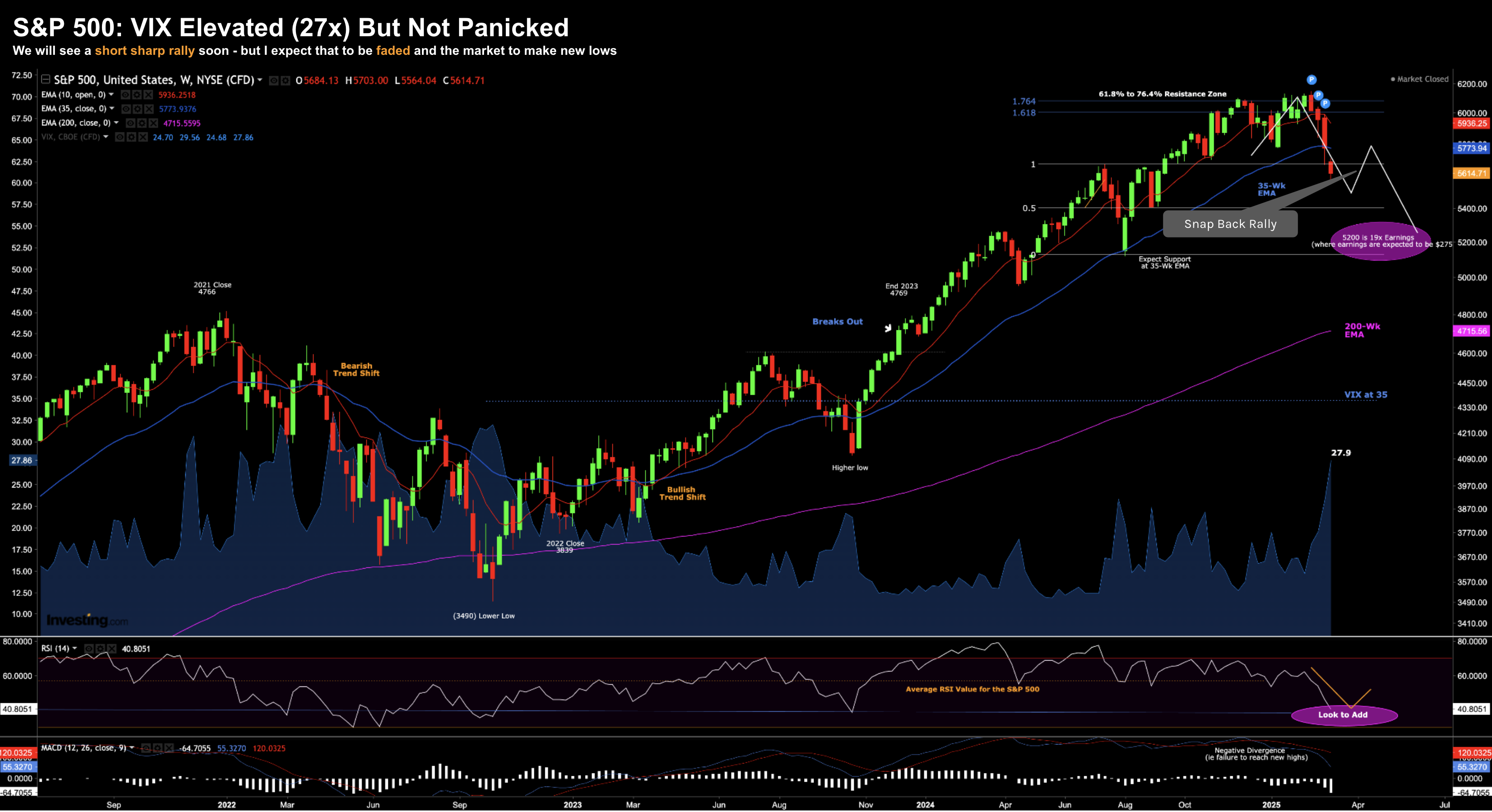
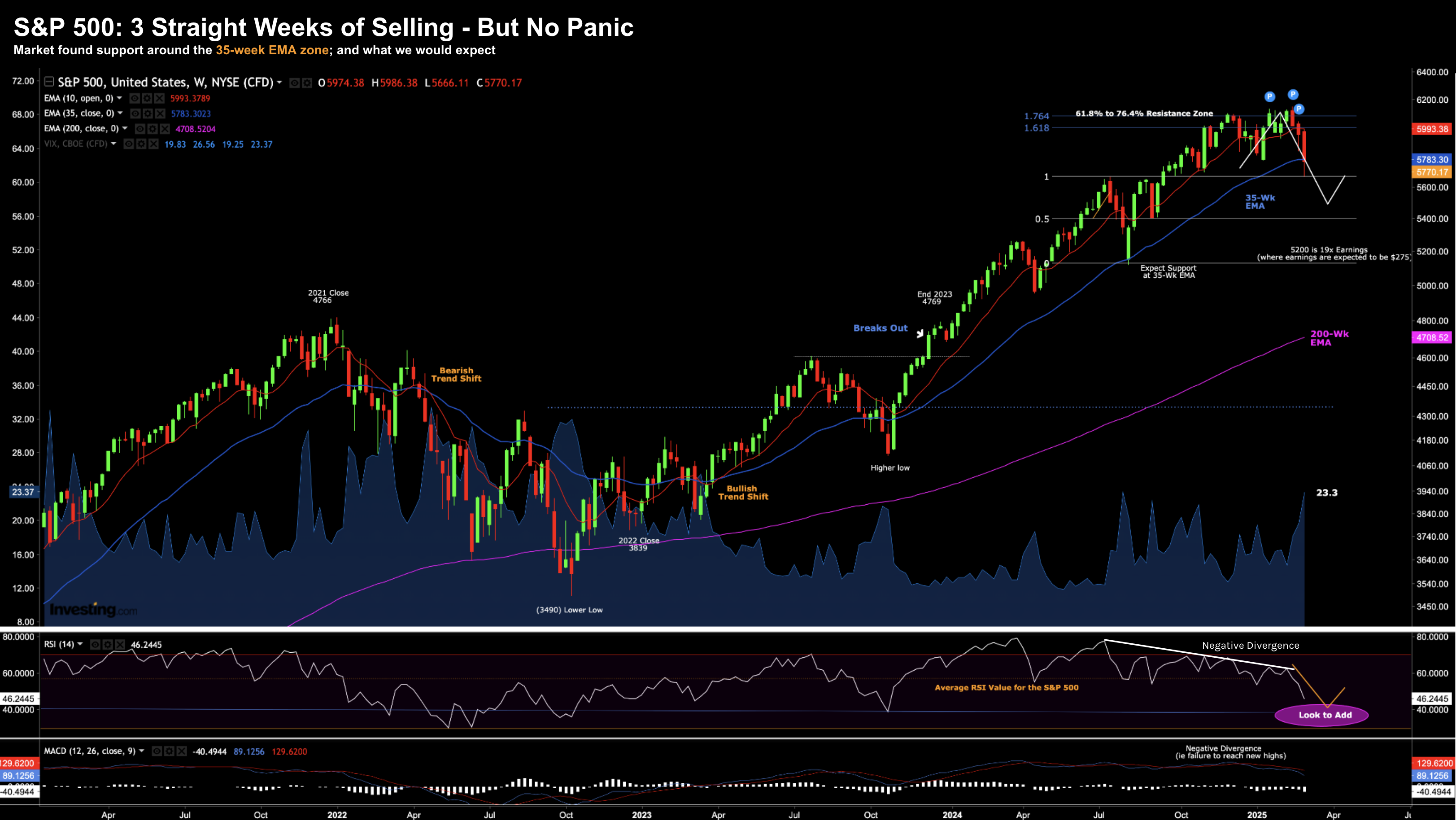
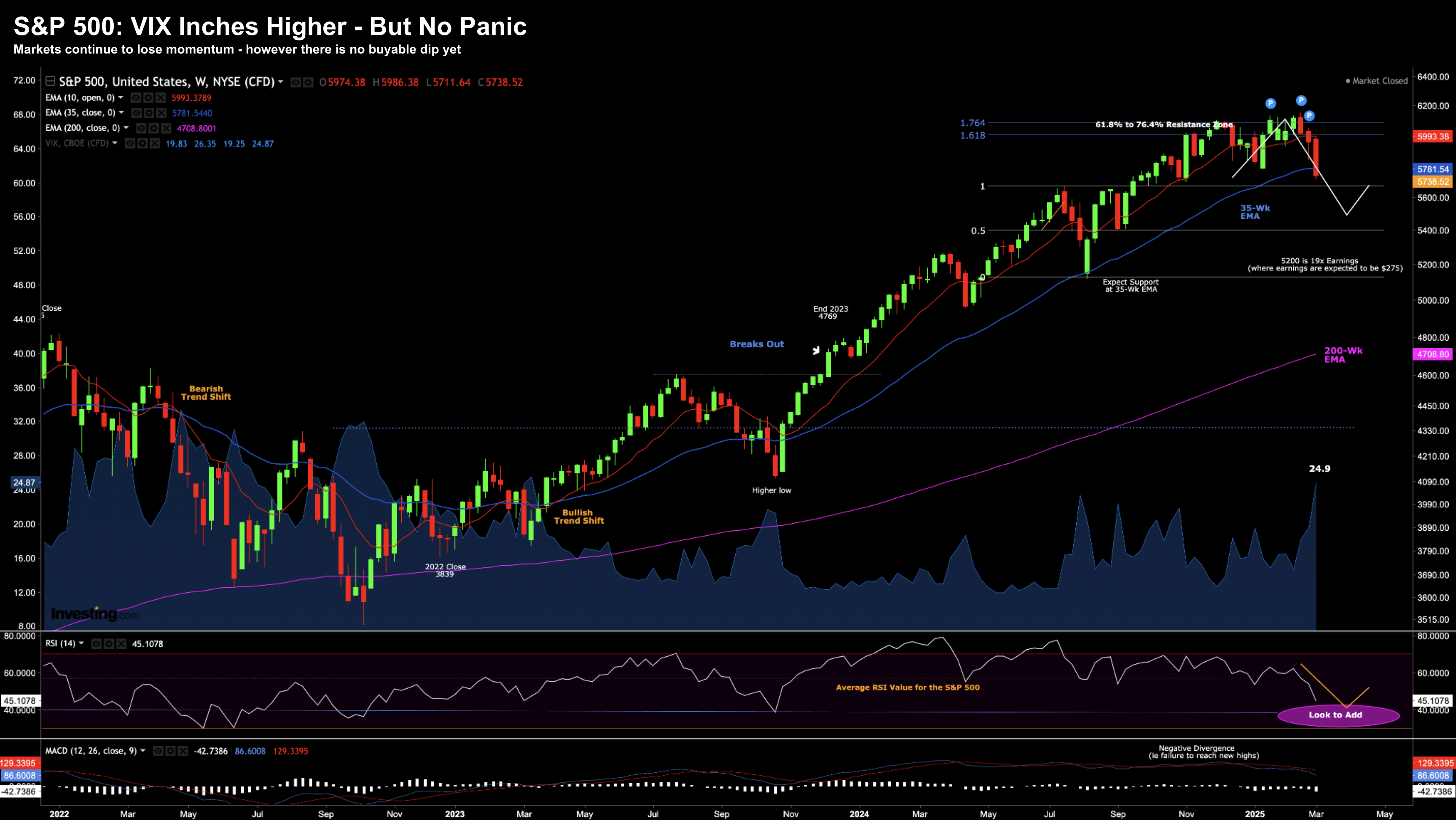
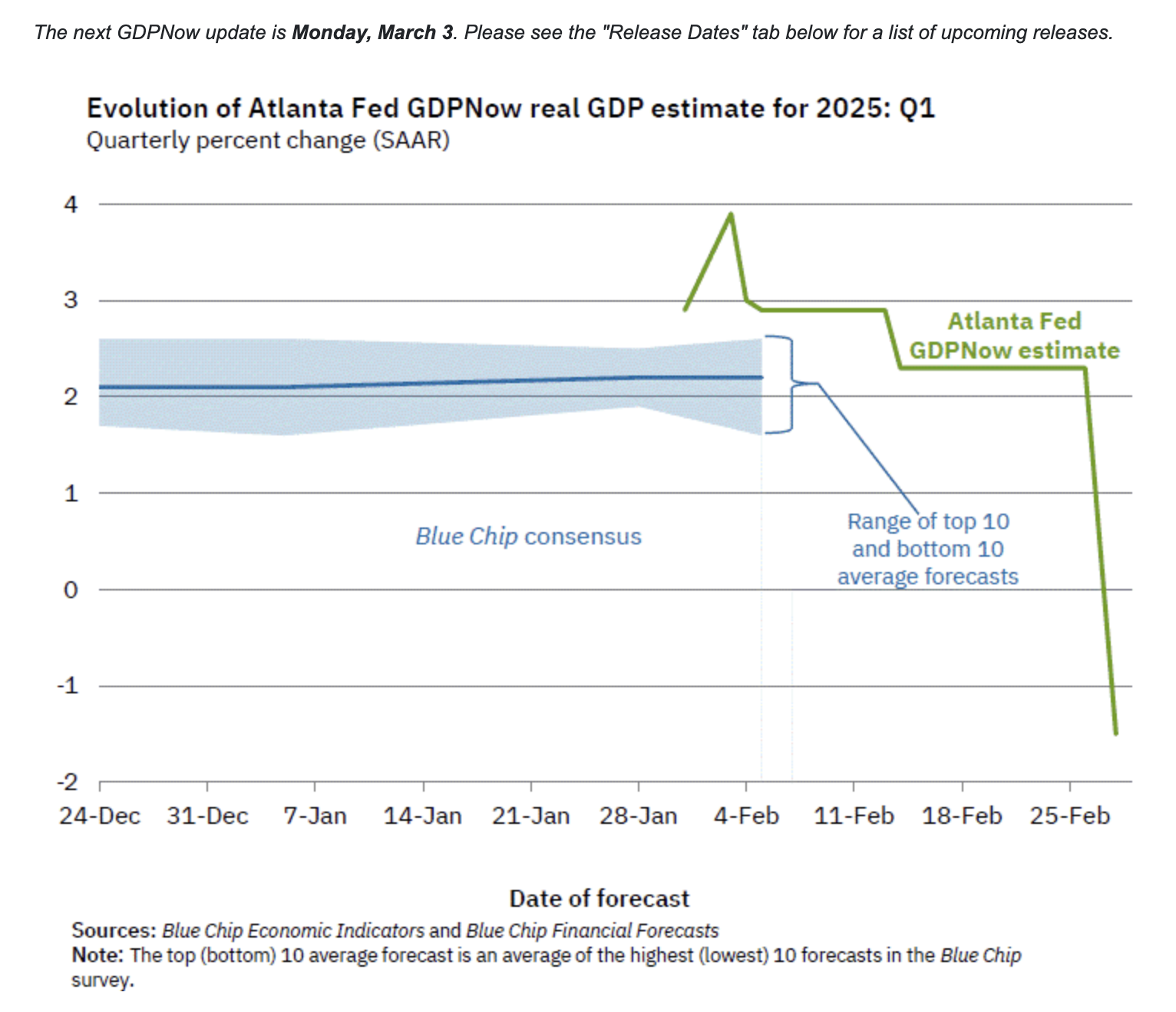
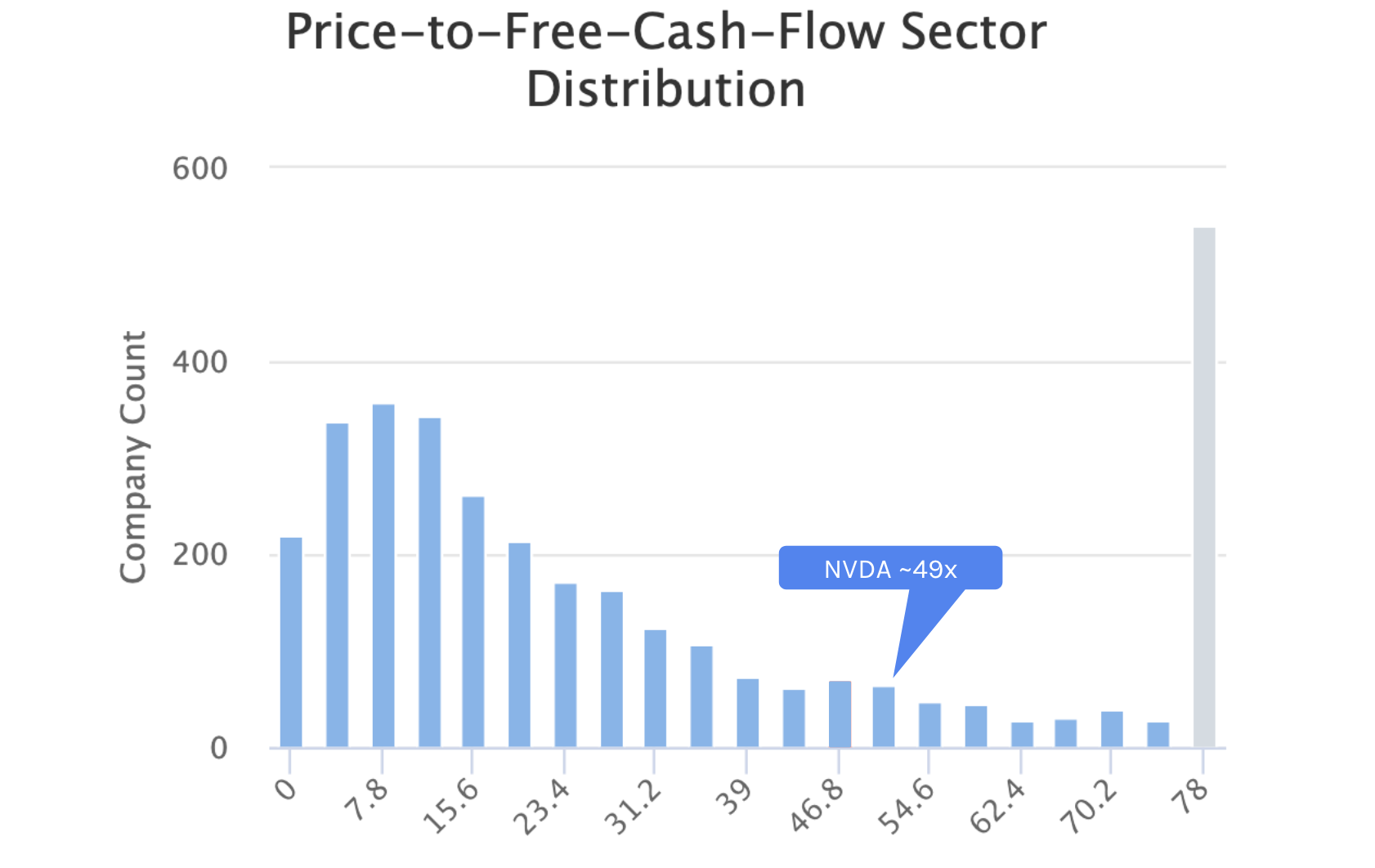
We started this year with the market pricing in only "good things". We had (a) the Fed ready to continue its easing cycle; (b) business friendly administration looking to cut taxes and lower regulation; and (c) the promise 'limitless' returns from AI. Investor expectations were very high - evidenced by the valuation multiples they were willing to pay (whether it was P/E; P/FCF; EV/EBIT etc). Traders were all leaning to one side of the boat. However, shares prices have lost all momentum the past 12+ weeks.

Markets Hedge as Momentum Wanes

As an investor - it's very important to know the rules. For example, if the rules are constantly influx - it leads to uncertainty. With heightened uncertainty - you pull back. That's what faces investors. For example, consider the following: (i) direction of monetary policy (e.g., as Powell raised concerns on inflation); (ii) A torrent of policy shifts from the White House; and (iii) major disruption with artificial intelligence - as investors question return on capital invested. Uncertainty in each of these buckets makes it hard to commit to stocks with conviction.

Bessent Wants a Lower 10-Yr Yield… But How?

The new US Treasury Secretary - Scott Bessent - is focused on the right goal. He wants a lower US 10-year yield. The former Hedge Fund manager knows how important a lower US 10-year treasury is to the growth of the economy (and the government). His direct language reflects a reality - as most people don't borrow at the short end (i.e., the rate set by the Fed)

Investor’s (Valid) Capex Concerns w/AI

Large-cap tech's planned capex for 2025 is worrying investors. What will be the return on that capital? Never before have these companies made such large bets. Before DeepSeek, it was assumed the tech giants - with their deep pockets and almost limitless resources - would enjoy a wide moat in the AI arena. And from there, that justified the high valuation multiples. Not now. DeepSeek’s arrival challenges those long held assumptions (and valuations).

Investors Starting to Question AI’s ROIC

AI investors were caught off guard this week on news of China's ChapGPT rival "DeepSeek". It's alleged DeepSeek was developed far more cost-effectively (millions vs billions) than OpenAI's ChatGPT (and similar large language models). If true (and we don't know) - this raises questions about the sustainability of current U.S. AI infrastructure investments - forecast to top $1 Trillion next year. All of a sudden - valuations for these AI stocks are being questioned.

Why Did Buffett Add to SiriusXM?

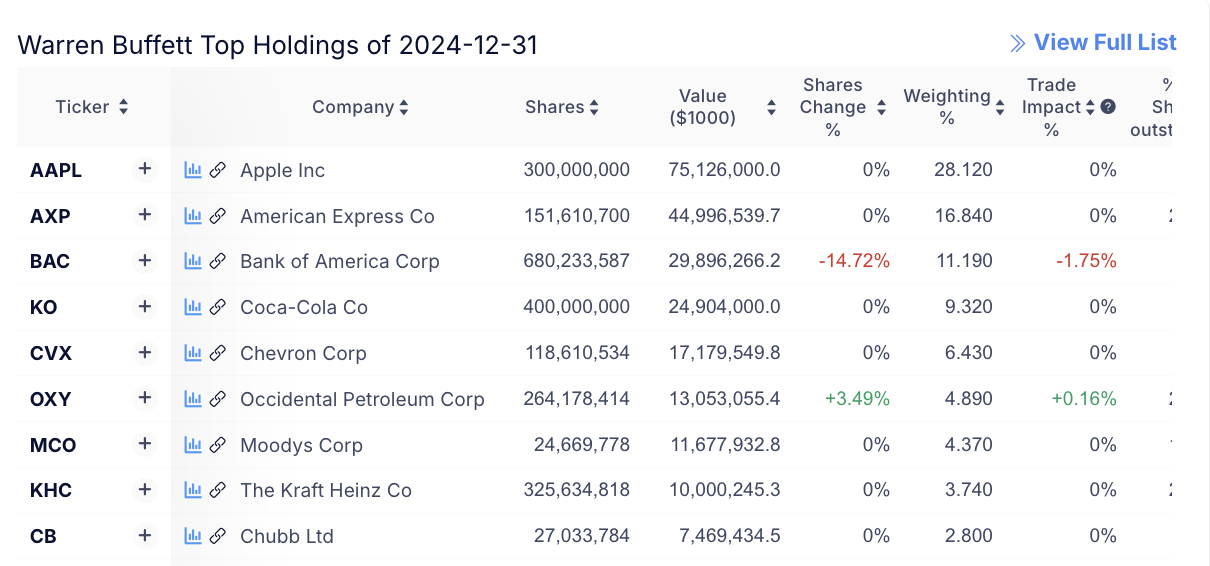
Recently Warren Buffett increased his stake in SiriusXM (SIRI) to over 32% of all available stock. However, with the company losing subscribers - where revenue and earnings in decline - why would the Oracle of Omaha increase his ownership? Two reasons: (a) first its return on invested capital and free cash flow; and (b) the value offered. This post explains both the quality and value arguments for Buffett choosing to increase his exposure to this unloved stock...

Simplifying Quality & Value

Charlie Munger once joked "all I want to know is where I’m going to die, so I’ll never go there.” Jokes aside - it's the same approach you should apply with investing. And it's not difficult to do. The math is very simple -- addition, subtraction, division and multiplication. If you have access to a calculator - you're all set. The challenge is mastering your emotions (and any self-defeating behaviors). A calculator (or AI) can't help you with that. This game is more EQ than it is IQ. Think of it as a test of your character versus your intellect. For e.g. - many highly intelligent people get investing wrong (e.g., due to emotions such as greed, fear or some inherent bias). This post talks about how we can simplify our approach to avoid taking excessive risks

Invert Your (Investing) Mindset

Charlie Munger once said "it is remarkable how much long-term advantage people like us have gotten by trying to be consistently not stupid, instead of trying to be very intelligent". There's a lot of wisdom to be gained in that quote. Now getting things wrong can be a good teacher if you're willing to learn from the experience. However they can also be very expensive. With respect to investing - our primary goal should be to eliminate (or meaningfully reduce) the possibility of making large costly mistakes. A large mistake can reduce our investable capital - impacting our returns for years to come. So how do we try to make fewer mistakes? There are two ways....

The Market’s Addiction

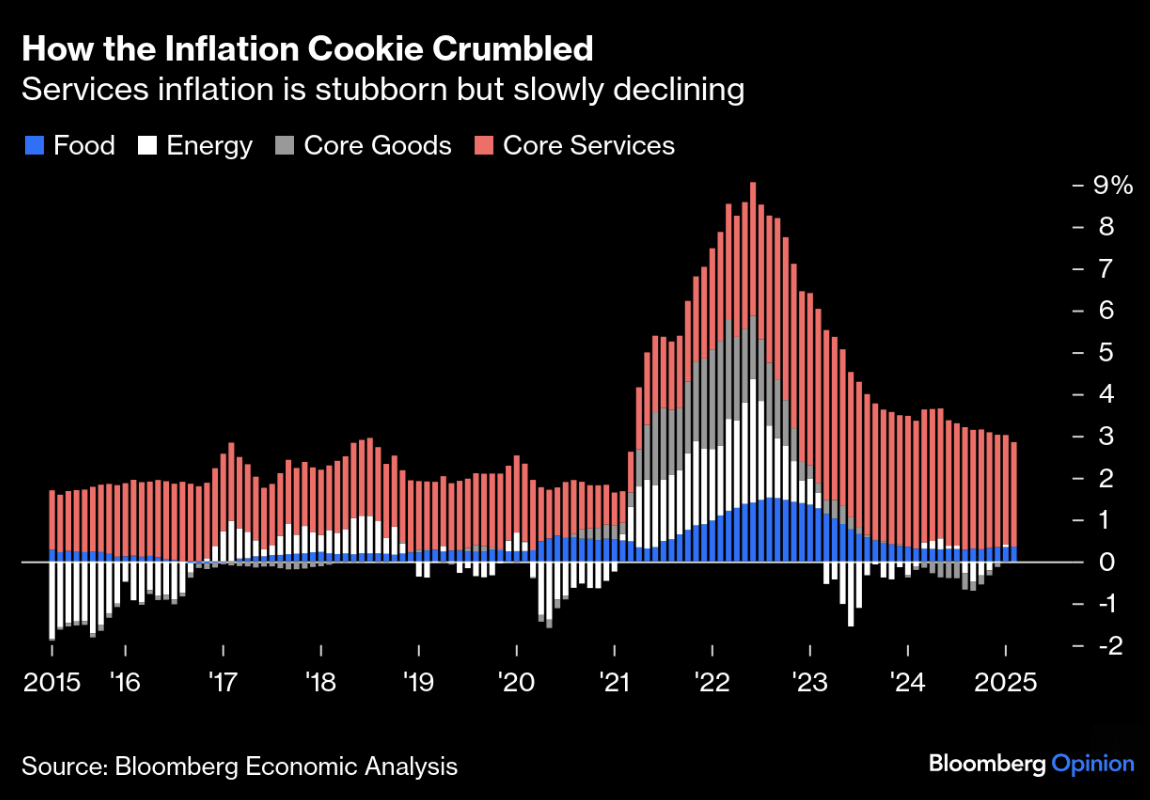
If you needed reminding the market remains closely tethered to monetary policy - we received it this week. Stocks surged on the back of two things: (i) CPI coming in slightly better than expectations; and (ii) the prospect of the Fed having more room to ease rates. Bond yields dropped and stocks jumped. There's nothing quite like the sniff of cheaper money to get the animal spirits moving. However, it's still far too premature to jump to conclusions.

A Bad Day for the Fed

A few months ago Jay Powell claimed victory. Last Sept he said words to the effect of "the time has come to start easing rates". He initially cut rates by 50 points - followed by two more cuts of 25 basis points. Markets were thrilled at the thought of more cheap money - pricing in as many as 6 or 7 rate cuts over the next 12 months. However, at the time I asked why the need to cut? The data simply didn't support it. Jobs were fine. The economy was growing. Inflation was not yet at its desired level. Why cut? However, whilst the Fed was busy running a victory lap - the bond market was less convinced. The US 10-year yield went the other direction -- and appears likely to retest 5.0% in the next few months. What does this do to valuations?