Category Psychology

Anatomy of a Supply Shock: Using Data Frameworks to Filter Market Noise Anatomy of a Supply Shock: Using Data Frameworks to Filter Market Noise

Anatomy of a Supply Shock: Using Data Frameworks to Filter Market Noise

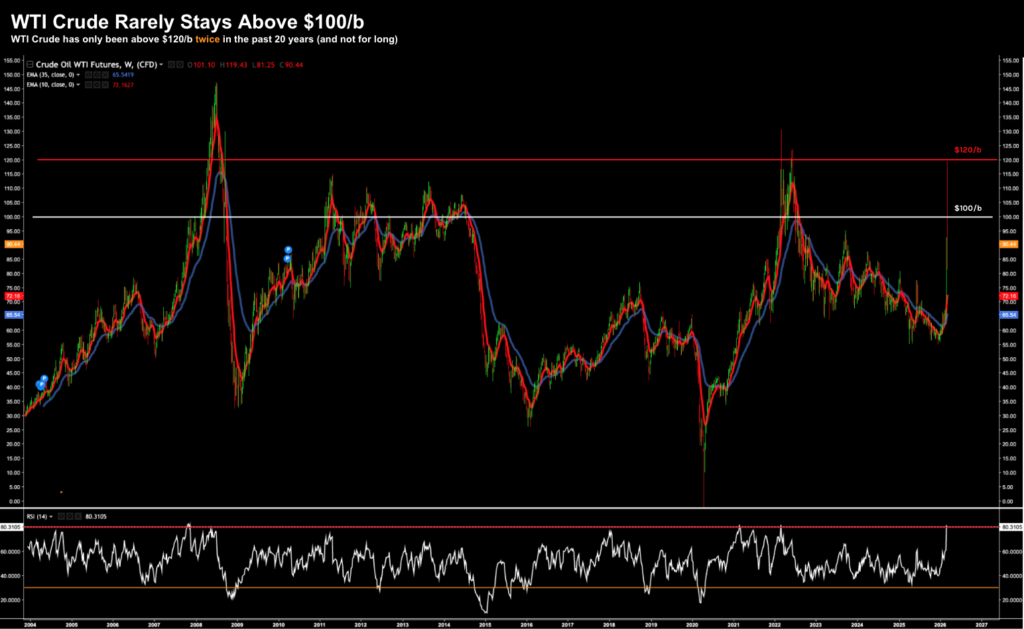
Frameworks to assess the impact of the war Lessons from the previous oil spikes Finding resilient capital in a stagflationary world In the world of macro investing, we often see years where less happens in the energy markets than what…
Private Credit vs 2008: The Hidden Risks of the Leverage Loop Private Credit vs 2008: The Hidden Risks of the Leverage Loop

Private Credit vs 2008: The Hidden Risks of the Leverage Loop

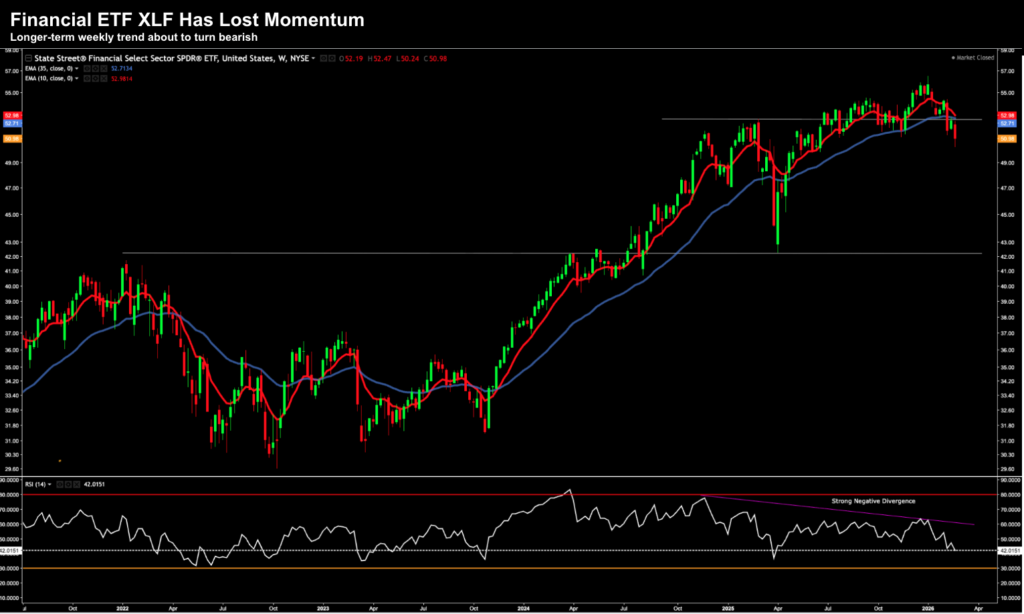
Private credit has grown into a $1.8 trillion market built on leverage loops, opaque valuations, and covenant-lite lending. With banks exposed via $300B in loans and AI disruption threatening cash flows, the real risk isn’t visible market losses — it’s hidden architecture that could transmit stress back into the financial system

Agentic AI and the Future of SaaS: Disruption vs. Structural Destruction Agentic AI and the Future of SaaS: Disruption vs. Structural Destruction

Agentic AI and the Future of SaaS: Disruption vs. Structural Destruction

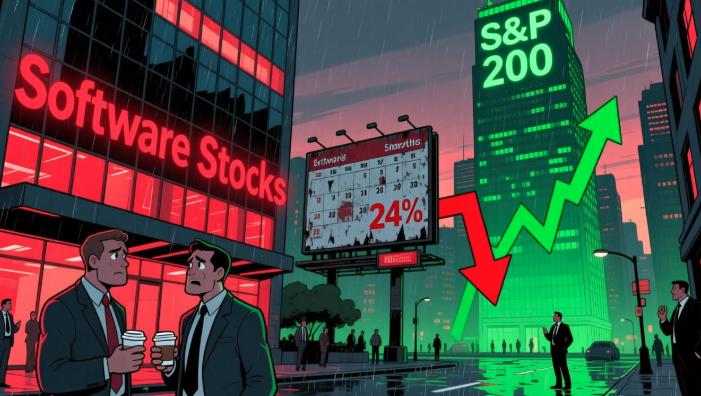
Markets weigh Agentic AI”s threat to traditional application layers. Will AI enhance existing workflows or structurally impair legacy SaaS business models? From blanket euphoria to strategic redistribution On the surface, you could be forgiven for thinking the S&P 500 looks…

The AI Adoption Gap: Applying the Toothbrush Test to Generative AI Valuations The AI Adoption Gap: Applying the Toothbrush Test to Generative AI Valuations

The AI Adoption Gap: Applying the Toothbrush Test to Generative AI Valuations

While AI remains undeniably impressive, its transition from a helpful assistant to a mission-critical necessity is facing a significant adoption gap. With daily active use remains thin, investors are beginning to question the durability of "asset-light" returns as capital expenditure soars into the hundreds of billions. This shift from software-driven scalability to hardware-heavy reinvestment suggests a major reassessment of valuations is underway, as markets weigh the probability of long-term value capture against extreme multiples.

Contrarian Investing: Using Sentiment Analysis as a Market Signal

The Ultimate Contrarian Signal

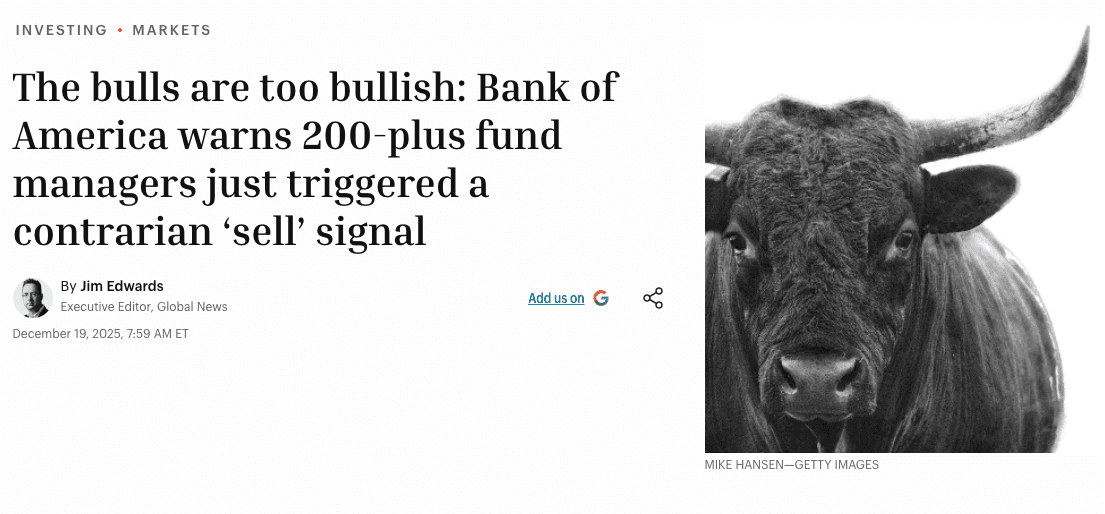
When the crowd leans one way, the boat is at risk of capsizing. With BofA’s Bull & Bear indicator triggering a contrarian "sell" signal and equity inflows hitting record highs, market participants are priced for a "Goldilocks" perfection that leaves zero margin of safety. While consensus bets on double-digit earnings growth and Fed cuts, a "Bear Steepener" in the yield curve suggests the bond vigilantes are revolting against a $1.6T deficit. If the US 10-year creeps higher, today’s 22x forward multiple faces a sharp reality check. I remain 65% long in quality, but patient for the correction.

The FOMO Trap: Why a 40x CAPE Ratio Guarantees a Decade of Lost Returns The FOMO Trap: Why a 40x CAPE Ratio Guarantees a Decade of Lost Returns

The FOMO Trap: Why a 40x CAPE Ratio Guarantees a Decade of Lost Returns

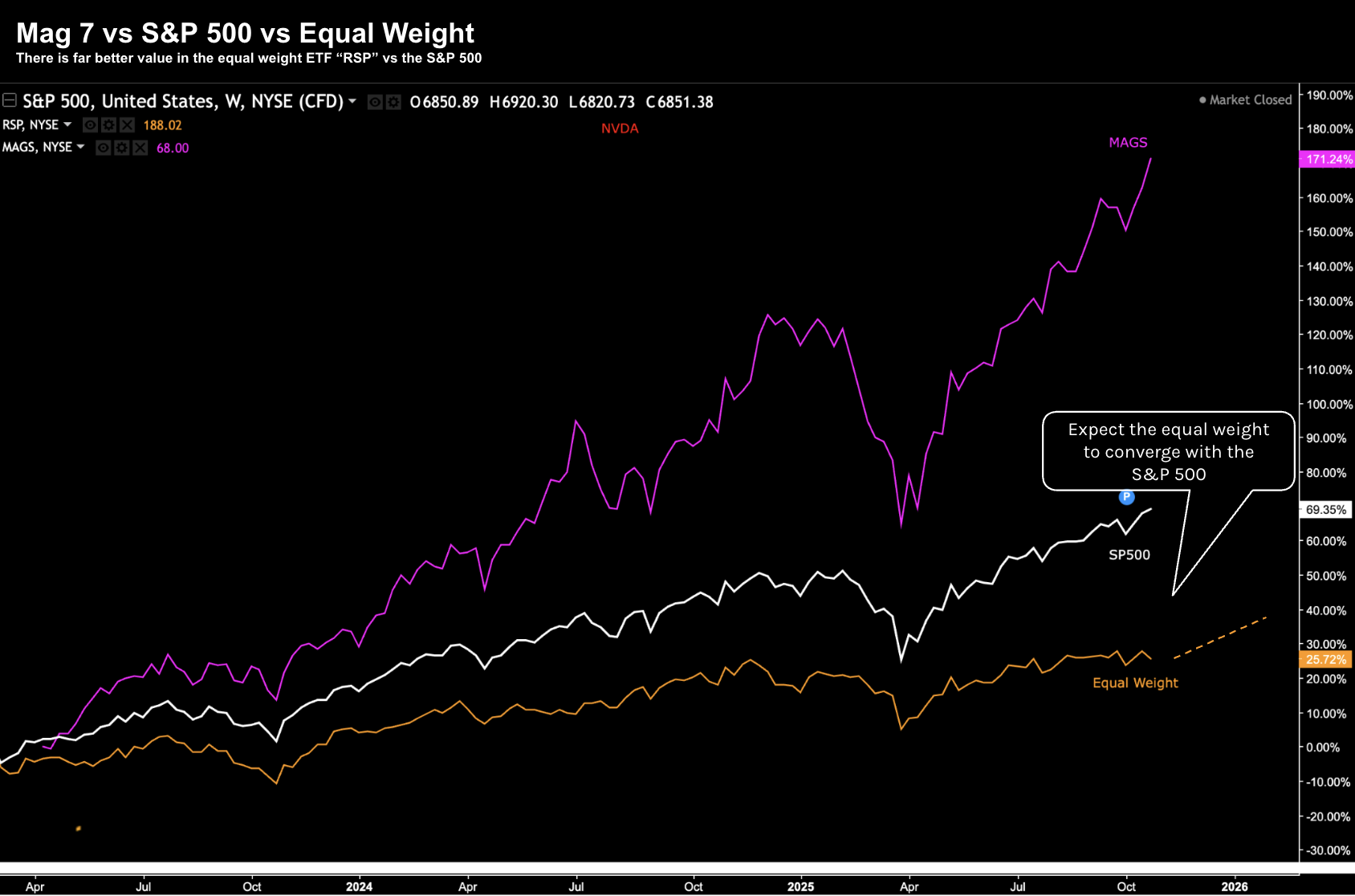
It’s very tempting to chase AI and "Mag 7" gains, but your long-term returns are ultimately determined by the price you pay. With the S&P 500 trading near 25x forward earnings and the Shiller CAPE ratio flashing warnings similar to the 2000 dot-com bubble, the market is lofty territory. History is clear: investing at such elevated valuations drastically lowers subsequent 5 and 25-year returns. While FOMO is powerful, be cautious. As a long-term investor, focus on the risk of what you could lose, not just what you might miss

The Preening Duck: Why Jay Powell and Warren Buffett are Wary of 23x Earnings The Preening Duck: Why Jay Powell and Warren Buffett are Wary of 23x Earnings

The Preening Duck: Why Jay Powell and Warren Buffett are Wary of 23x Earnings

The current market presents a stark contradiction: stocks are high, but the Fed is entering an easing cycle. As billionaire David Tepper notes, he's "constructive on stocks" due to cheapening money but "miserable" because valuations are sky-high. Warren Buffett mirrors this caution, holding a record high of over $344 billion in cash. This balance reflects the core tension: stocks can easily run higher on investor optimism, yet the consensus is that forward earnings multiples are dangerously stretched. Like Buffett in 1969 and 1997, savvy long-term investors are prioritizing capital preservation, maintaining some exposure while waiting for the inevitable mean reversion to bring prices back down to a prudent level.

INVESTCON 5: Trimming Growth and the Calculus of Value INVESTCON 5: Trimming Growth and the Calculus of Value

INVESTCON 5: Trimming Growth and the Calculus of Value

Howard Marks reminds us, true success lies in understanding the critical difference between price and value. Price is what you pay for an asset—a number driven by market sentiment, optimism, and fear. Value, on the other hand, is what you get—an asset's inherent worth based on its ability to generate future cash flows. While markets may act as a voting machine in the short term, pushing prices to extremes, they behave like a weighing machine over the long run, eventually reflecting true value. By focusing on value over price, investors can avoid costly mistakes.

The Patience Paradox: Why ‘Buy and Hold’ Fails at 23x Earnings The Patience Paradox: Why ‘Buy and Hold’ Fails at 23x Earnings

The Patience Paradox: Why ‘Buy and Hold’ Fails at 23x Earnings

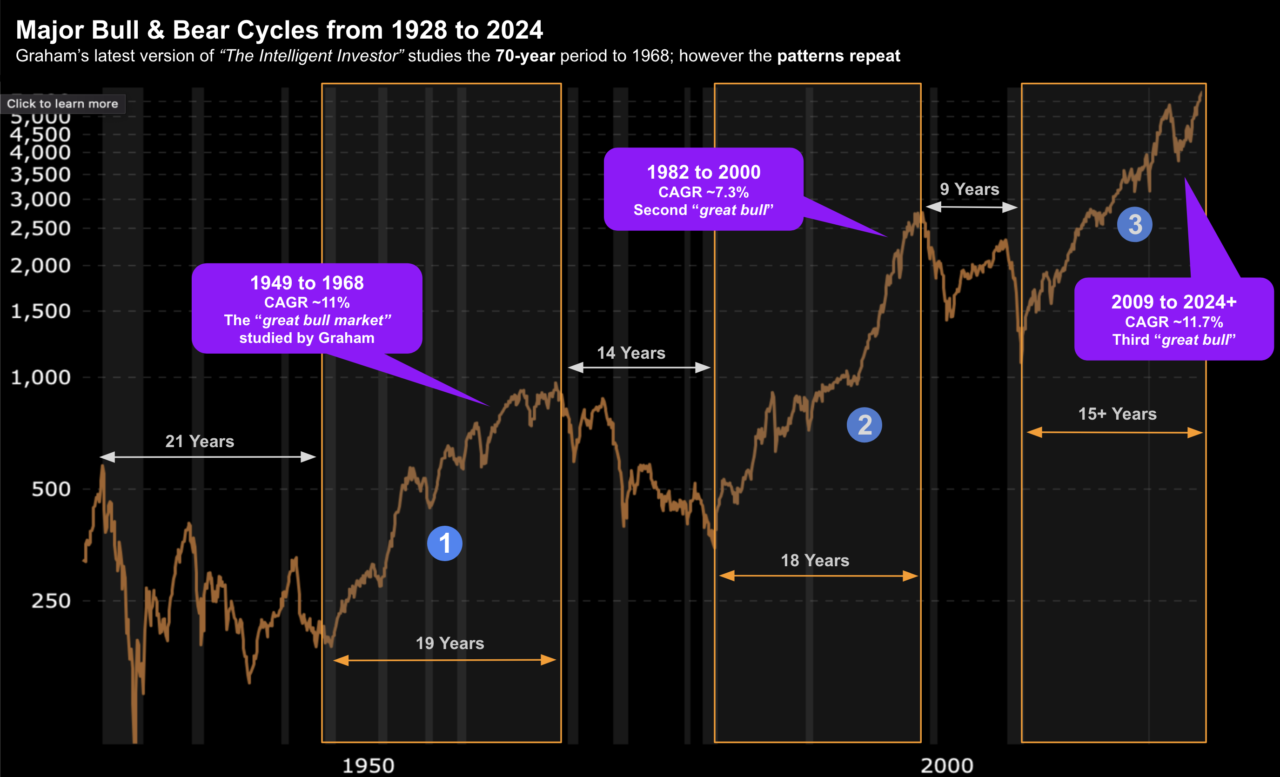
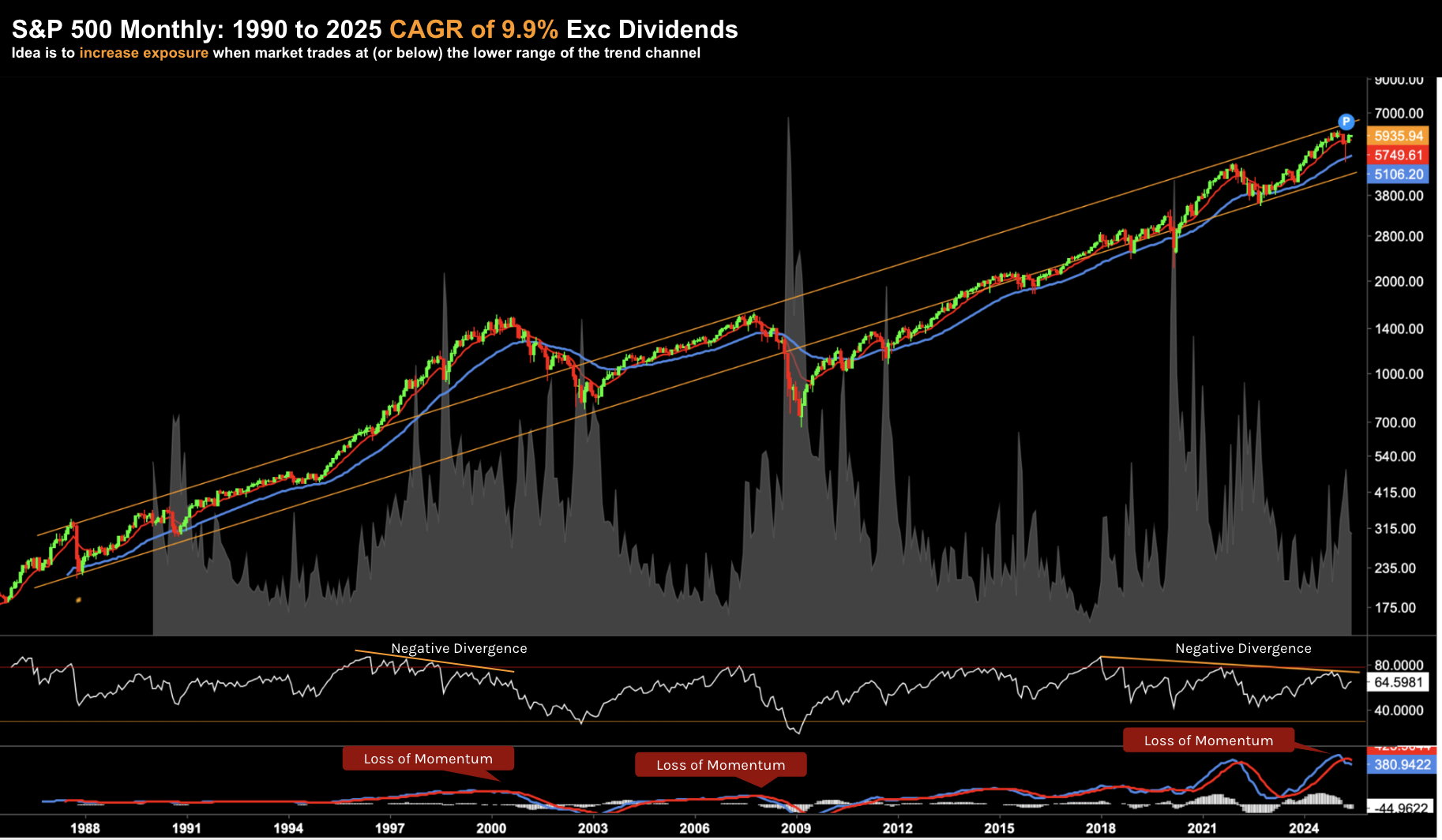
Over the past ~40+ years - the S&P 500 Index has returned an average of ~9.3% annually exc. dividends (i.e., 171.6 Jan 1985 to 5,979.5 Jan 2025). If we limit that to the past decade (from 2015) - that avg annual return increases to 11.4% (excluding dividends). But what matters most is (a) the price you pay; and (b) when you get out. Sitting tight for 10 years does not guarantee a 10% return...

The Patience Paradox: Why ‘Buy and Hold’ Fails at 23x Earnings The TACO Trap: Why the S&P 500 Mean Reversion and the 5% Bond Yield are the Real ‘Sell in May’

The Patience Paradox: Why ‘Buy and Hold’ Fails at 23x Earnings

The market is betting Trump is all bluster and no action. The acronym "Trump Always Chickens Out" (TACO) is sure to piss the President off. Now, if the TACO trade is right, then Trump's threats will lose their power as a negotiating tactic. Therefore, on the assumption Trump believes in protectionism - he may have to follow through on some of his rhetoric. Markets seem to think that won't happen...