Category Investing Lessons

The Ultimate Contrarian Signal

The Ultimate Contrarian Signal

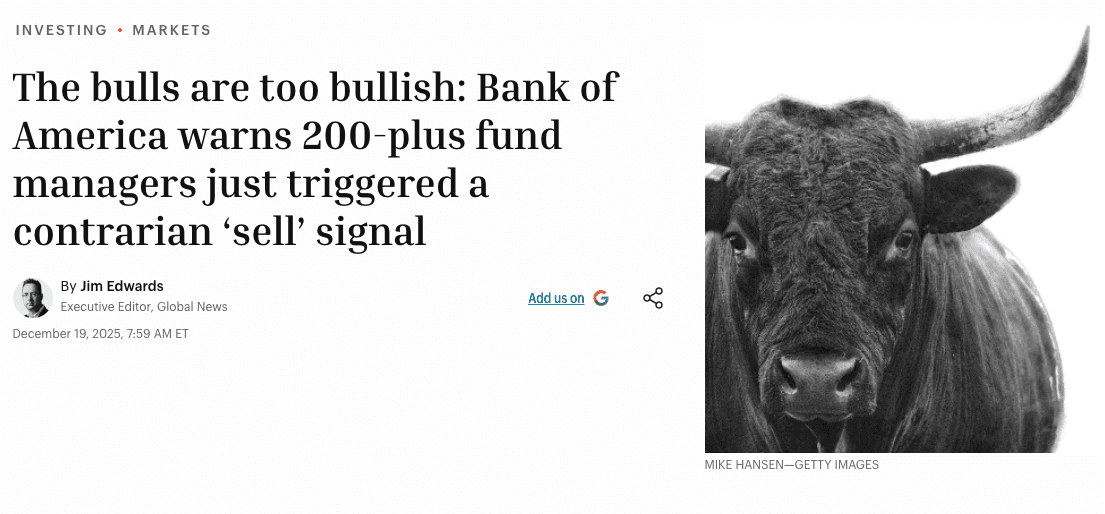
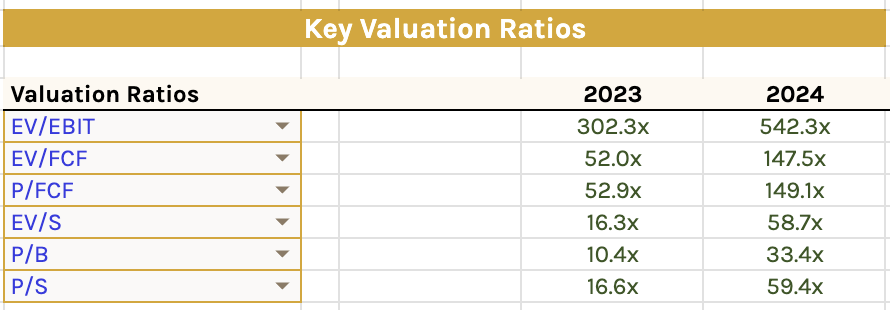
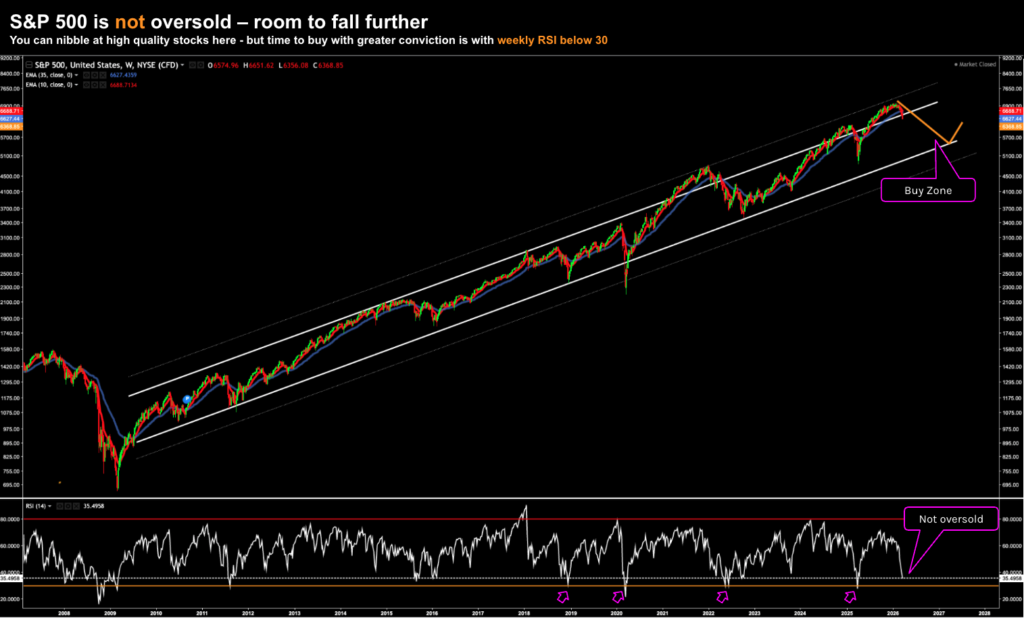
When the crowd leans one way, the boat is at risk of capsizing. With BofA’s Bull & Bear indicator triggering a contrarian "sell" signal and equity inflows hitting record highs, market participants are priced for a "Goldilocks" perfection that leaves zero margin of safety. While consensus bets on double-digit earnings growth and Fed cuts, a "Bear Steepener" in the yield curve suggests the bond vigilantes are revolting against a $1.6T deficit. If the US 10-year creeps higher, today’s 22x forward multiple faces a sharp reality check. I remain 65% long in quality, but patient for the correction.

Are We in an AI Bubble? 

Investor enthusiasm for AI is reminiscent of the Internet boom circa 1995. Having worked at Google, I've seen AI's profound impact firsthand, from computer vision to self-driving Waymo vehicles that have achieved 10M rides. But as an investor, the focus must shift to economics: business models, monetization, and valuation. Billionaires like David Einhorn are sounding the alarm: spending hundreds of billions on AI infrastructure may lead to massive capital destruction if CapEx vastly exceeds consumption. History shows that while the technology transforms society, an oversupply creates painful market corrections. The question isn't if AI is the future—it's what price you pay for it.

Jay Powell: “Stocks are Overvalued”

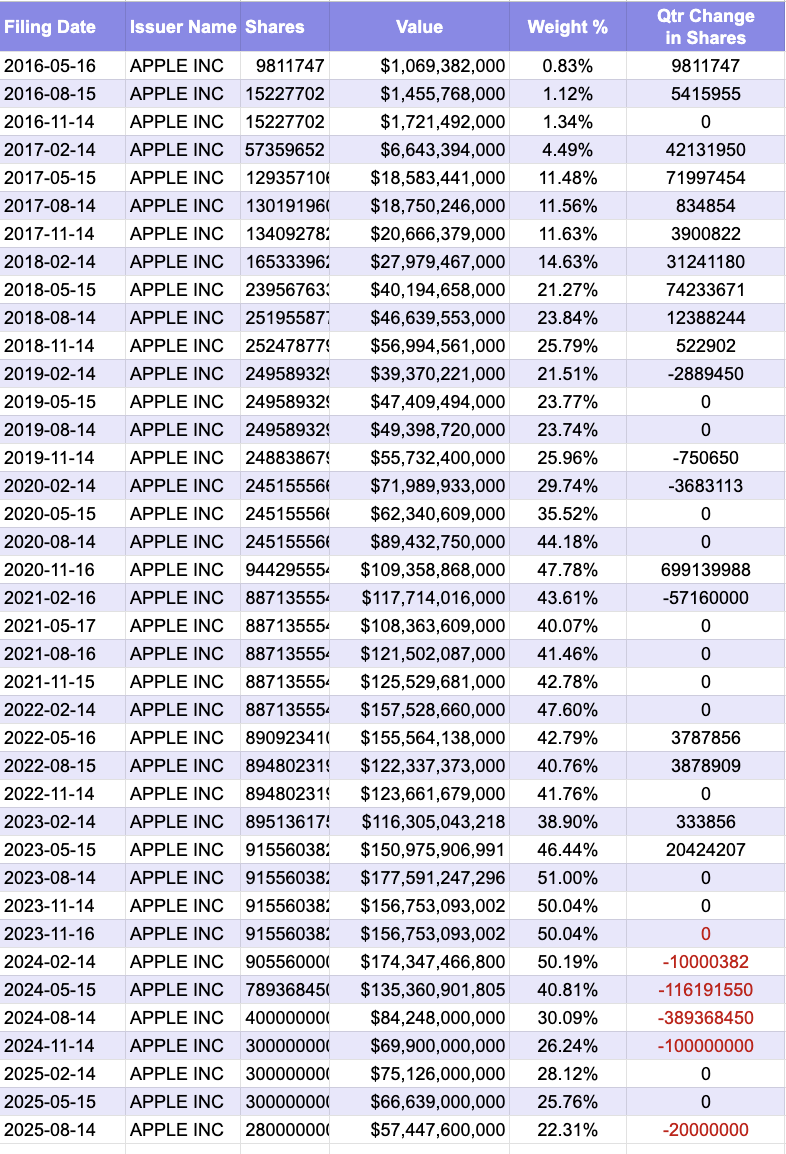
The current market presents a stark contradiction: stocks are high, but the Fed is entering an easing cycle. As billionaire David Tepper notes, he's "constructive on stocks" due to cheapening money but "miserable" because valuations are sky-high. Warren Buffett mirrors this caution, holding a record high of over $344 billion in cash. This balance reflects the core tension: stocks can easily run higher on investor optimism, yet the consensus is that forward earnings multiples are dangerously stretched. Like Buffett in 1969 and 1997, savvy long-term investors are prioritizing capital preservation, maintaining some exposure while waiting for the inevitable mean reversion to bring prices back down to a prudent level.

How Buffett Thinks About Selling

Selling stocks is harder than buying them. Drawing on lessons from Warren Buffett - investors should sell for four key reasons: (i) when a stock is overvalued relative to bonds, making bonds a more profitable option; (ii) when a superior investment opportunity emerges, though you should be careful not to "sell flowers to buy weeds."; (iii) when the business fundamentals change, and its competitive advantage is at risk; or (iv) When a predetermined price target is met.

Free Cash Flow: Your Best Bet for 10x Returns

A new Feb 2025 study, The Alchemy of Multi-bagger Stocks, challenges conventional investing wisdom. Analyzing 464 companies with 10x-plus returns, the research found that factors like revenue and earnings growth were irrelevant. Instead, the strongest predictor was free cash flow yield, proving that a company's ability to generate cash is more important than its reported profits. The study also highlighted the importance of small size, cheap valuations, and contrarian timing—buying stocks near their lows rather than joining the crowd. This research offers a powerful new framework for finding truly exceptional investment opportunities

‘INVESTCON 5’ – Trim Growth and Get Defensive

Howard Marks reminds us, true success lies in understanding the critical difference between price and value. Price is what you pay for an asset—a number driven by market sentiment, optimism, and fear. Value, on the other hand, is what you get—an asset's inherent worth based on its ability to generate future cash flows. While markets may act as a voting machine in the short term, pushing prices to extremes, they behave like a weighing machine over the long run, eventually reflecting true value. By focusing on value over price, investors can avoid costly mistakes.

Patience Alone Doesn’t Get it Done

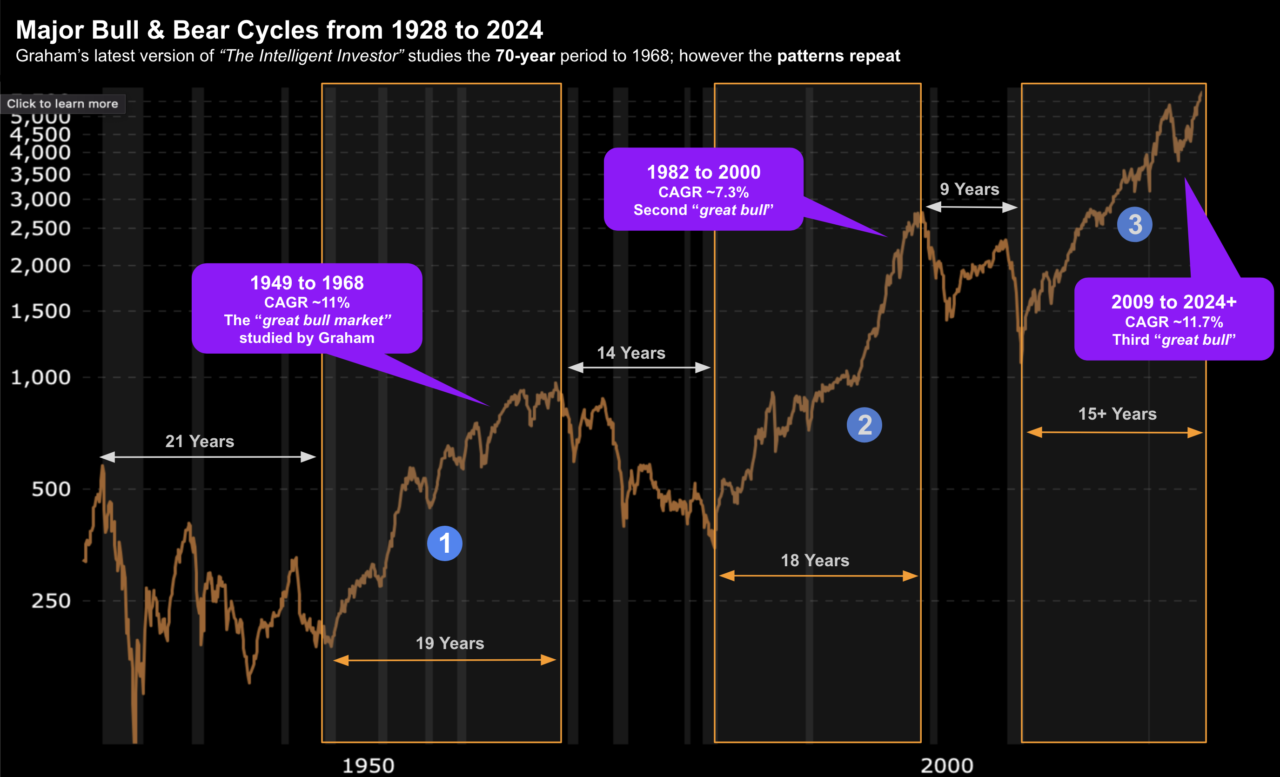
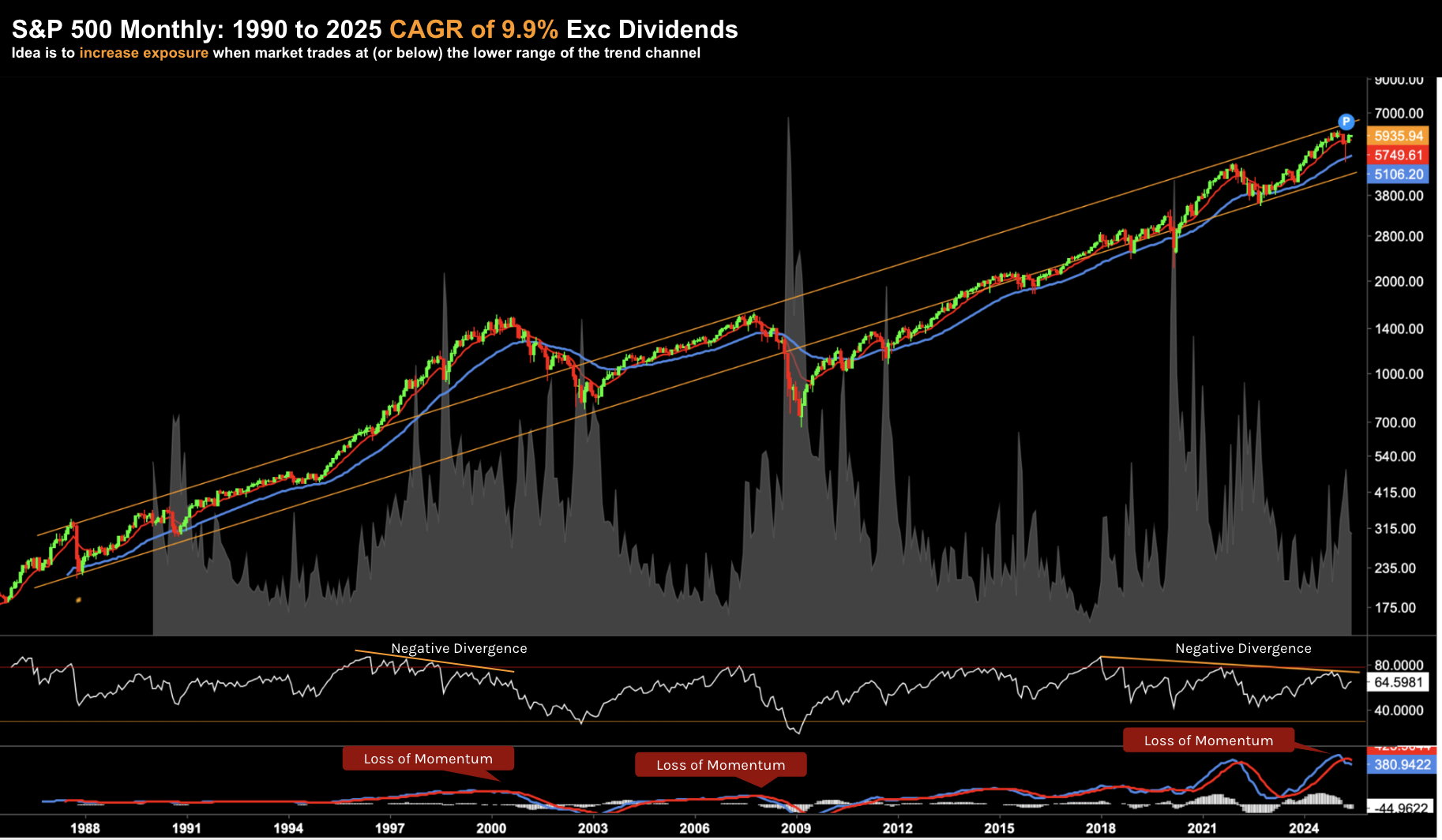
Over the past ~40+ years - the S&P 500 Index has returned an average of ~9.3% annually exc. dividends (i.e., 171.6 Jan 1985 to 5,979.5 Jan 2025). If we limit that to the past decade (from 2015) - that avg annual return increases to 11.4% (excluding dividends). But what matters most is (a) the price you pay; and (b) when you get out. Sitting tight for 10 years does not guarantee a 10% return...

How to Know When Markets are Panicky

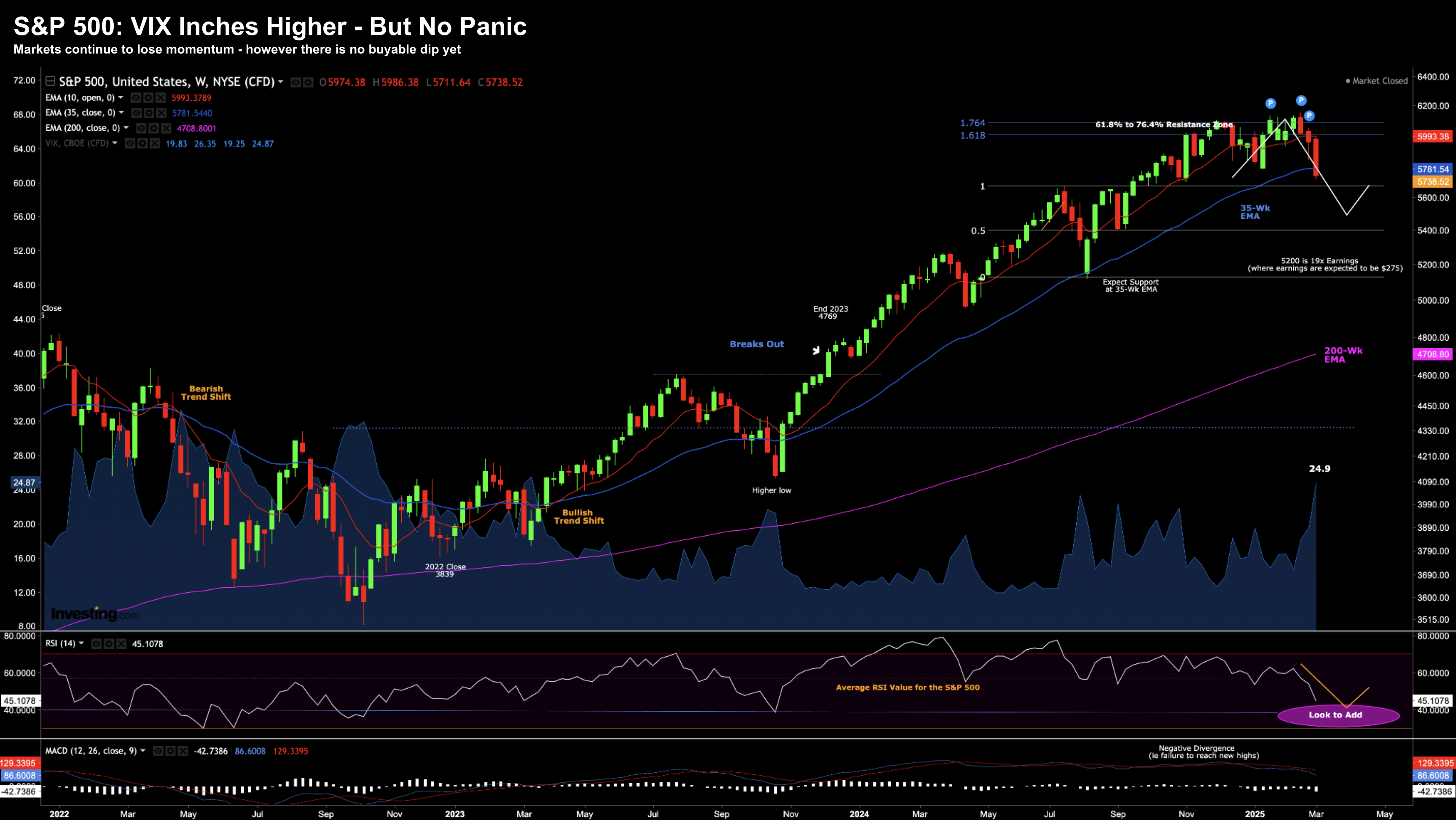
Are markets panicking? That depends on who you ask. A short-term trader might see the ~6% move lower as significant. On the other hand, those who invest for longer-term (such as myself) see a ~6% move down as nothing at all. From mine, panic isn't here yet. However, there is a measure which can help us identify when markets are overly fearful. And generally - they are great buying opportunities. But we are not there yet.

How Buffett Built a $1.1 Trillion Cash Machine

How Buffett Built a .1 Trillion Cash Machine

Whilst market's fret about slowing growth ("Ready for a Growth Scare?") - Warren Buffett sits back with a smile. His company - Berkshire Hathaway - rallied to fresh record high this week after the company reported a record high quarterly profit. Its market value is now over $1.1 Trillion. So how did Buffett build this incredible cash machine? I'll outline three (basic) reasons... all of which you can emulate.

Buffett: “Often, Nothing looks Compelling”

Saturday Feb 22nd was circled on my calendar. It was the day Warren Buffett shared his annual shareholder letter. If you want to become a better long-term investor - it's worthwhile reading every one of his 59 letters (from 1965). With respect to valuations he offered this: “We are impartial in our choice of equity vehicles, investing in either variety based upon where we can best deploy your (and my family’s) savings. Often, nothing looks compelling; very infrequently we find ourselves 'knee-deep' in opportunities.”