Category Investing Lessons

Inflation x Rates = Uncertainty

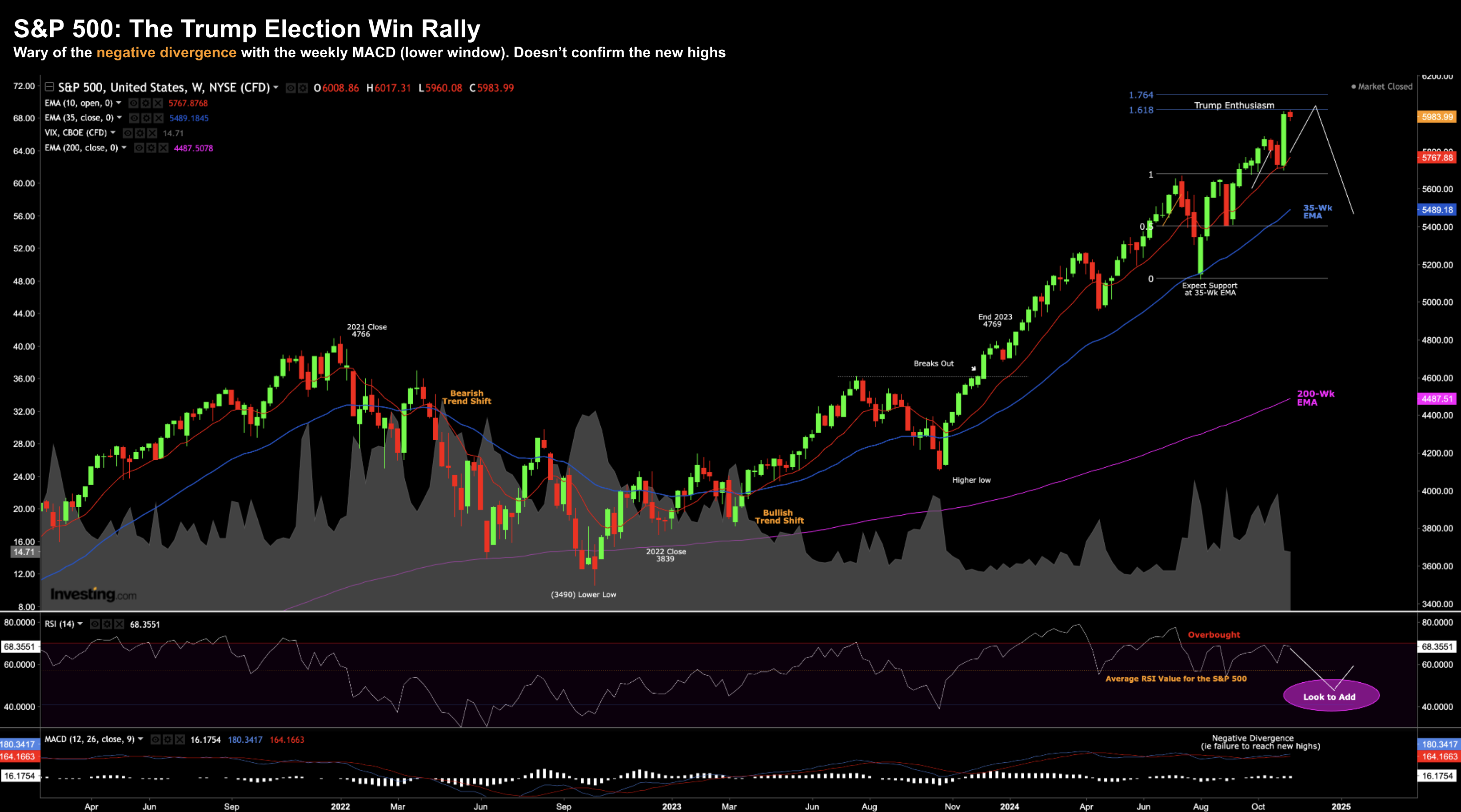
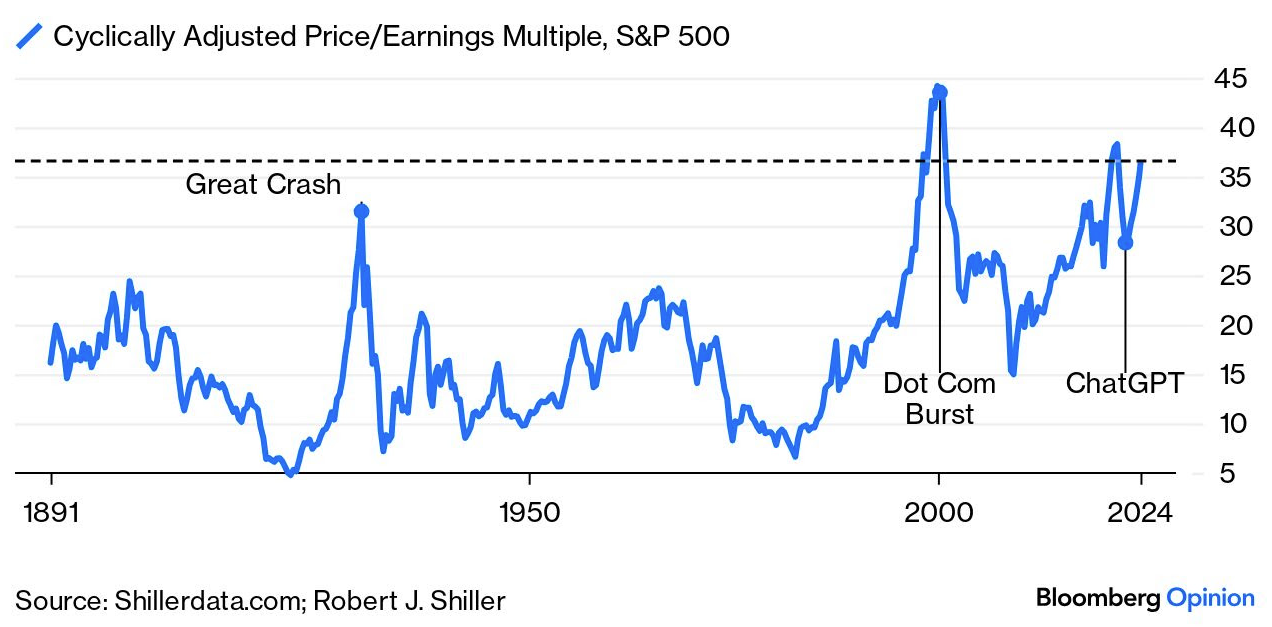
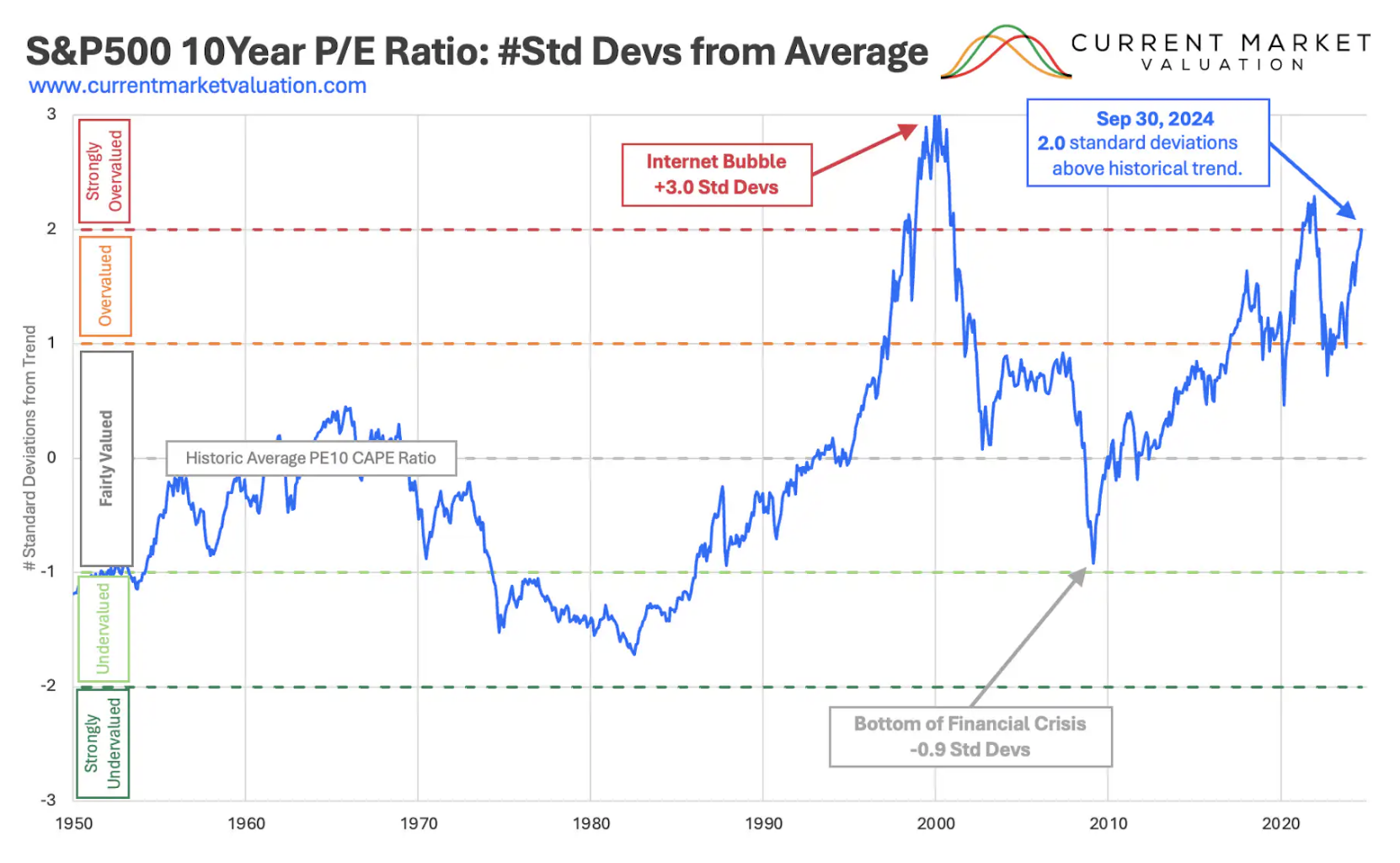
The stock market could not be more optimistic. And perhaps not since the dot.com bubble of 1999 - have investors been so sure of the future. Excited by a business friendly government coming to power; lower inflation; consumers continuing to spend - what's not to like? I can think of one thing.... valuations. If buying stocks today - you're paying through the nose. And for me - that increases your risk.

Munger on Intelligent Investing

With markets at record highs - trading at very high valuations - I felt it was timely to revisit investing lessons from Charlie Munger. Sadly, Charlie passed away late last year - just shy of his 100th birthday. Whilst Charlie was an incredible investor - what I loved most was his ability to draw insights from many disciplines - which included the study of psychology, economics, physics, biology, history, architecture among other things. This enabled Charlie to develop a lattice of “mental models” to cut through difficult problems. Over the years, I've found Charlie's insights into investing, business and life not only rare but generally correct. What's more, they stand the test of time.

Tobin’s Q-Ratio Trades at Historical Highs

By just about any intrinsic measure - the stock market looks expensive. Ben Graham would be warning investors to heed caution. Now one of the more widely cited metrics is its forward price-to-earnings (PE) ratio - which trades at a very high 22x. However, another intrinsic measure is James Tobin's Q-Ratio - which now trades at a record high - exceeding that of the dot.com bust. And whilst not a great timing tool - it maintains a very reliable record of picking long-term secular highs.

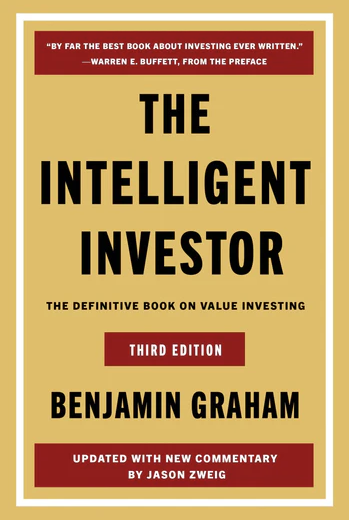
Benjamin Graham’s ‘The Intelligent Investor’

Over the 14 years writing this blog - I've mentored many people on how to become a better investor. It's something I enjoy and a large part of why I've written this blog for so long. As part of that, one of the (many) books I highly recommend is Benjamin Graham's timeless classic "The Intelligent Investor". Unfortunately this is not a great book for those beginning their investing career. It's very dense and requires a lot of time and focus. I had the idea to write a 20-part summary of the book -- where each part corresponds to a chapter. And where practical - I produced up-to-date examples of his principles - simply to illustrate that nothing changes. And whilst someone will always say "it's different this time" - the truth is very rarely is it different.

Time to be Greedy or Fearful?

Warren Buffett is famous for saying "be fearful when others are greedy; and be greedy when they are fearful". Today the Oracle of Omaha sits on a record $325B in cash - a record for Buffett - and over 30% of his entire portfolio. Investor enthusiasm today is wildly optimistic about future growth and earnings post the election result. And whilst surging prices are a sign of confidence - markets are also notoriously fickle...

Why Buffett’s Mentor Would Reduce Risk

I've been re-reading "The Intelligent Investor" by Benjamin Graham. Warren Buffett called it "by far the best book on investing ever written" - crediting Graham with laying the foundation for his entire investment philosophy. The book taught me three powerful lessons: (1) above all else, investing is about protecting your capital; (2) investors should strive to pursue adequate and sustainable gains; and (3) it requires overcoming self-defeating behaviors (e.g., fear, greed and bias). The lessons could not be more timely given today's excessive valuations.

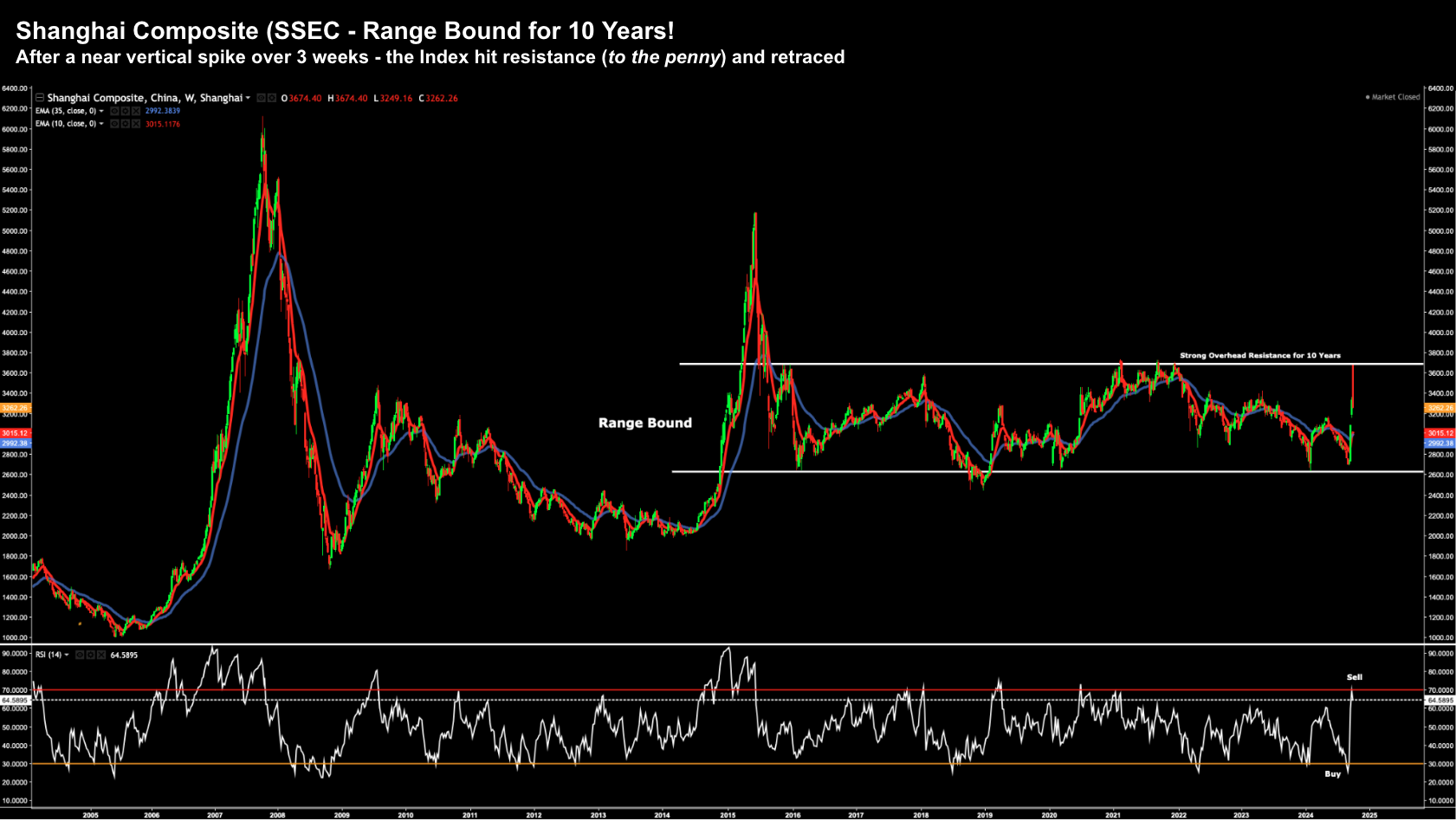
Are Chinese Stocks ‘Investable’?

The recent rally of over 25% in Chinese was something we've not seen in over a decade. Beijing’s 'stimulus blitz' excited both institutional and retail investors alike. As context, China has struggled with deflationary pressures due to a prolonged real estate downturn and weakening domestic consumer confidence. In addition, a slew of economic data in recent months has missed expectations, raising worries the world’s second largest economy may not achieve its 5% full year growth target. The question is can the central government turn things around with more stimulus? I doubt it....

Growth Defies Fear

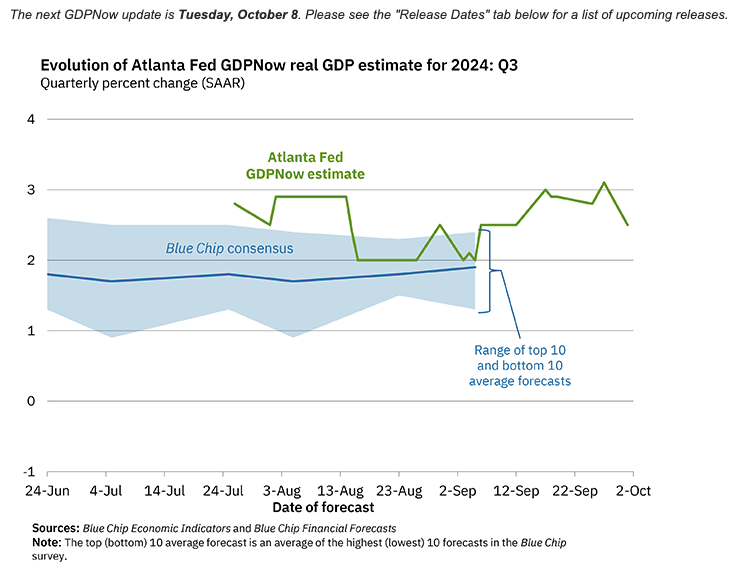
In my experience - growth ultimately defies fear. And whilst stocks will always climb the wall of worry - over time - growth prevails. The challenge for investors is the pathway is rarely in a straight line. Put another way, markets are constantly in a tug-of-war between opposing forces. Consider what we see today... we have a surprisingly robust US economy, defying expectations of a slowdown. Tailwinds include Fed easing, disinflation and a consumer which continues to spend. The counterforce to the further growth are escalating geopolitical tensions in the Middle East - which threaten to disrupt the global economic order

A Time of Transition

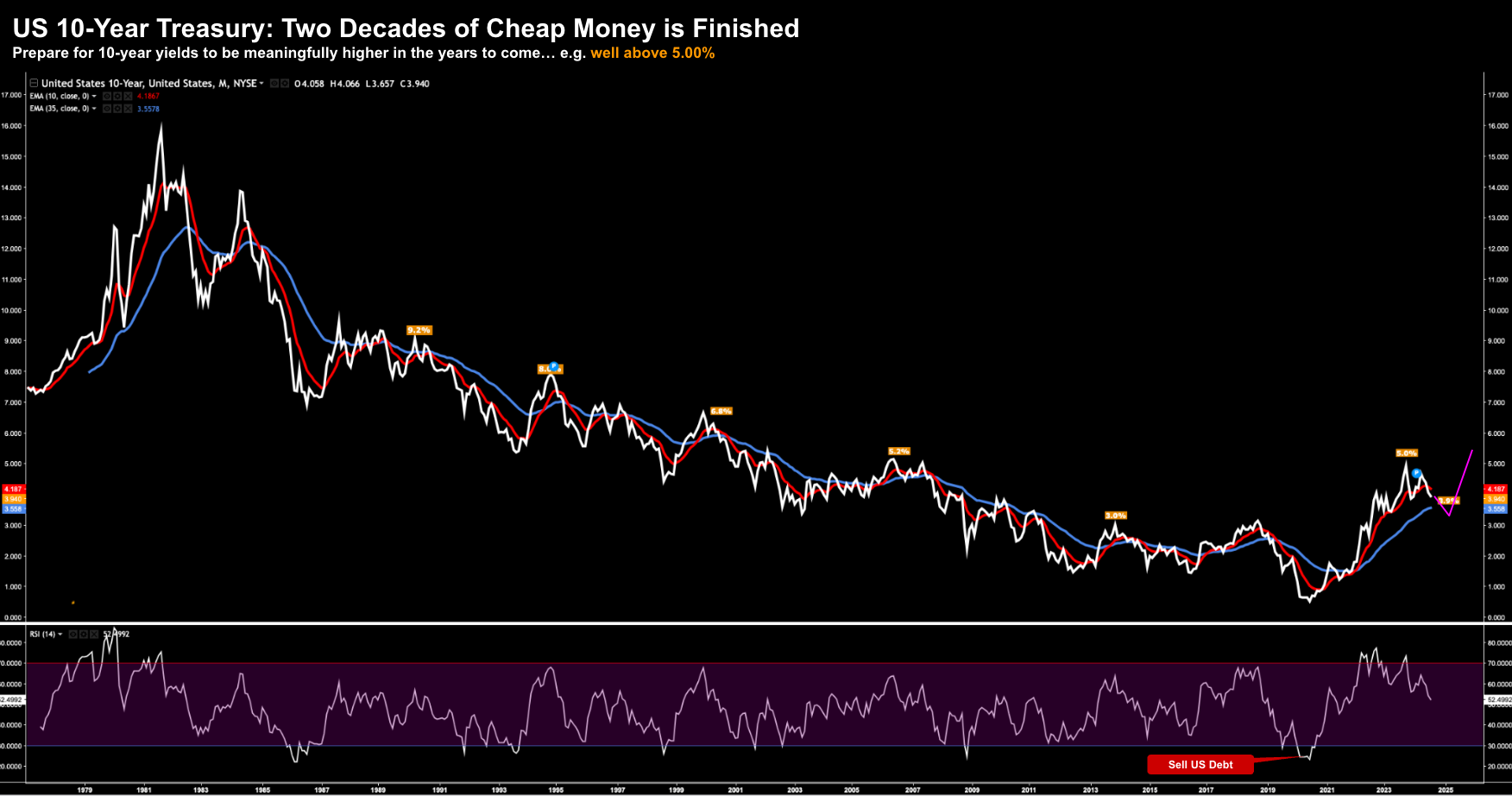
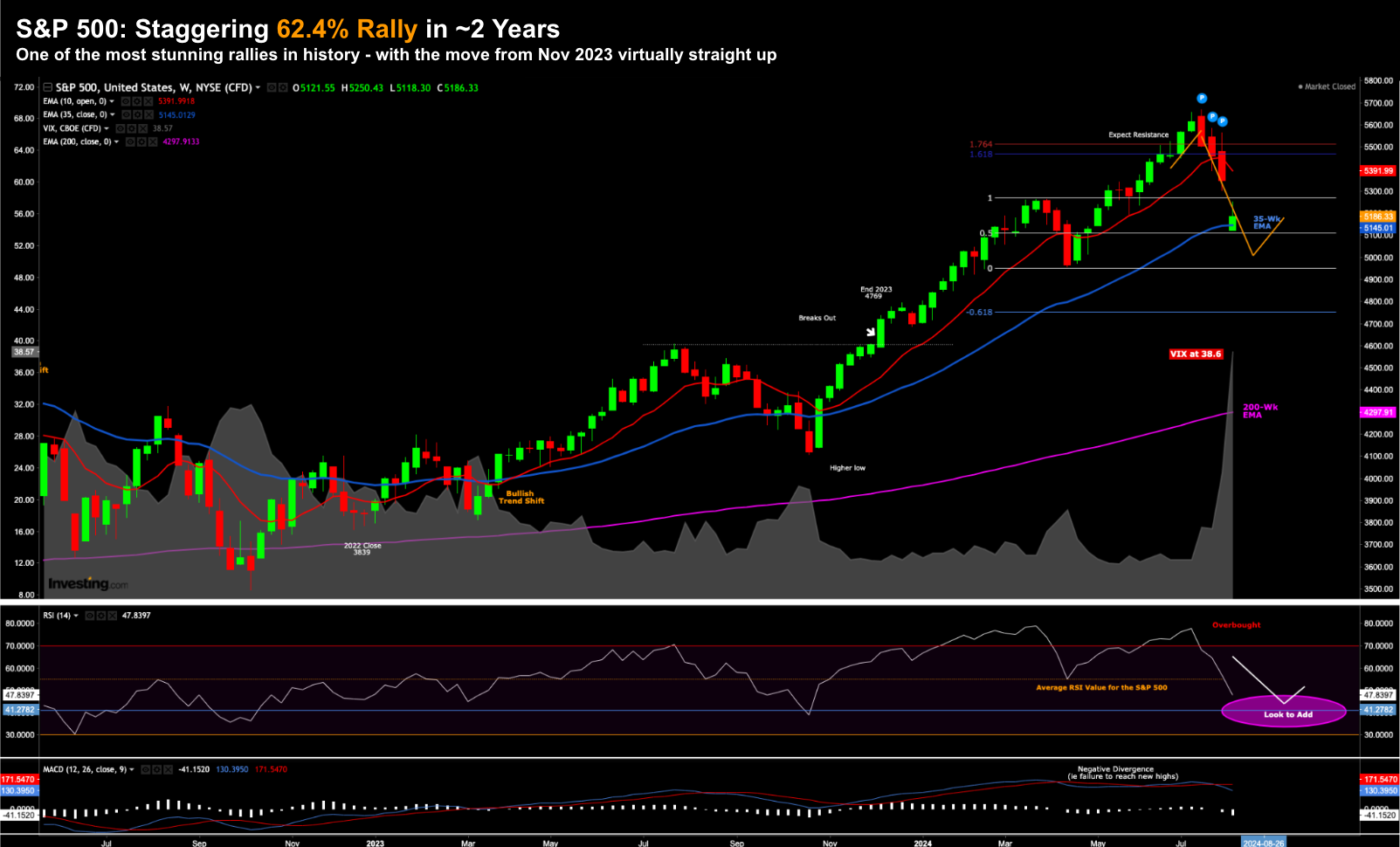
Think of a time when you worked through major transition in your life. For example, maybe it was the end of a relationship; a deep loss; changing your career; starting a family; or relocating for work. Generally during times of meaningful transition there is a period of adjustment and uncertainty. And sometimes, the change will come with volatility. From mine, it's possible the market's wild behavior this week is representative of one in transition. However, it's still early. Volatility in stock markets are typically associated with meaningful turning points... this posts explore more about what's happening below the surface; and why I think the 20-year era of cheap money is drawing to an end.

Fear & Greed

Wall St. is driven by just two emotions: fear and greed. Pending on the degree to which you succumb to these emotions - it will have a profound impact on your bottom line. All too often, most investors will do two things: (i) buy when there is market greed; and (ii) sell when there is fear. It's the opposite of what you should do. However, this is something you need to master if you are to be successful in the game of asset speculation.