Category Investing Lessons

4 Ways to Invest in Bonds

If you've been following my posts the past few weeks - I've suggested it's a good time to start increasing your exposure to bonds. As part of these missives - I've also had many reader emails asking me how? This missive will offer you a guide on some of the simple ways you can increase your exposure to fixed income. But let me offer a caveat... bonds are not risk free (nothing is)
Bifurcated Markets Usually End the Same Way

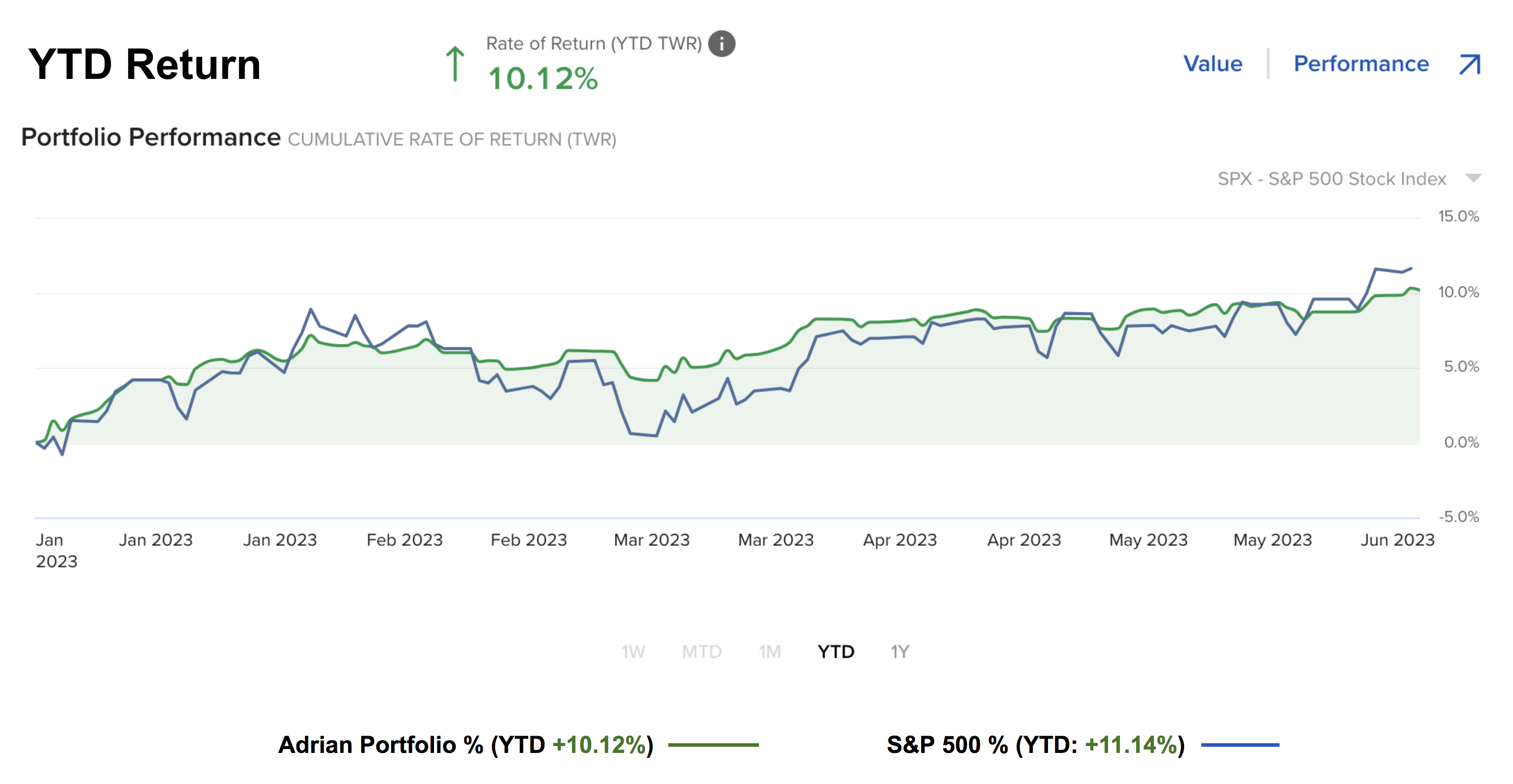
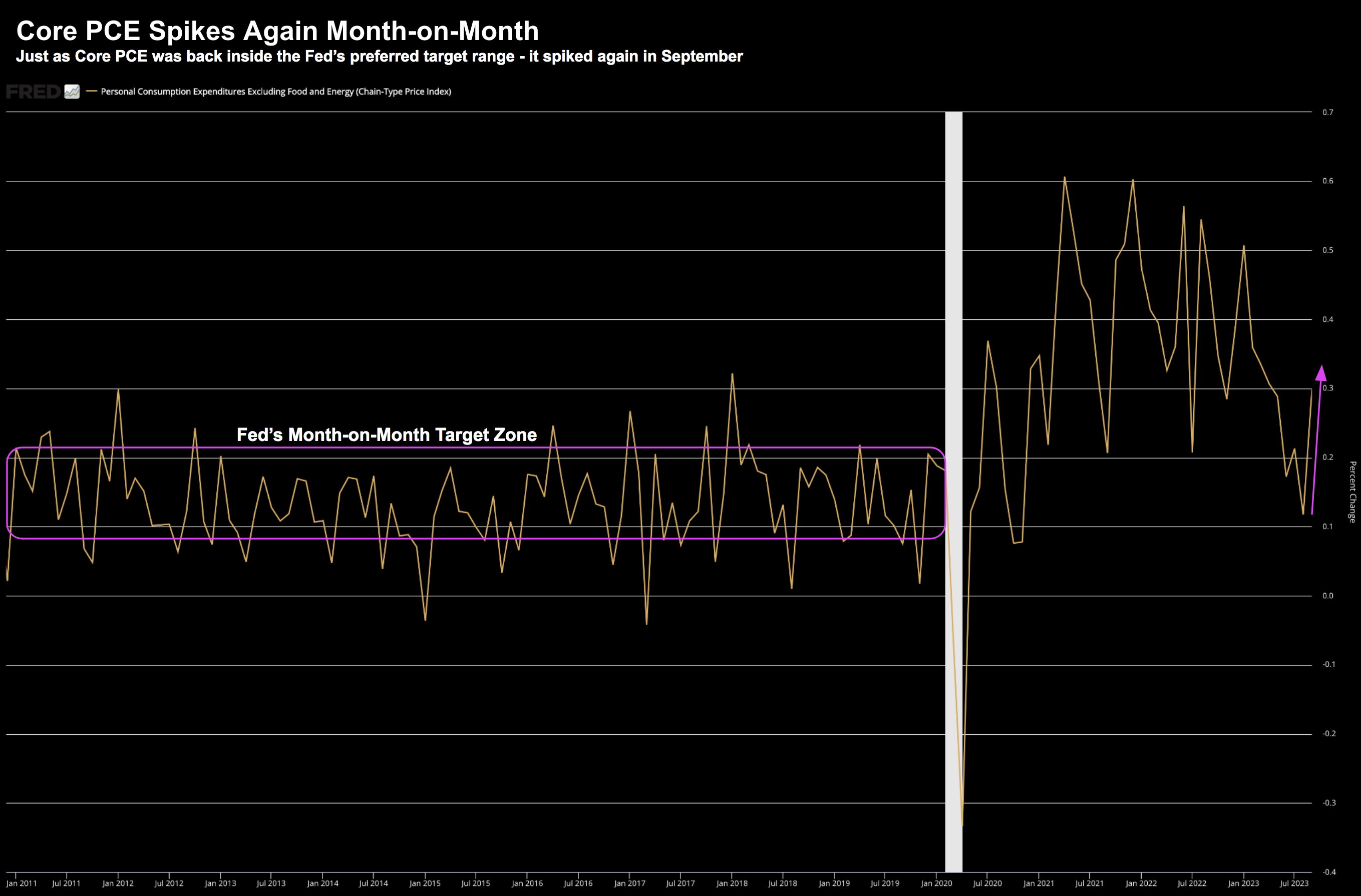
If you're long the market - it was another rough week. My portfolio was no exception. My largest position (Google) was smoked - losing around 10%. The Index is now only up 7.24% for the year.... a long way from almost 20% higher in June. The next hurdle for the market comes next week - when we get payrolls. A soft print might give the market hope the Fed is almost done. However, if it comes in hot, the Fed may have no other choice but to hike again in December... given the uncomfortably high Core PCE last week.

Rethinking Asset Allocation

Last week we were treated to another thought provoking memo from Howard Marks. Apart from Warren Buffett and Stan Druckenmiller - very few investment managers boast a better 40+ year record than Marks. These investing legends rarely speak. But when they do - pay close attention. Marks' note was follow-up to his previous memo titled "Sea Change". Here's the TL;DR: investors need to re-think their longer-term investment strategies. He is of the view the next decade (or more) won't be the same as the last. A rising tide is unlikely to lift all boats. However, this also brings meaningful new opportunities for double-digit returns. We just need to start looking in different 'pockets'.

One Case for Bond Yields Falling in 2024

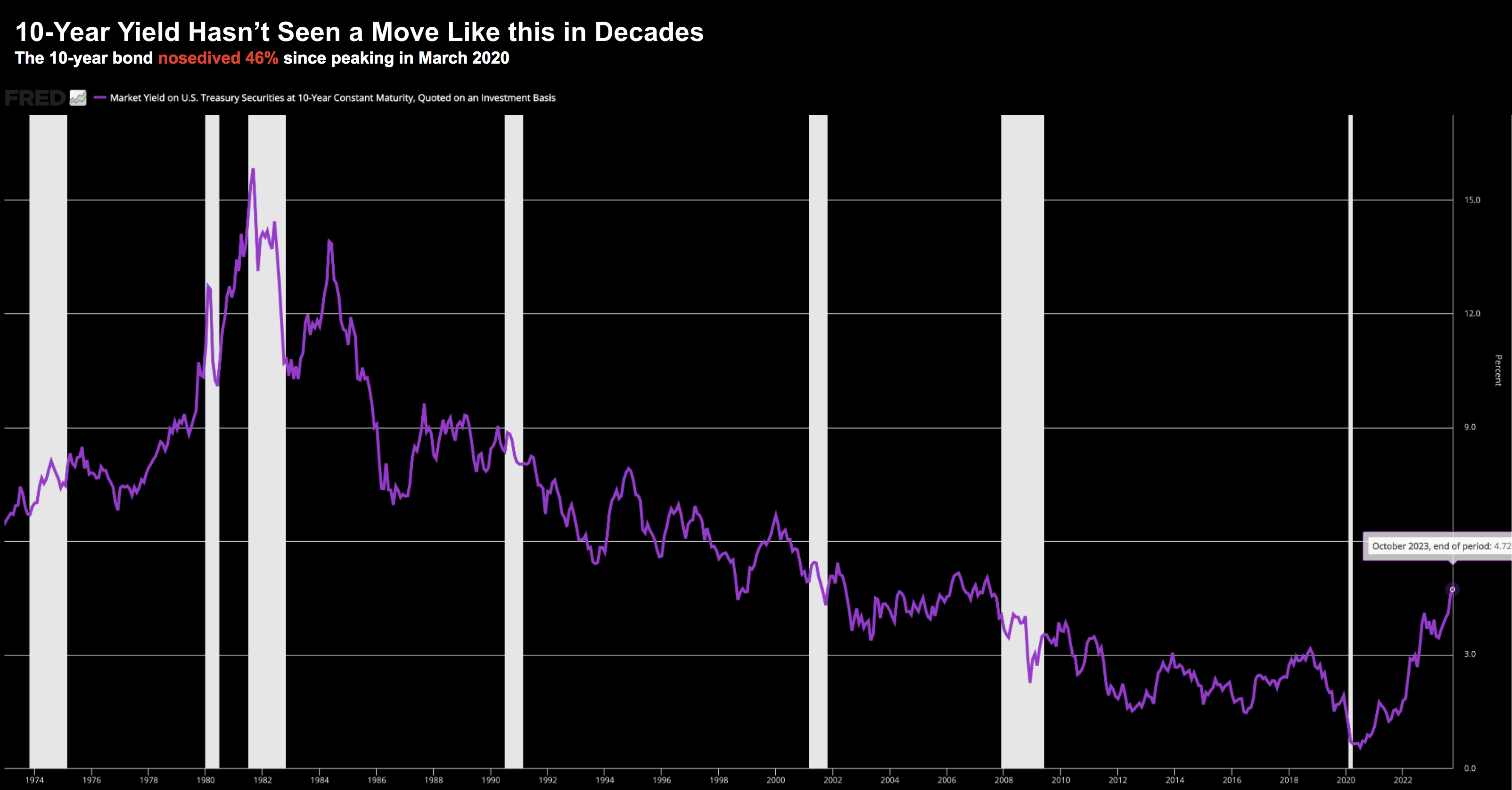
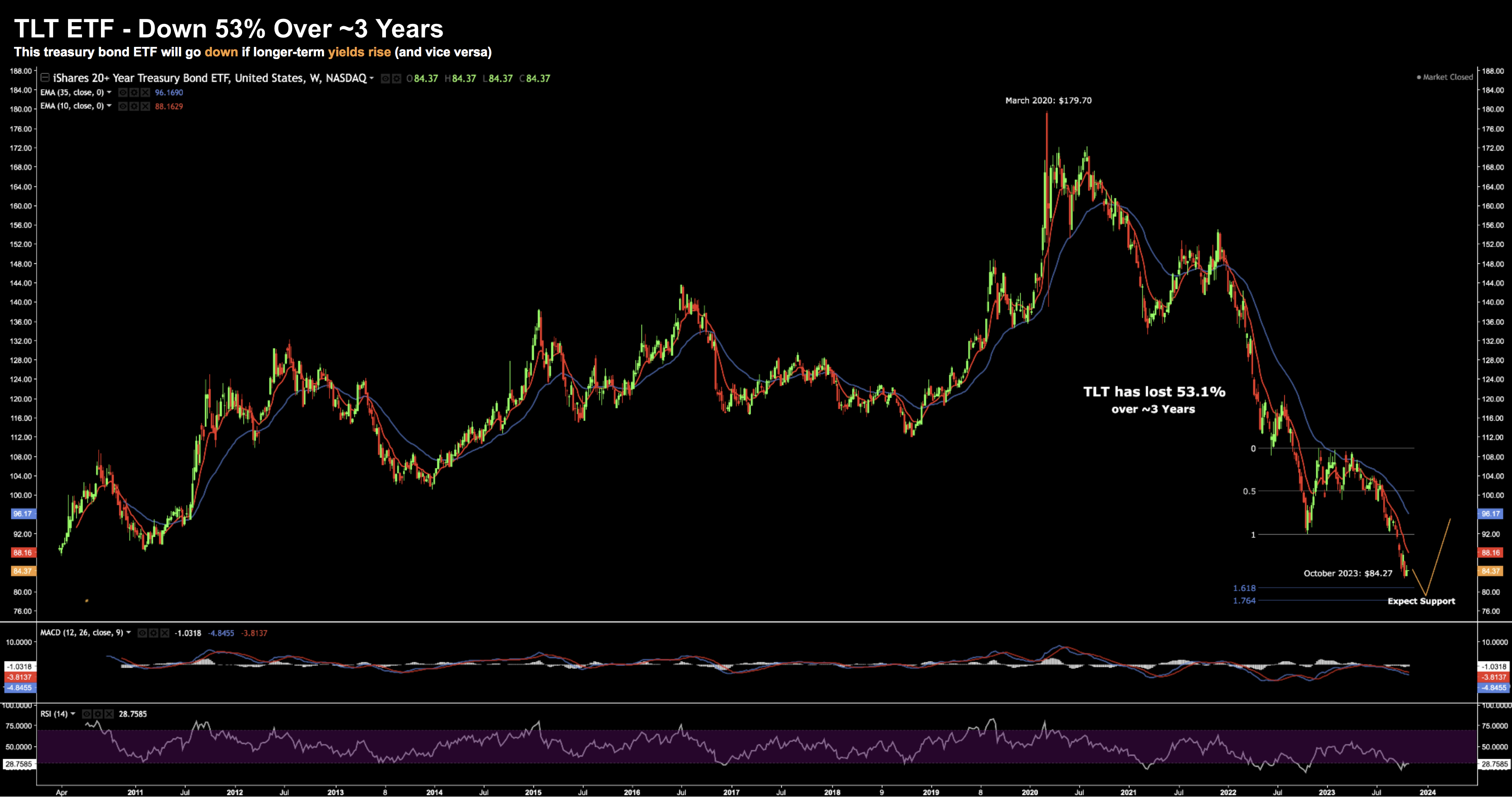
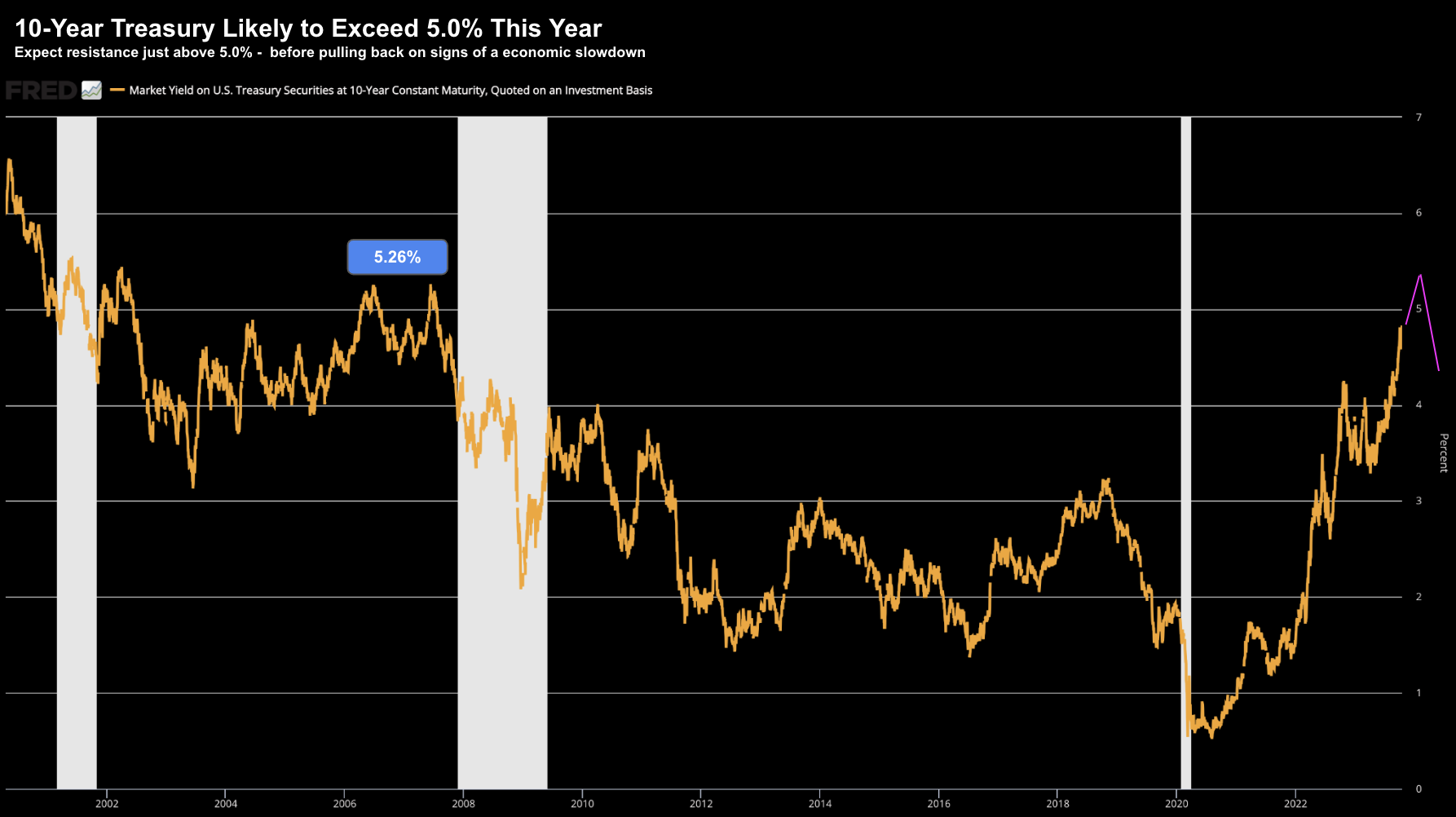
It's been a horrible 3-years for bond / fixed income investors. In short, they have been slaughtered as yields shot higher. For example, losses in long-maturity bonds (e.g. greater than 10 years in duration) are close to historical levels. Consider the all-important US 10-year treasury.... an asset which underpins every financial asset. It has plunged 46% since peaking in March 2020. Put another way, these yields went from ~0.5% at their lows to ~4.8% last week. What we've seen in the bond market is one of the most severe market crashes on record. 30-year bonds have plunged ~53%. As a parallel, the equity market crashed 57% during the 2007-09 financial crisis

History Lessons 

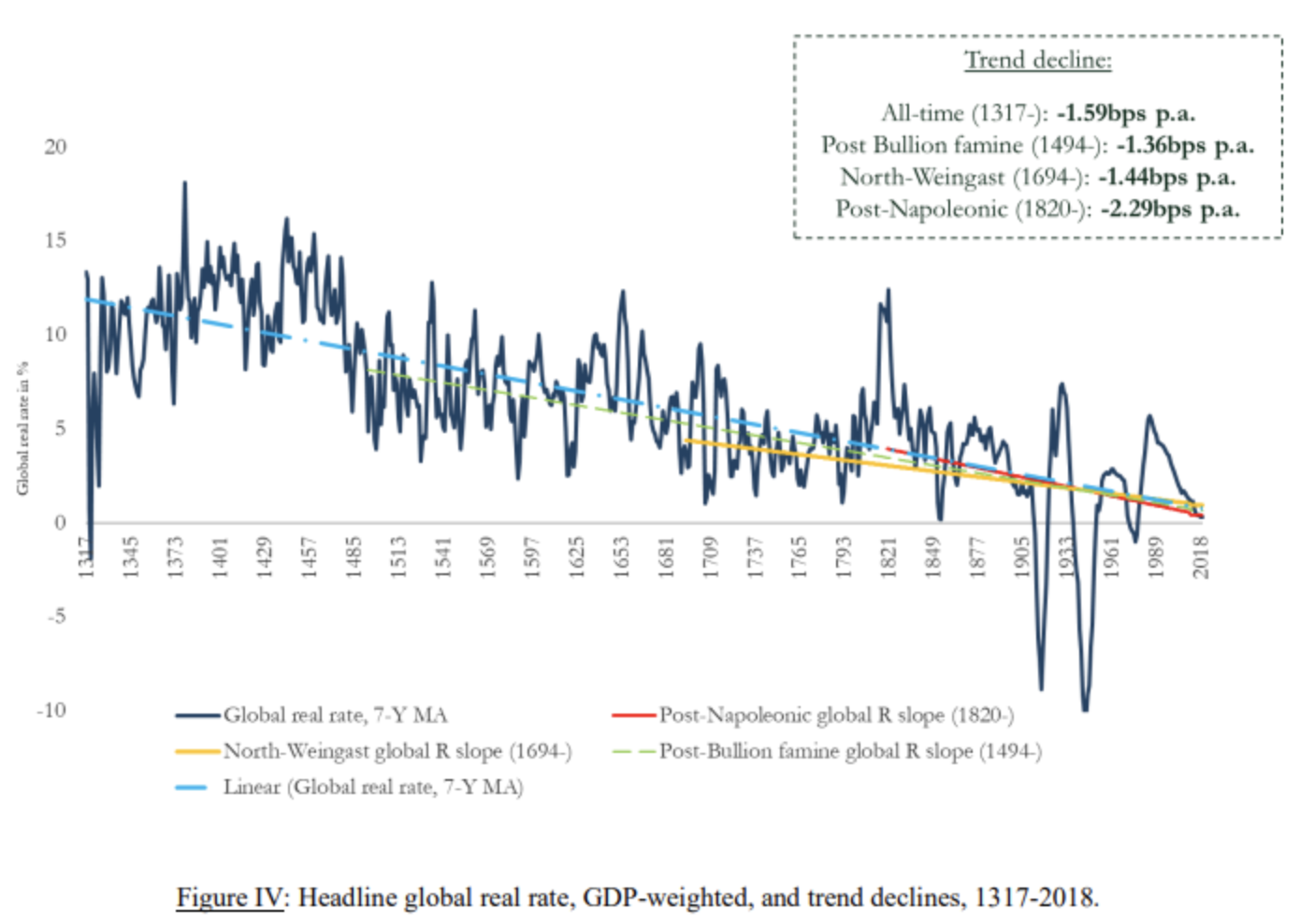
History offers us valuable lessons. During the week, I read an interesting Bloomberg article citing research from financial historian Paul Schmelzing. He explained at a Jefferies (Hong Kong) forum that it’s effectively impossible for data from recent decades to offer insight into whether there’ll be a lasting impact on borrowing costs from the pandemic. This is interesting as the popular narrative is rates will remain high for a very long time.... but will they?

Stocks Treading Water for a Good Reason

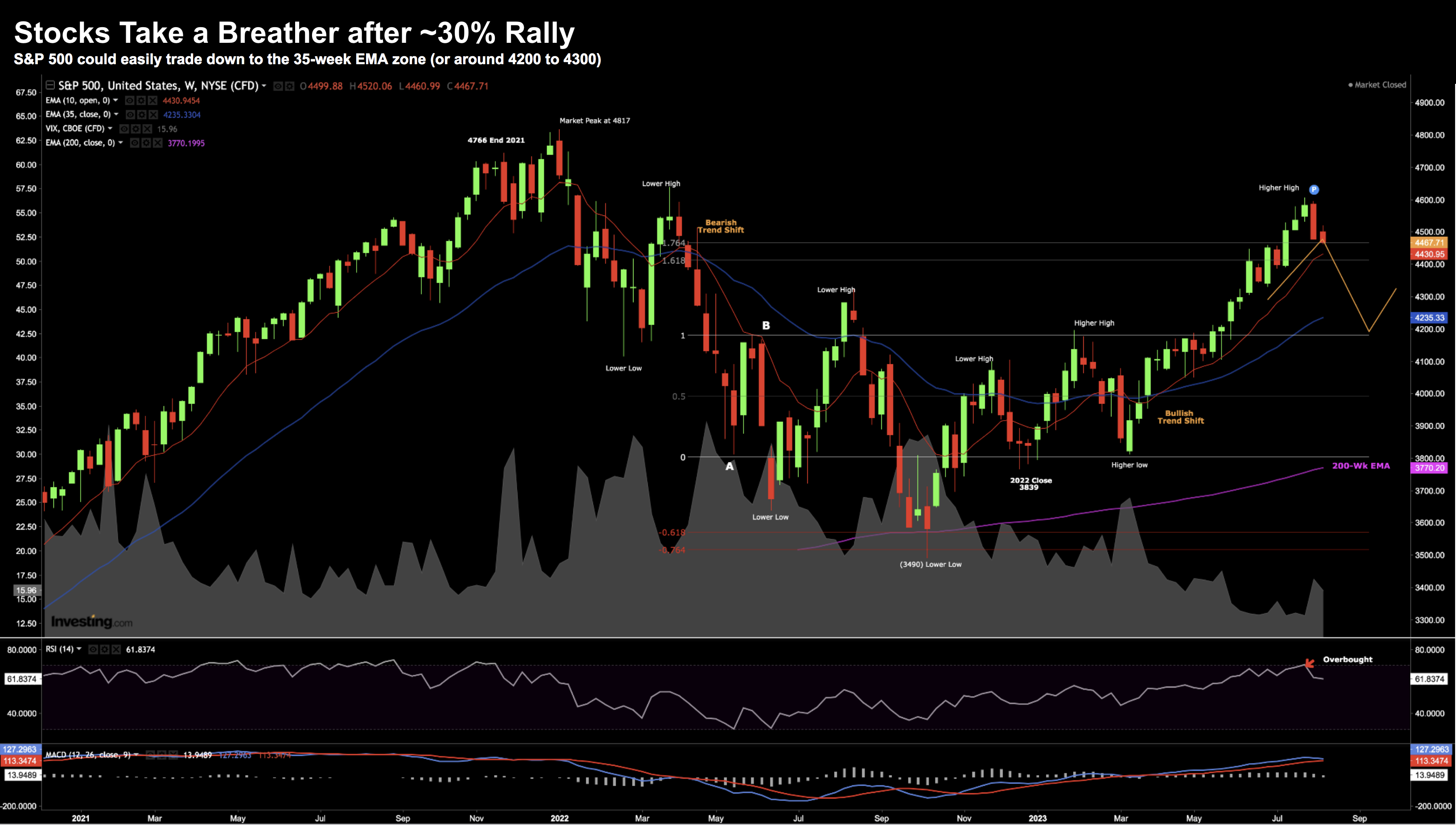
Stocks cannot get out of neutral. If anything, they appear to be going into reverse. Makes sense... they ripped~ 30% higher in 9 short months. But the risks are increasing as prices rise. This post looks at "equity risk premium". In short, investors are not being adequately compensated for the risk being taken in stocks (at current valuations) against the risk free return from Treasuries.

Hints of Mid-2007

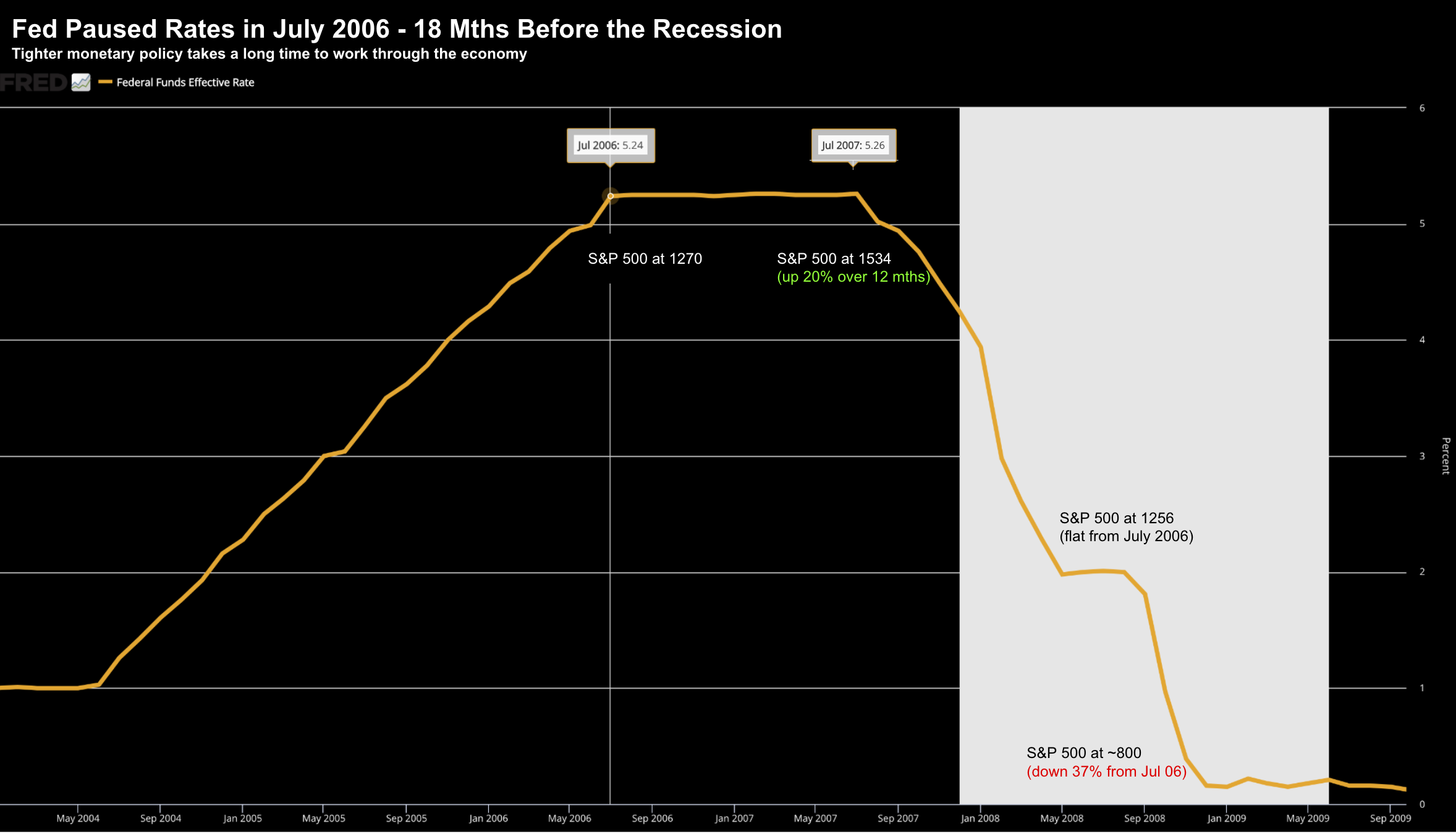
It's been said that whilst history doesn't repeat - it often rhymes. For me, 2023 offers some parallels to 2007. To be clear, things are not exactly the same (they rarely are) - however I will demonstrate some similarities. What's more, I continue to remain long this market (with about 65% exposure). That said, if I'm correct (and I may not be) - it could raise a 'red flag' for 2024. Three things (1) fed monetary tightening takes between 12 and 24 months to make its full impact; (2) the economy also looked very strong into Q4 2007; and (3) sustained inverted yield curve cause recessions. In my view - the market is losing sight of the fact of how long the lag effect can be.

Bulls & Bears Can Make a Solid Case

It's fair to say this is one of the more hated stock market rallies. Why? Rarely have I seen so many caught on the wrong side of the trade. Sentiment is overwhelmingly negative. And yet the S&P 500 is up ~20% from its October low. This missive outlines both the bull and bear case. Either side can make valid arguments. This is what makes things so interesting. In short, you must have exposure to this market. However, you should do so with your eyes wide open.

Powell’s Punch

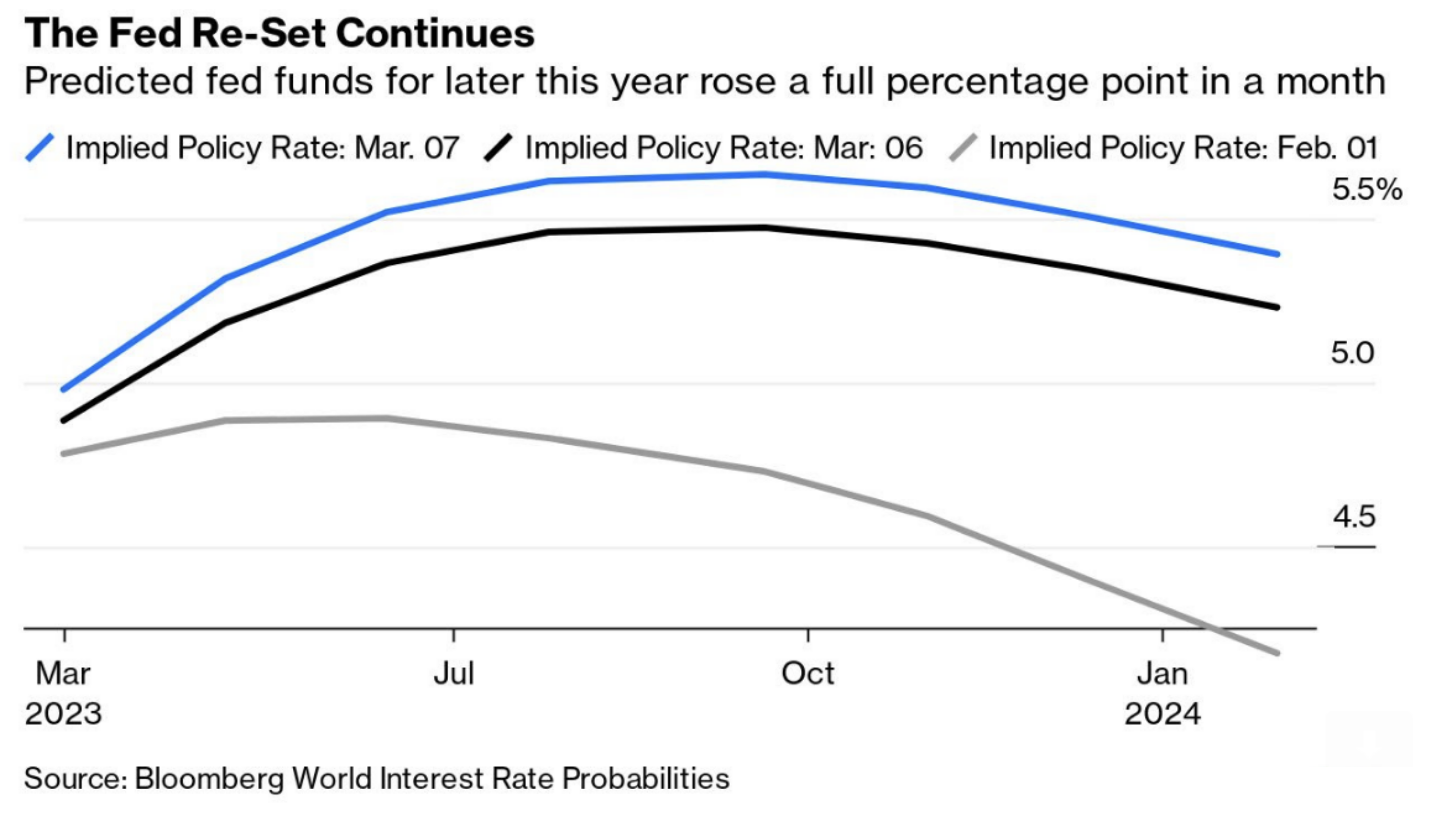
In what was supposed to be a 'vanilla' testimony to Congress - Jay Powell turned this into a market moving event. Not pleased with how market participants interpreted his previous address - he set the record straight that rates will be higher for longer. His testimony left no room for ambiguity - it was full hawk. Markets quickly revised their forecasts for the peak Fed funds rate - with some now thinking 6.00%. What's more, the 2/10 yield curve is now negative 107 basis points. We have not seen that since 1981. Soft landing? Good luck.

Remain Wary of Permabears

Jeremy Grantham is a well known permabear. This week - he called for a possible 50% correction. Sure... it's probable we see something in the realm of 20%... but 50%? I decided to look at Grantham's track record against the S&P 500 over 25 years. Guess what - he has woefully underperformed the market. Hardly surprising. Beware of doomsday 'crash callers' like Grantham... and he is not alone. They are dangerous.