Category Investing Lessons

“Heads I Win and Tails You Lose”

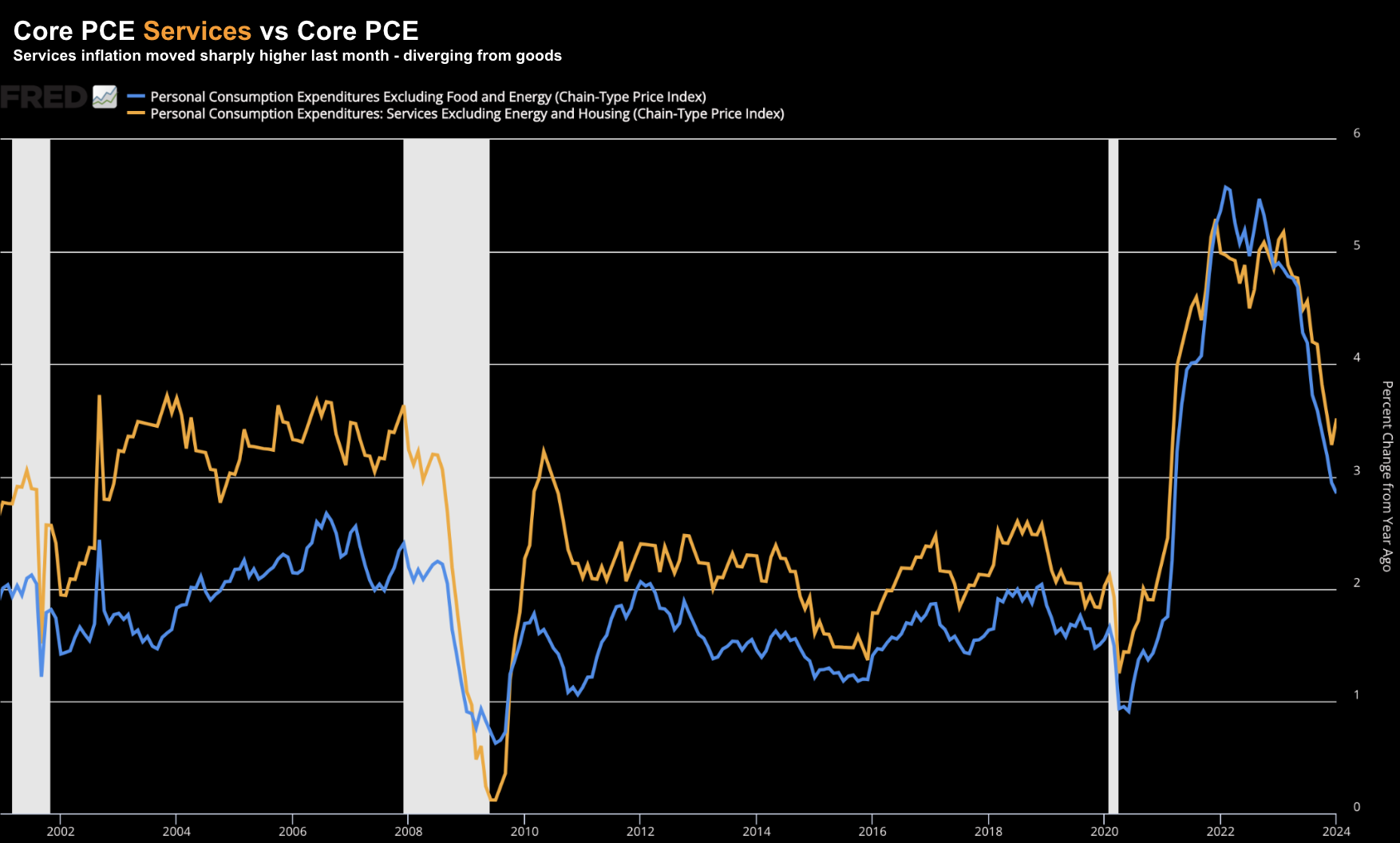
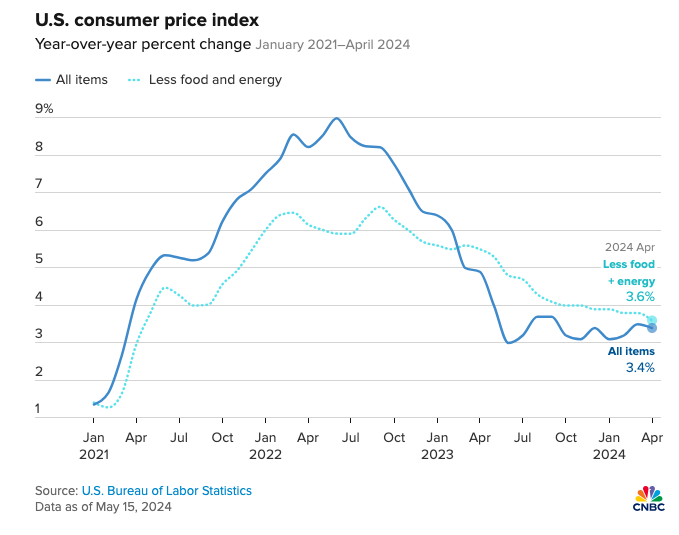
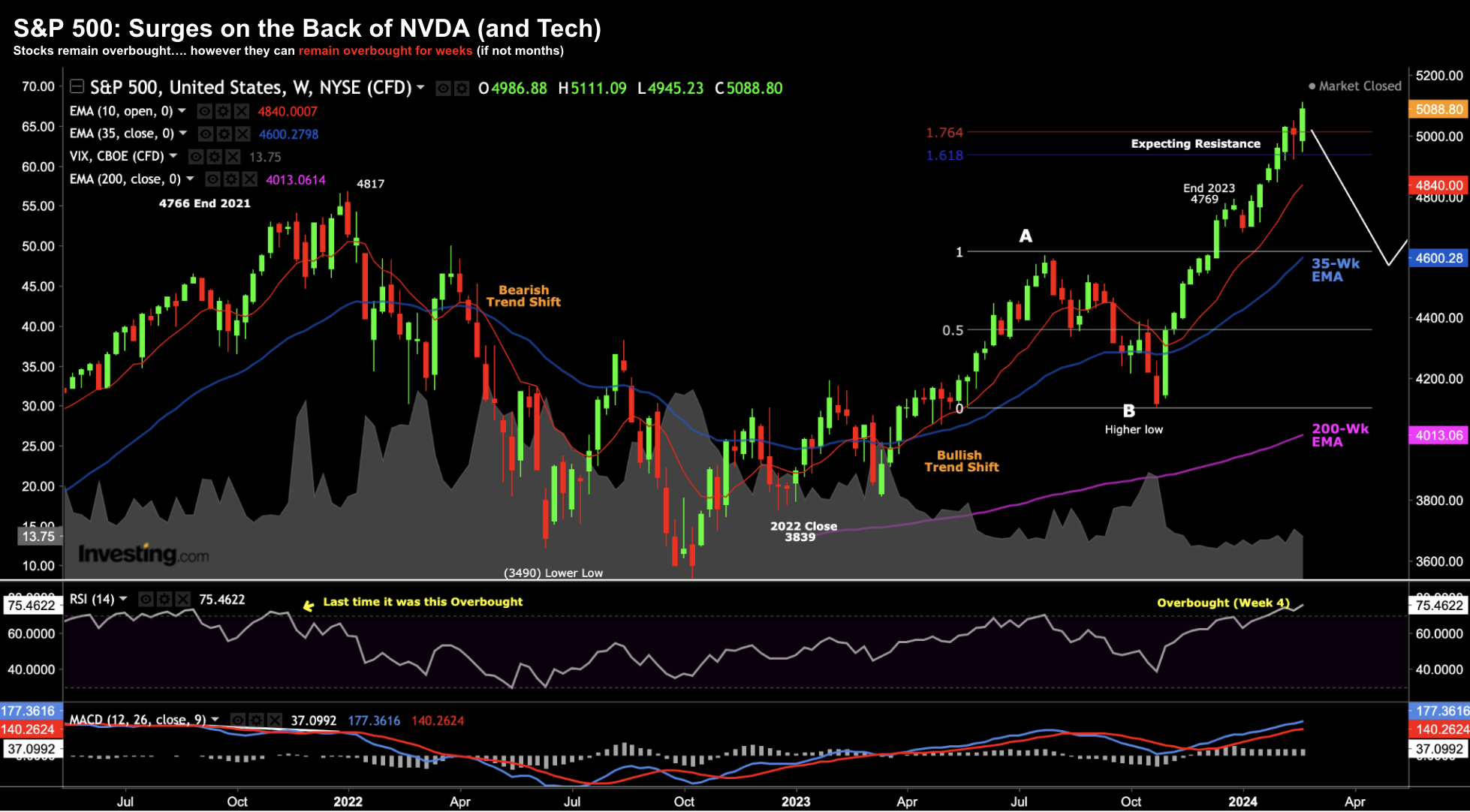
After almost three decades at this game - something you learn is not to fight the tape. Trade against momentum at your own peril. Consider the news today... it was both bad and good. I will start with the (perceived) 'good'. The Consumer Price Index (CPI) was slightly cooler than expected. And whilst it's still a long way above the Fed's target of 2.0% - the market was thrilled it was only up 0.3% MoM and 3.4% YoY. Bond yields plunged and stocks ripped. Sure... 3.4% isn't great... but that's Main Street's problem... Wall Street doesn't care. However, the bad news was retail sales plunged. But wait a minute - that's also "good news" - as it could mean a more accommodative Fed. Heads I win and tails you lose.
Risk vs Reward

Warren Buffett once told us "the stock market is a device for transferring money from the impatient to the patient”. Which one are you? And while it sounds cliché, the power of patience is real. We need patience for two things: (i) allow our existing investments to work over time; and also (b) if buying, waiting for prices to come to us (eliminating FOMO). For example, some investors may have felt left out the past three months (I certainly did) - as 'hot' momentum stocks like Nvidia, Netflix, Meta and others surged. Fundamentals were not front of mind - where investors thought nothing of paying 40x plus earnings. The momentum trade had taken hold. But as we know - things inevitably revert to the mean.

Don’t Fight the Fed…

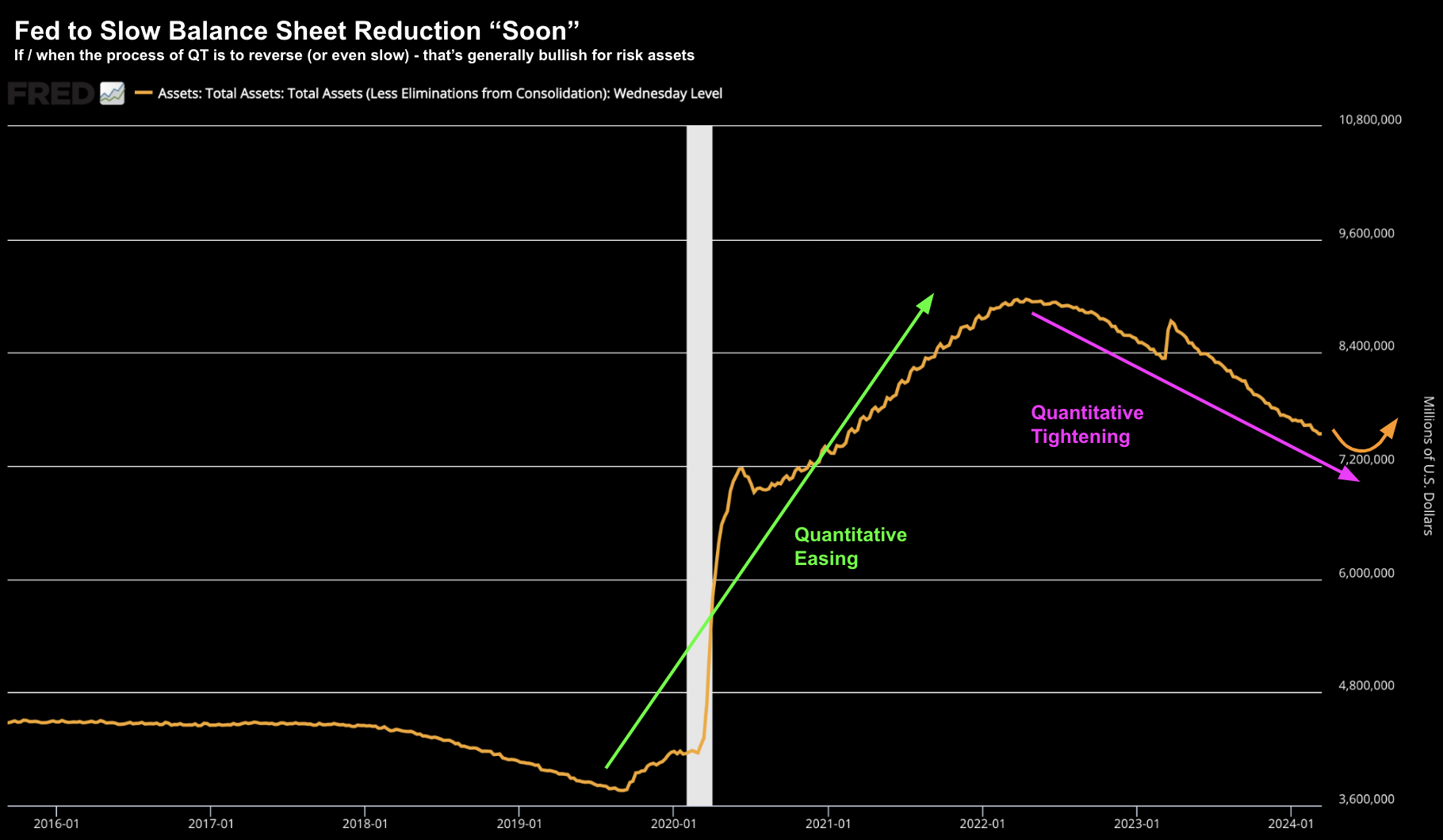
"Don't fight the Fed" is a popular Wall St. adage for investors. The phrase was coined by well known investor Marty Zweig in 1970. At the time, Zweig explained the Federal Reserve policy enjoys a strong correlation in determining the stock market’s direction. Fast forward ~50 years and his theory has proven mostly correct.

A Different Lens on the ‘AI Bubble’

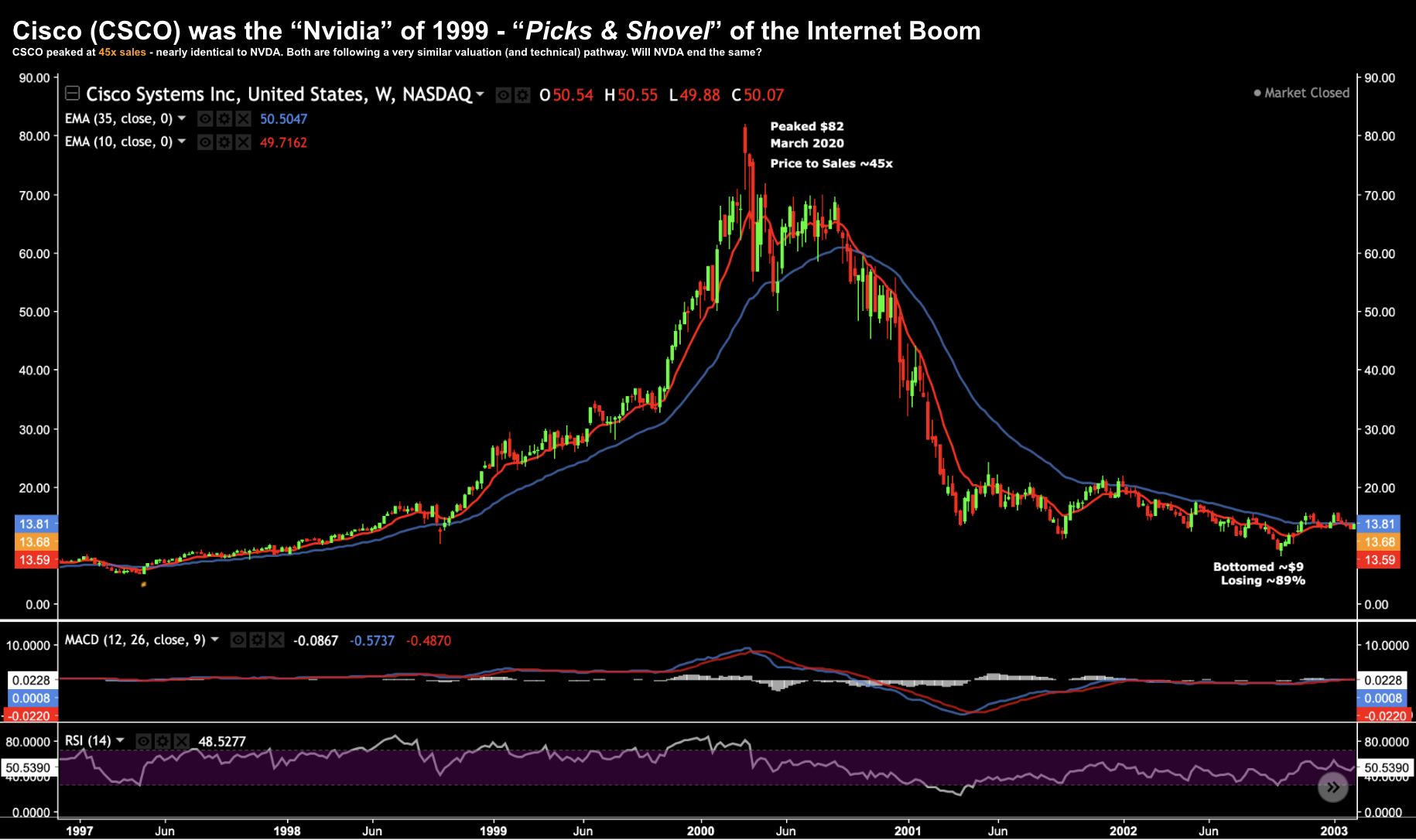
25 years ago Cisco (CSCO) was the largest company on the S&P 500 by market cap. Its shares soared on the demand for networking equipment. But it didn't last. The stock lost 89% of its value in two years. Nvidia is not only charting a very similar technical pattern to CSCO - there are also similarities with valuation metrics. Both the price-to-earnings ratio and price-to-sales multiples have been very similar. What we don't know (or cannot know) is whether the same fate lies ahead for NVDA (as investors pay a staggering 35x sales for a slice of the AI pie)

Money Supply is Expanding: Fuel for Stocks

When the supply of money expands - it's typically very good for stocks. For example, the S&P 500 index is said to appreciate at an average annualized pace of 14.02% when liquidity expands. However, when it contracts, that gain was only around 7.0%. Today money supply is once again expanding after one of the largest contractions in recent history. This has the potential to be very good for investors. As they say, it's always easier swimming with the tide.

Buffett’s Letter: Time Not to be Greedy

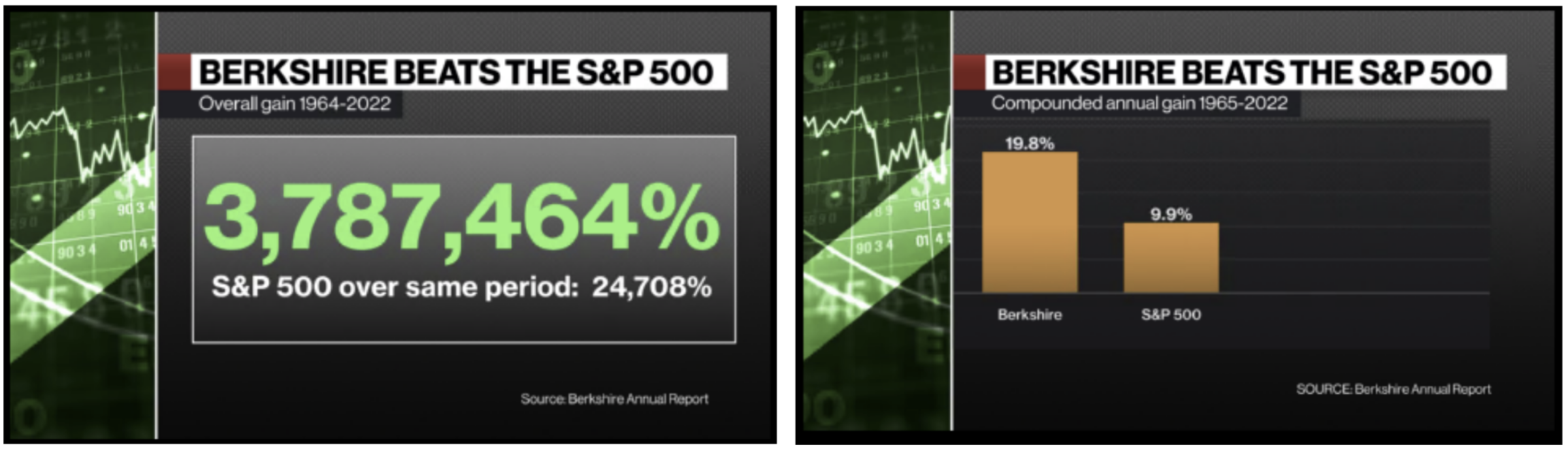
If we needed confirmation the market isn't cheap - the Oracle of Omaha told us as much in his annual letter to shareholders. He sits on a record amount of cash - over $167B. But he is no hurry to overpay. Buffett's letter is compulsory reading for anyone who is serious about investment. It's filled with timeliness insights from the mind of one of the world's greatest investors (arguably the greatest). For example, very few (if any?) have averaged a CAGR of 19.8% for 58 years (see page 17) vs the S&P 500 10.2%

Mean Reversion: Index Risks & the ‘M7’

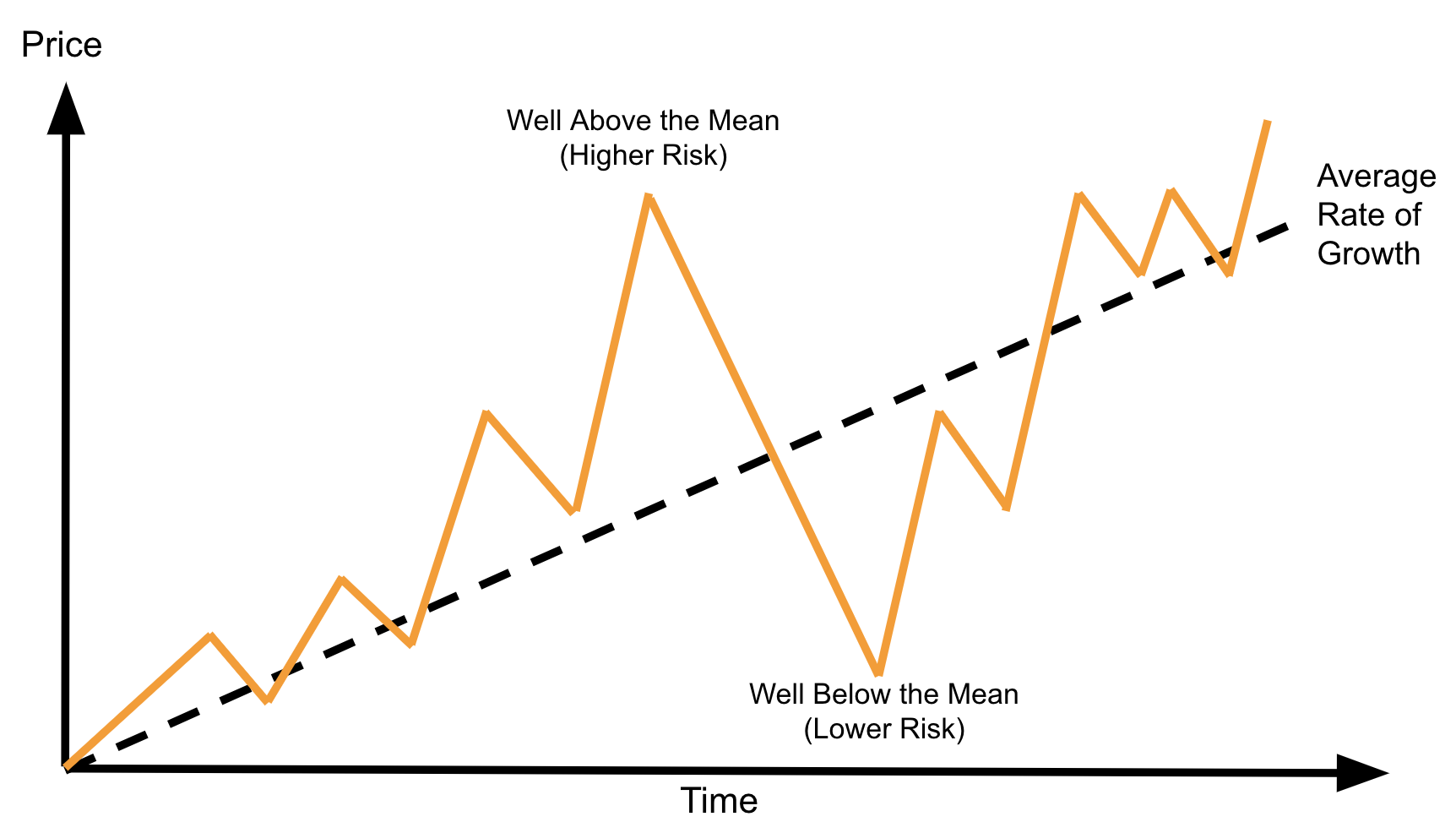
In the game of asset speculation – mean reversion suggests that over time an asset will eventually return to its average price if it drifts or spikes too far from that average level. If applied, it can often help you avoid paying too much. My thinking is the S&P 500 has now drifted too far from the longer-term mean. History has always told us that inevitably prices will mean revert. This post explores the potential risks to investors if simply choosing to passively invest via the benchmark Index. Look no further than the so-called "Mag 7" - which constitute more than a 30% weight.

Three Cheers for 5,000!

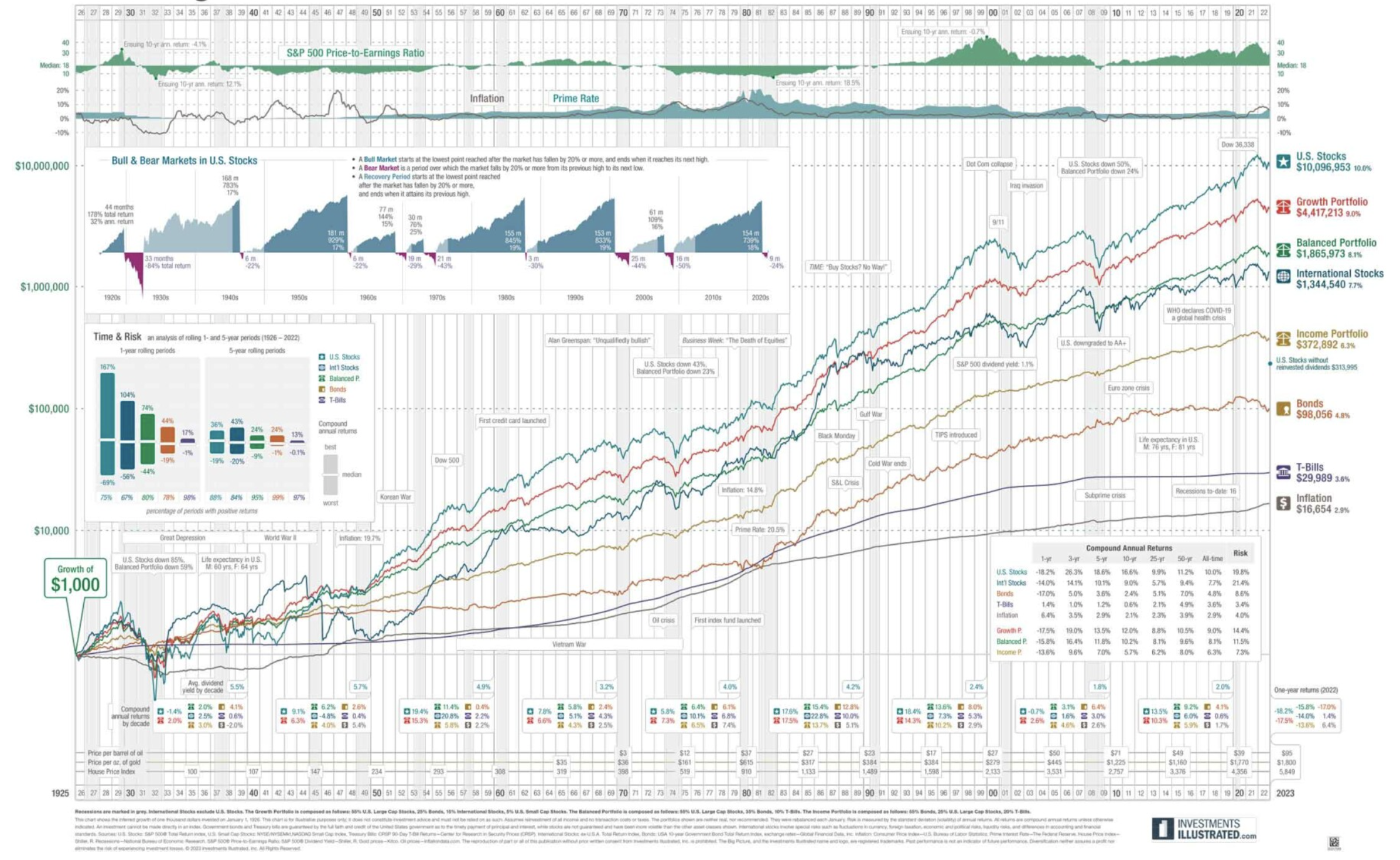
This week the S&P 500 closed above 5,000 for the first time. Another milestone as we climb the 'wall of worry'. Over the past 100+ years the S&P 500 has averaged capital gains of ~8.5% per year plus dividends of ~2.0%. That's a total return of close to 10.5% (on average). If you compound 10.5% per year over 20 years (i.e., 'CAGR') - that's a 637% increase. But as we know, the pathway is rarely smooth. Some years the market may "add 20%" and others it could give back a similar margin (or worse). And we saw this happen recently. However over the long run - markets will rise more often than they fall.

Charlie: More than a Brilliant Investor

"The best thing a human being can do is to help another human being know more" - Charlie Munger. Very few things will change your trajectory in life (and/or business) as much as learning and education.The more you dedicate your time to obtaining knowledge - the better you will be. But take it a step further... the pathway your life takes will be a function of the decisions you make. Which begs the question - how does one make higher-quality decisions and/or fewer mistakes? Charlie Munger offered us a framework of mental models to do just that... this will be his real legacy.

The Folly of Forecasting

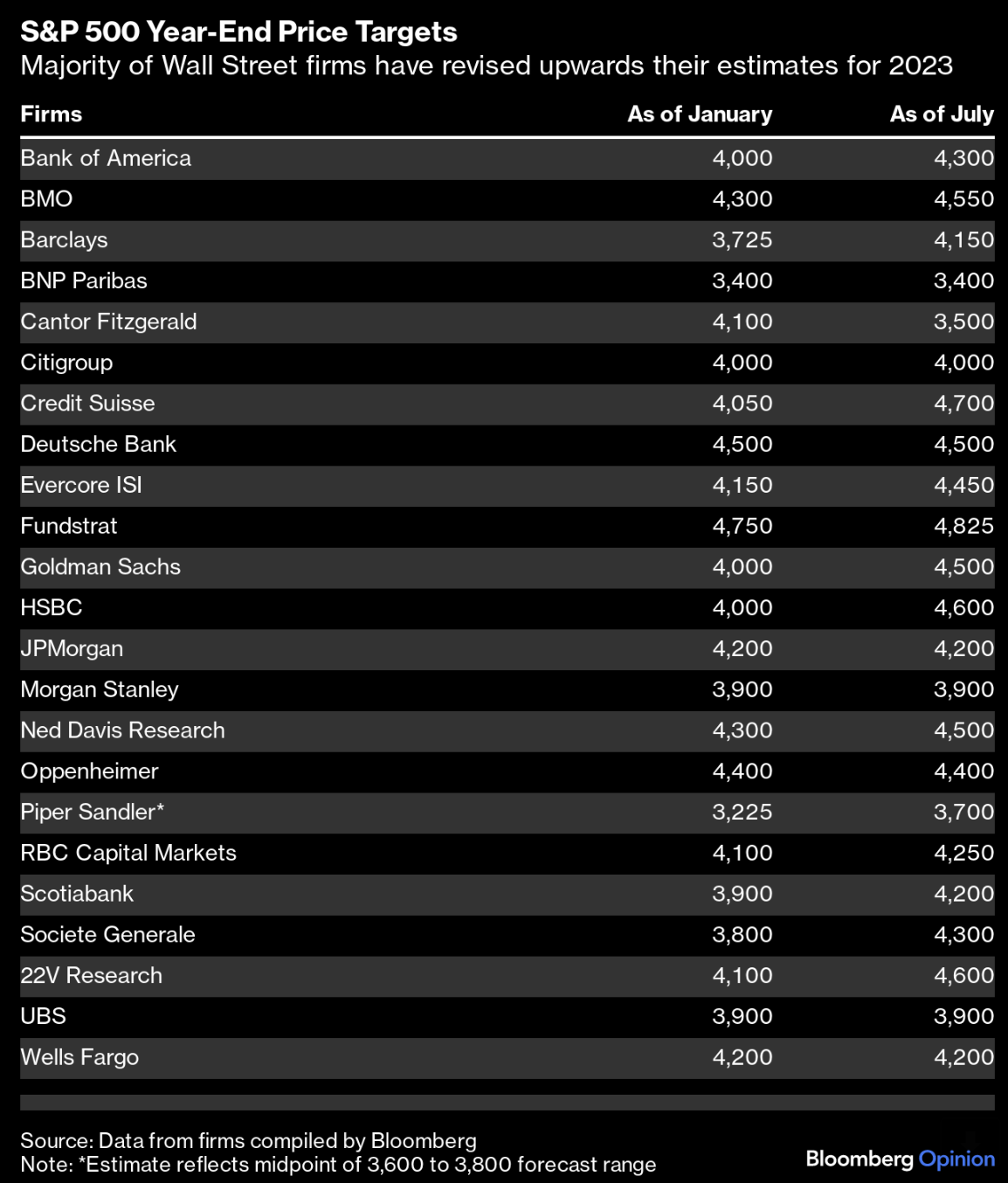
July 24 this year the S&P 500 traded around 4600. At the time, gains were almost 20% for the year. The bulls had all the momentum and analysts were ratcheting up their end of year forecasts. Some felt 20% YTD gains were not enough - calling for even greater upside. What happened? Stocks corrected around 10% offering investors a better opportunity. The game of near-term forecasting is a fool's errand...