Category Macro / Economy

The $1T Trade Deficit Myth: Why Tariffs Won’t Fix the U.S.-China Economic Relationship The $1T Trade Deficit Myth: Why Tariffs Won’t Fix the U.S.-China Economic Relationship

The T Trade Deficit Myth: Why Tariffs Won’t Fix the U.S.-China Economic Relationship

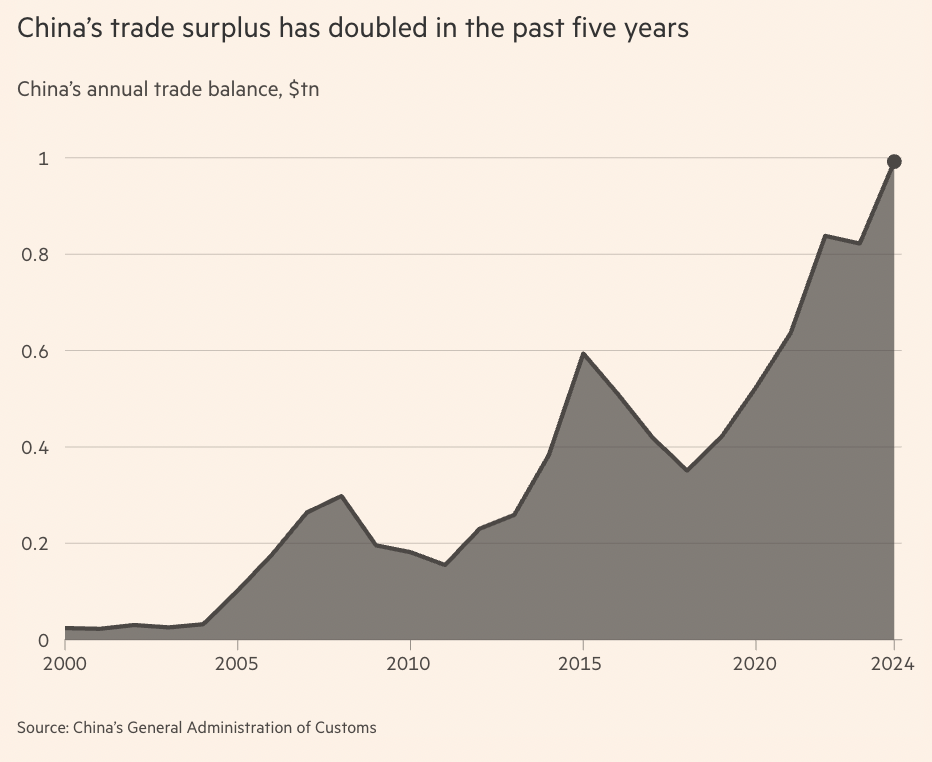
For the past few weeks we've watched Trump double down on dumb. There are no winners from tariffs - only losers. Perhaps the biggest loser of all will be the US consumer... forced to pay higher prices for almost all goods. Is that the goal? From Trump's lens - China has been "ripping the US off" for decades. Why does he think this? The President will cite the US' ~$1T trade deficit with the Middle Kingdom... which has doubled in 5 years. But this isn't necessarily a bad thing... here's why
The Pivot from Inflation to Growth: Are Markets Mispricing 2025? The Pivot from Inflation to Growth: Are Markets Mispricing 2025?

The Pivot from Inflation to Growth: Are Markets Mispricing 2025?

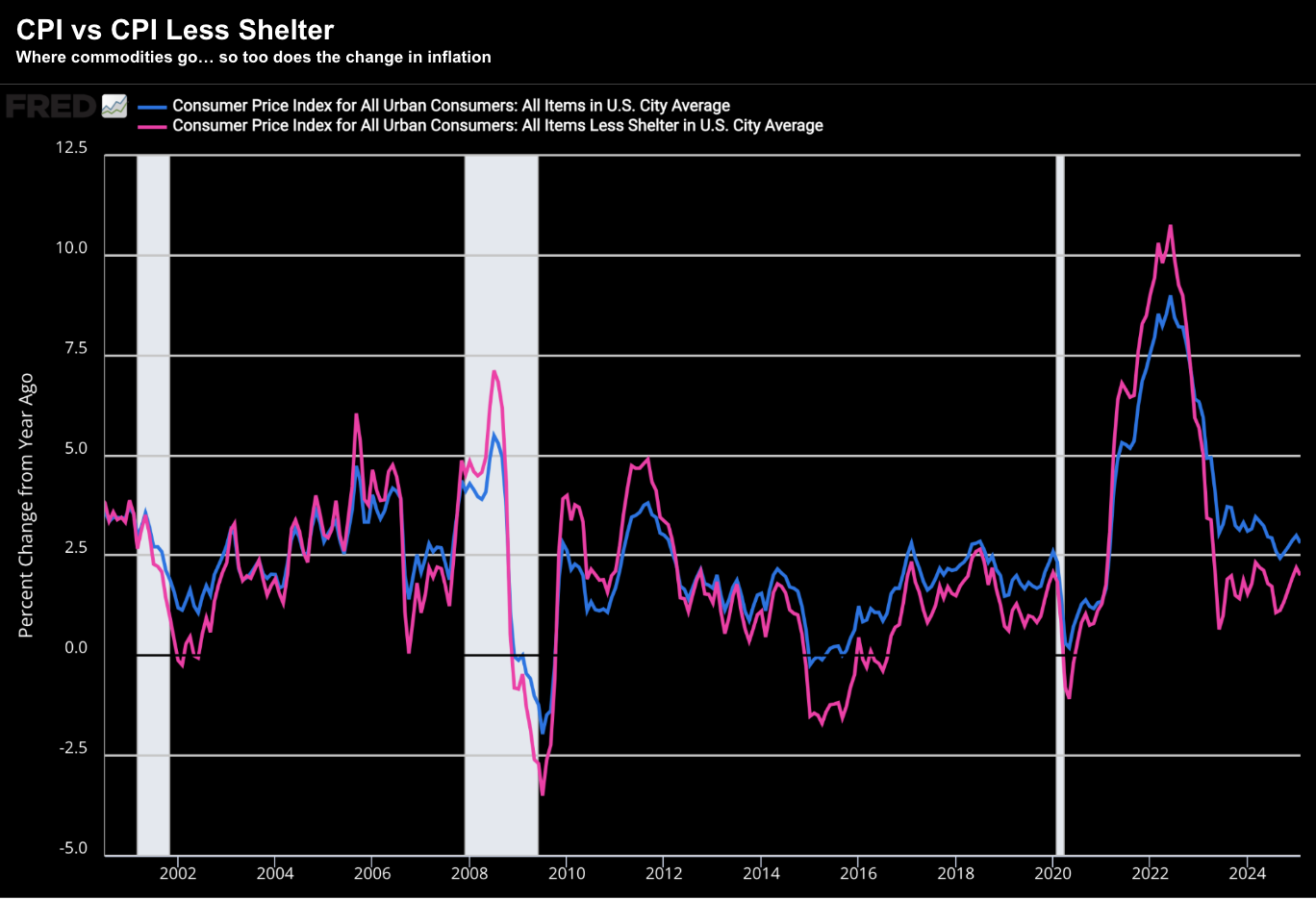
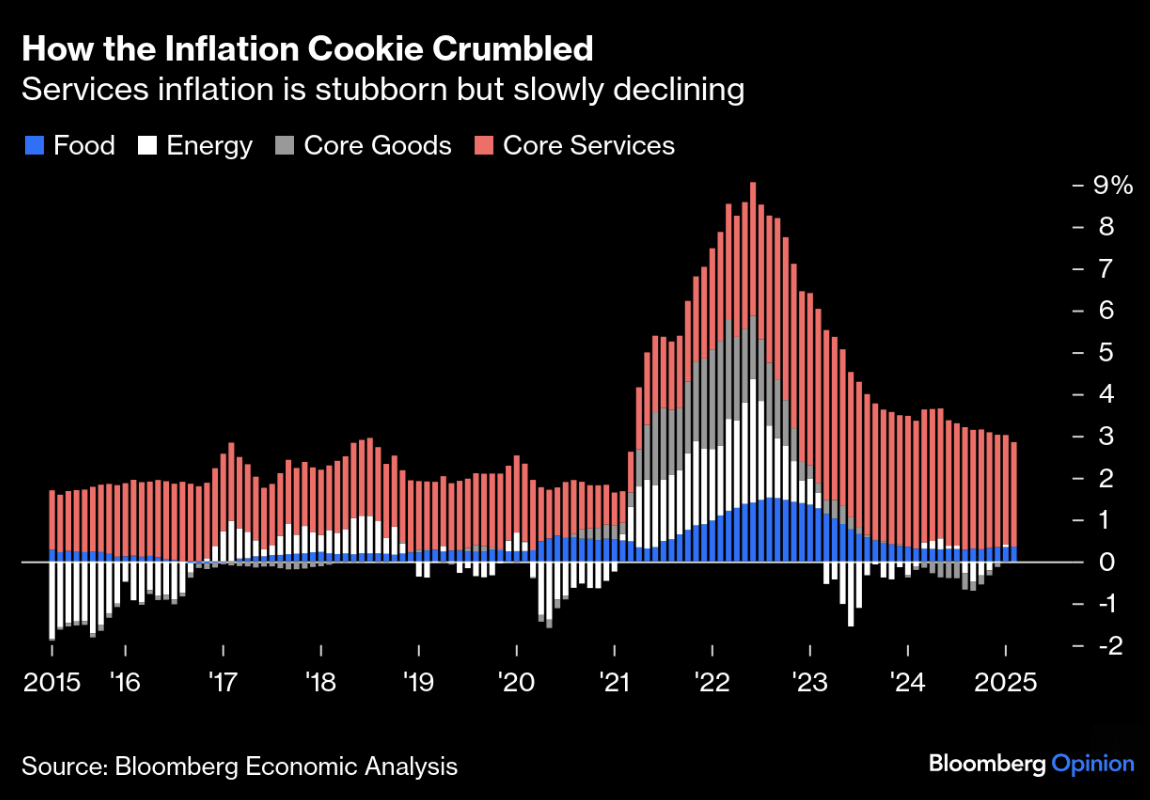
Some people are concerned about mounting inflationary risks. For example, it was only last week the Fed raised its inflation projections - where core inflation is expected to grow at a 2.8% annual pace, up 0.3 percentage points from the prior reading. And whilst inflation may remain sticky in areas like services and shelter (which I will talk to more shortly) - I think we should be more concerned with growth.

Consumer Confidence Sinks: Be Wary of this Market Bounce Consumer Confidence Sinks: Be Wary of this Market Bounce

Consumer Confidence Sinks: Be Wary of this Market Bounce

It was a roller-coaster week for stocks... maybe a hint of things to come? From mine, in the very short term, markets were deeply over-sold looking at its Relative Strength Index (RSI). Often when you see the RSI below a value of 30 - buying isn't too far away. The last time stocks sank ~10% over a few days was 2020. However, in the absence of any crisis, generally this will see both short covering and/or bargain hunting. The bigger question is whether stocks can follow through? I don't think we draw that conclusion yet...

The Carry Trade Unwind: How Yen Strength and JGBs are Sinking Tech Stocks The Carry Trade Unwind: How Yen Strength and JGBs are Sinking Tech Stocks

The Carry Trade Unwind: How Yen Strength and JGBs are Sinking Tech Stocks

Enjoying the ride so far? I guess it depends on how you were positioned. Even a genius can look like an idiot if they are caught out of position. Those who had excessive exposure to tech (or chips) may not be enjoying things. Most of their 2024 gains have been wiped out.
It doesn't take long when there's a rush to the exits. On the other hand - if you pivoted into value orientated names (which traded at more reasonable multiples) - things will look more positive

The Tariff Trap: Navigating Market Uncertainty and the Folly of Forecasting The Tariff Trap: Navigating Market Uncertainty and the Folly of Forecasting

The Tariff Trap: Navigating Market Uncertainty and the Folly of Forecasting

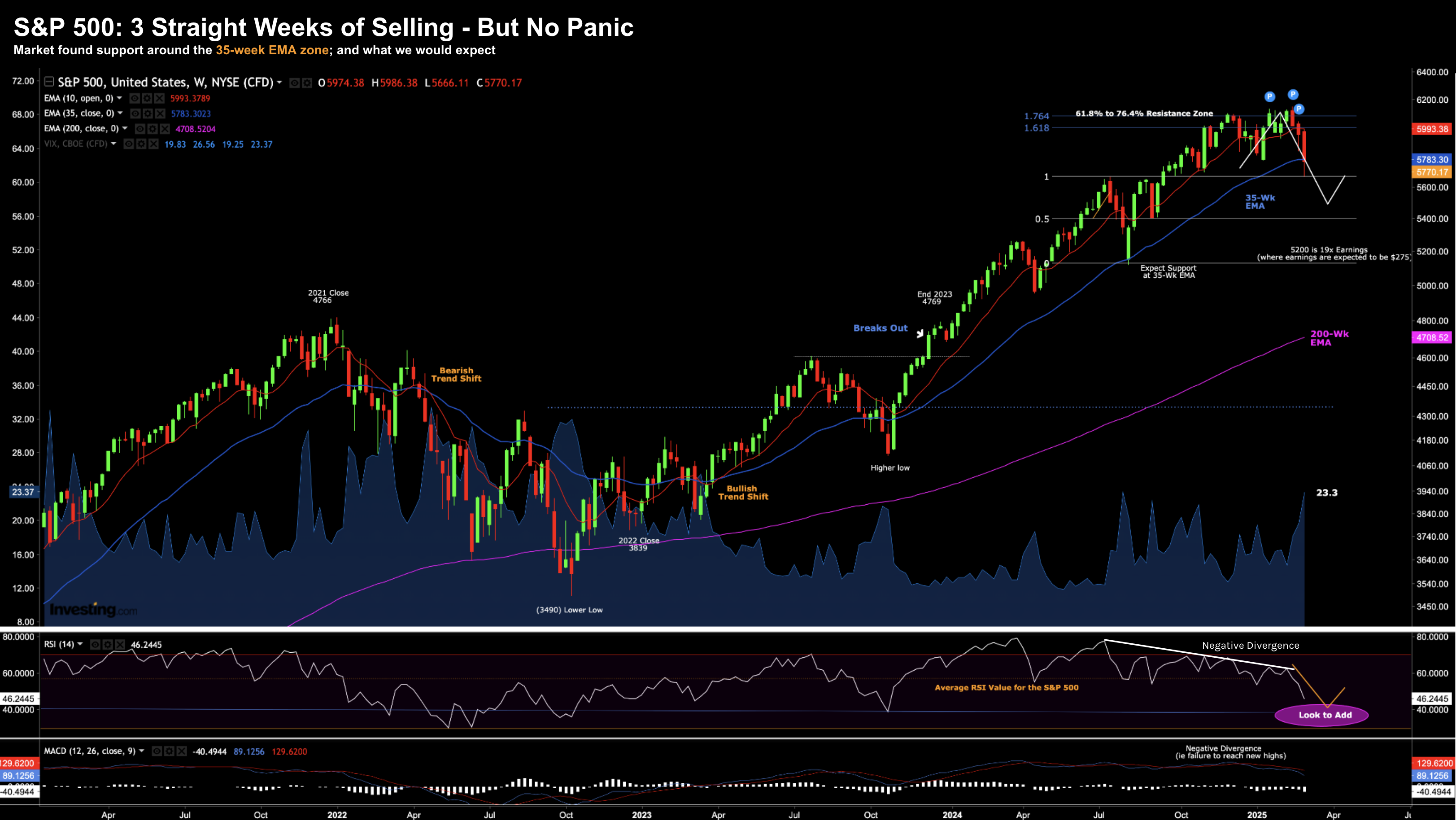
Approx 2 months ago - it felt like markets were starting to hedge their bets. How could I tell? Whilst the market was trading near record highs (around 6100) - momentum was fading. I commented on both the weekly MACD and RSI falling - whilst prices remained high. Technicians call this "negative divergence". Quite often it suggests prices are at greater risk of easing. Since then they've dropped ~6%. The week ending March 7th was the worst week for the year and the third straight week of losses... more to come? I think so...

The Fed’s Balancing Act: Why Market Liquidity Matters More Than Interest Rates The Fed’s Balancing Act: Why Market Liquidity Matters More Than Interest Rates

The Fed’s Balancing Act: Why Market Liquidity Matters More Than Interest Rates

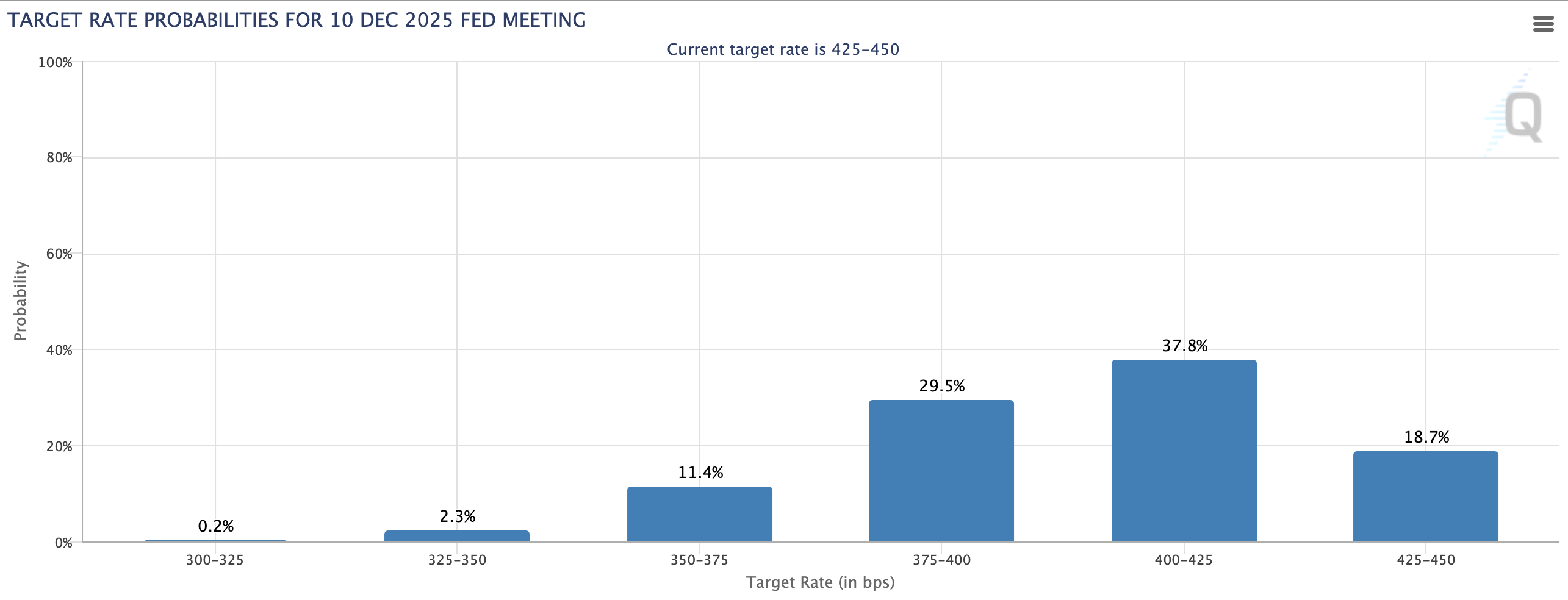
Four things caught my eye with yesterday's release of the January Fed Minutes: (i) worries over tariffs and their impact on inflation; (ii) some members suggesting the fed funds rate is now close to neutral (not the majority); (iii) concerns over the pace of balance sheet reduction targets; and (iv) inflation needing to come down more before lowering rates further. Makes sense to me... But I can't help but wonder when Powell ran a victory lap last September - whether it was premature.

The Inversion of Growth: Why Private Investment is the Only Way Out of Debt The Inversion of Growth: Why Private Investment is the Only Way Out of Debt

The Inversion of Growth: Why Private Investment is the Only Way Out of Debt

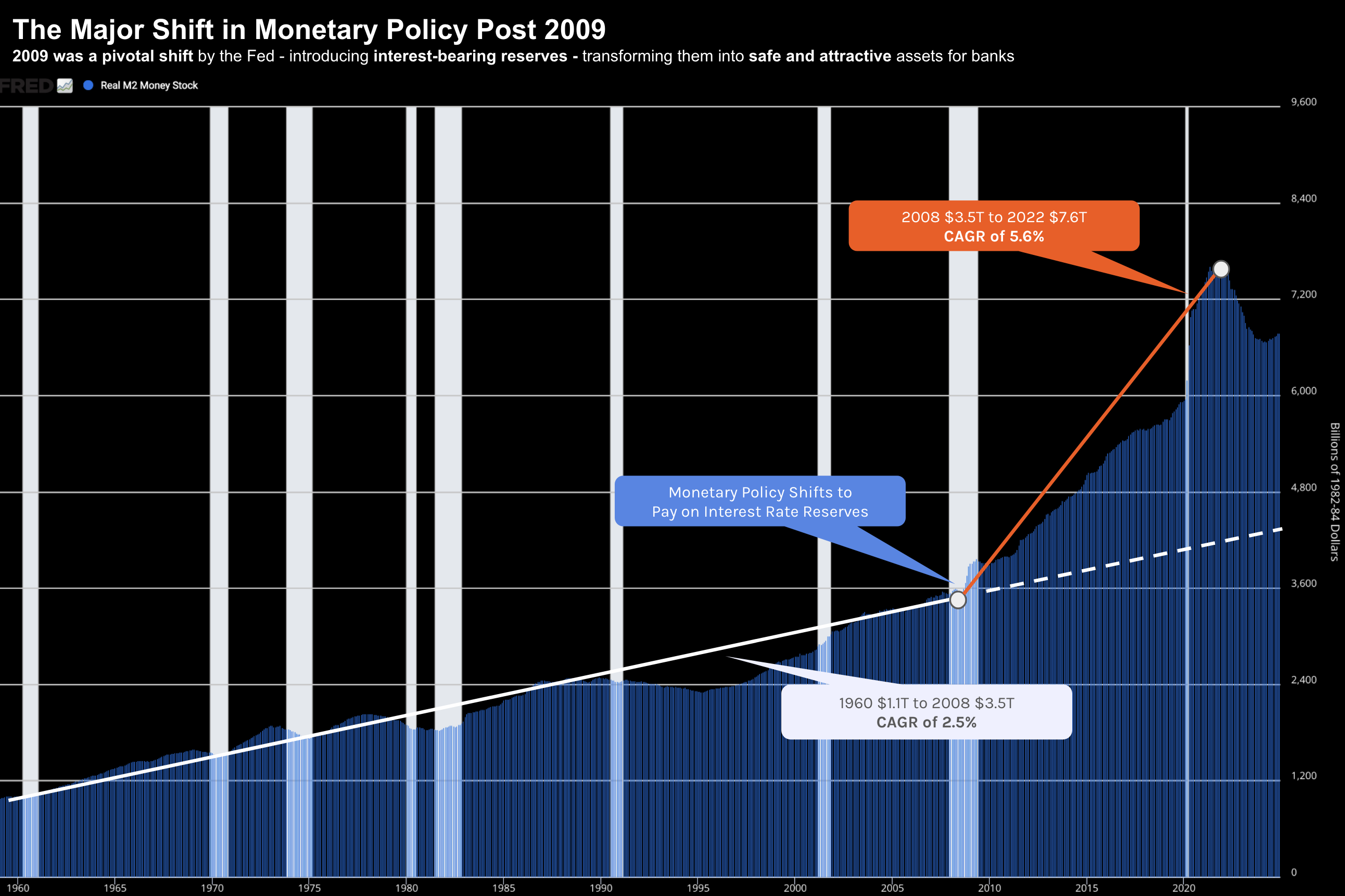
With 10-year yields trading around 4.50% (with the possibility to go higher) - why haven't equities sharply corrected? It's a good question. For e.g., on the surface, one might think equities would struggle given the zero risk premium investors are receiving. But that has not been the case. The stock market has withstood the sharp rise in bond yields (for now anyway). However, I believe there is a simple explanation. It's the amount of liquidity in the system. Liquidity is abundant - evidenced by the very low credit spreads in the market (participants see very little risk). Generally credit spreads widening are your first sign of trouble.

The Anatomy of a Growth Scare: How Tariffs, Tightening, and Inflation Impact Markets The Anatomy of a Growth Scare: How Tariffs, Tightening, and Inflation Impact Markets

The Anatomy of a Growth Scare: How Tariffs, Tightening, and Inflation Impact Markets

We started this year with the market pricing in only "good things". We had (a) the Fed ready to continue its easing cycle; (b) business friendly administration looking to cut taxes and lower regulation; and (c) the promise 'limitless' returns from AI. Investor expectations were very high - evidenced by the valuation multiples they were willing to pay (whether it was P/E; P/FCF; EV/EBIT etc). Traders were all leaning to one side of the boat. However, shares prices have lost all momentum the past 12+ weeks.

Why Bond Yields and Inflation are Challenging the Rate Cut Narrative Why Bond Yields and Inflation are Challenging the Rate Cut Narrative

Why Bond Yields and Inflation are Challenging the Rate Cut Narrative

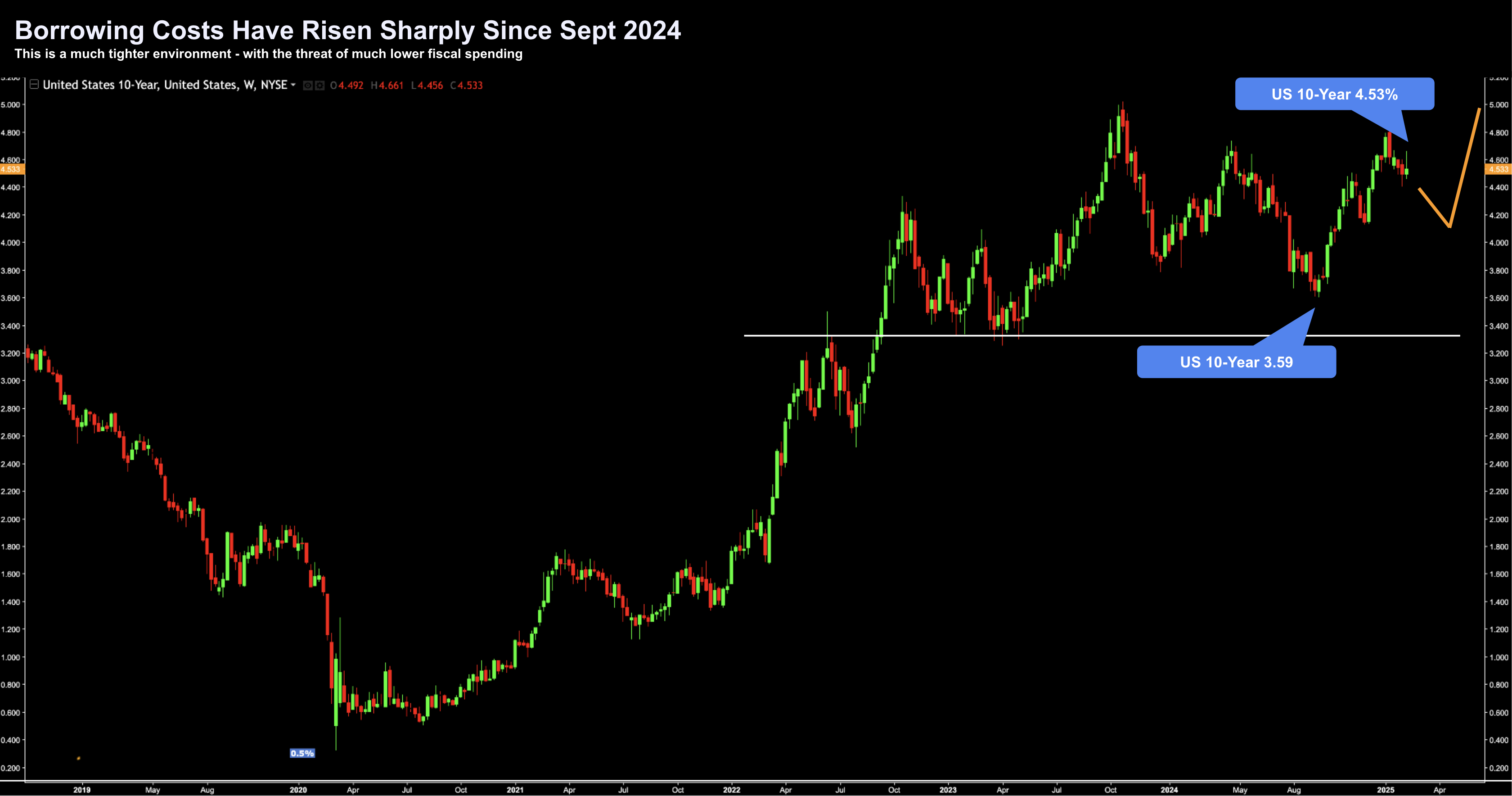
A few months ago Jay Powell claimed victory. Last Sept he said words to the effect of "the time has come to start easing rates". He initially cut rates by 50 points - followed by two more cuts of 25 basis points. Markets were thrilled at the thought of more cheap money - pricing in as many as 6 or 7 rate cuts over the next 12 months. However, at the time I asked why the need to cut? The data simply didn't support it. Jobs were fine. The economy was growing. Inflation was not yet at its desired level. Why cut? However, whilst the Fed was busy running a victory lap - the bond market was less convinced. The US 10-year yield went the other direction -- and appears likely to retest 5.0% in the next few months. What does this do to valuations?

Economic Indicators: When “Bad News” Becomes “Bad for Markets” Economic Indicators: When “Bad News” Becomes “Bad for Markets”

Economic Indicators: When “Bad News” Becomes “Bad for Markets”

Last weekend I questioned whether markets could break out to the upside; or perform what trader's refer to as a "back and fill". My best guess was the latter. In turns out, things traded 'per the script', where the S&P 500 suffered its worst week since March 2023 - giving back 4.20%. The Nasdaq fared far worse - shedding ~6% - led by large losses in popular AI chip stocks. So why are market's worried? It's concerns about growth. With a market trading close to ~22x forward earnings - expecting YoY EPS growth of 11% -- that's not consistent with 'slowdown' scenario.