Category Macro / Economy

Cautious… But Invested

It's a brave person who is short the market. Probabilities suggest we are headed higher in the near-term. For example, previous episodes of Fed pausing suggests stocks typically gain. My sentiment today is best described as 'cautious... but invested'. To that end, one should always be invested to some extent. And whilst it's always unwise to be completely remiss of the risks -- it would be an even greater mistake not to have some exposure to higher quality risk assets and fixed income (at current yields)
Two Reasons the Fed Could Cut Rates

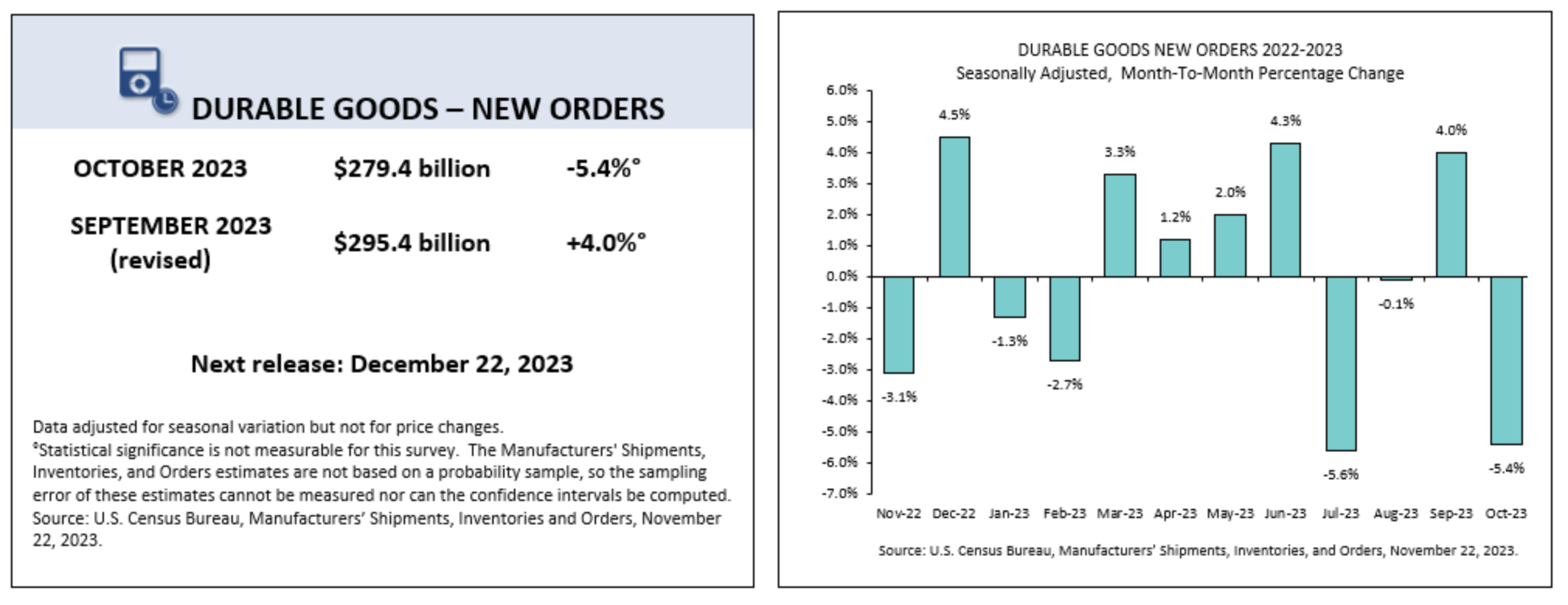
The latest set of economic numbers support a 'goldilocks' scenario for stocks. For example, durable goods orders continue to fall (a positive for inflation); and employment remains robust (a positive for growth). The question is what could cause the Fed to cut rates mid next year (given this is what is priced in)? I will offer two reasons... both of which I think are unlikely before June.

The Folly of Forecasting

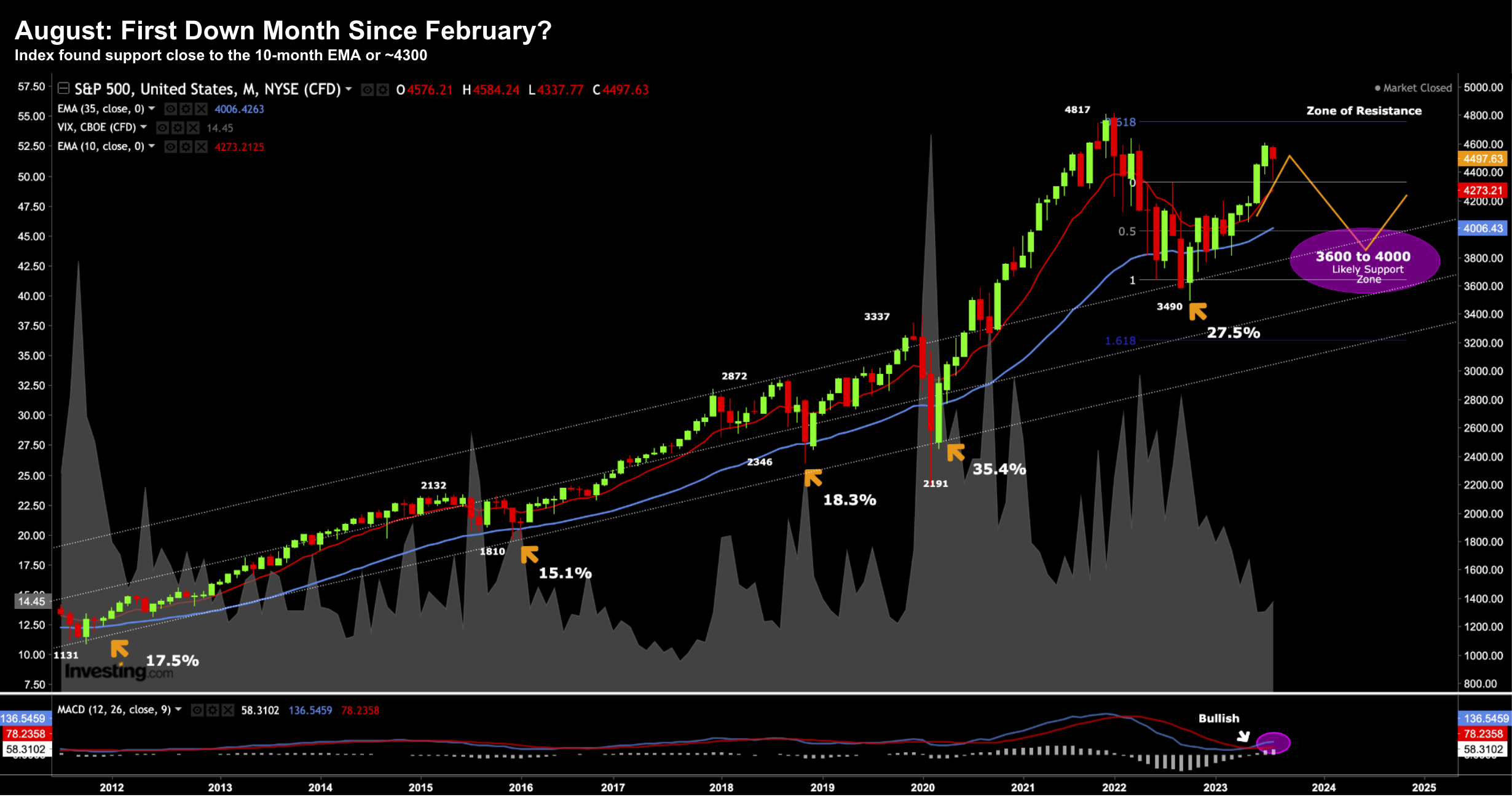
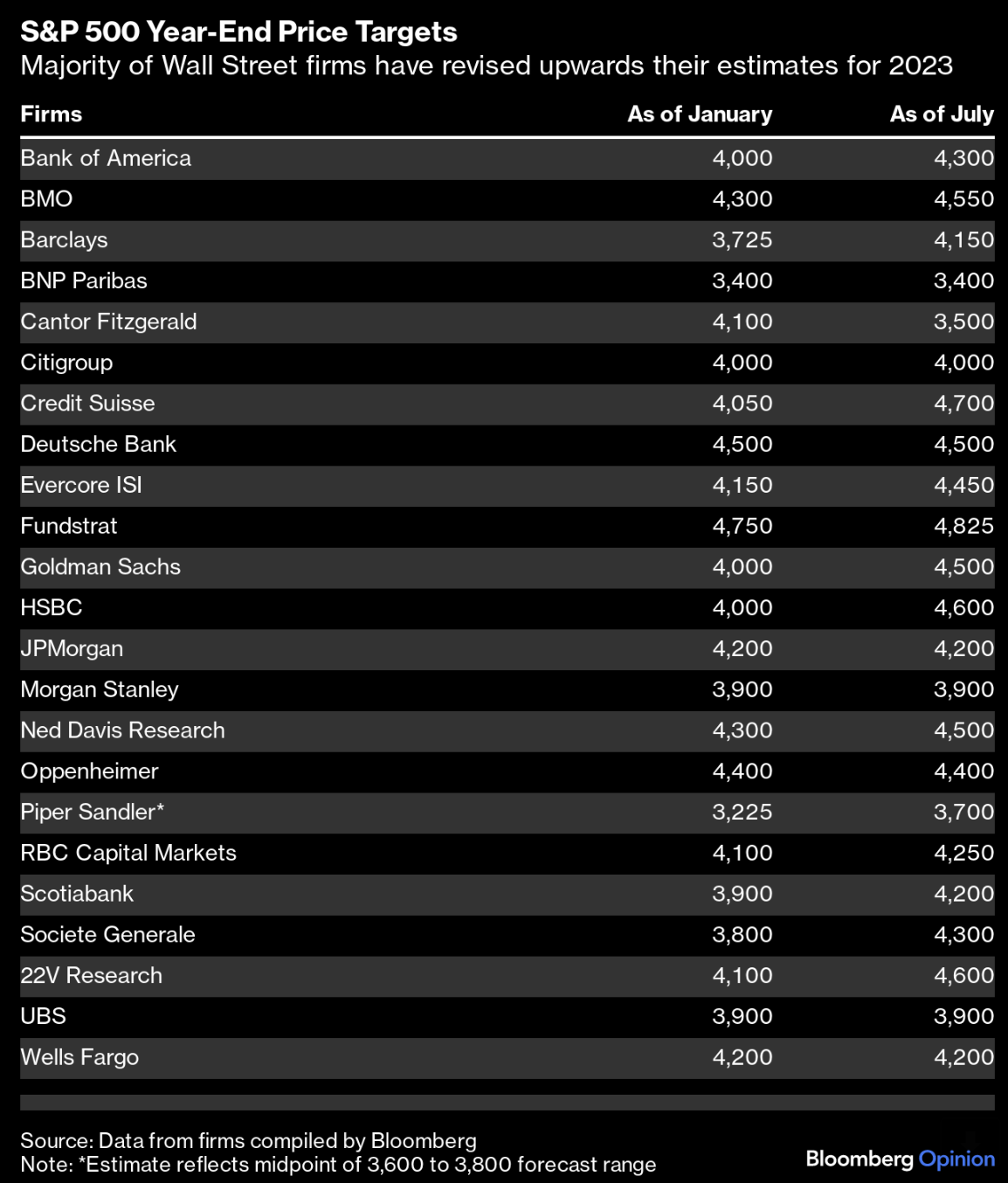
July 24 this year the S&P 500 traded around 4600. At the time, gains were almost 20% for the year. The bulls had all the momentum and analysts were ratcheting up their end of year forecasts. Some felt 20% YTD gains were not enough - calling for even greater upside. What happened? Stocks corrected around 10% offering investors a better opportunity. The game of near-term forecasting is a fool's errand...

Did Ackman Just ‘Ring the Bell’ on Bond Yields?

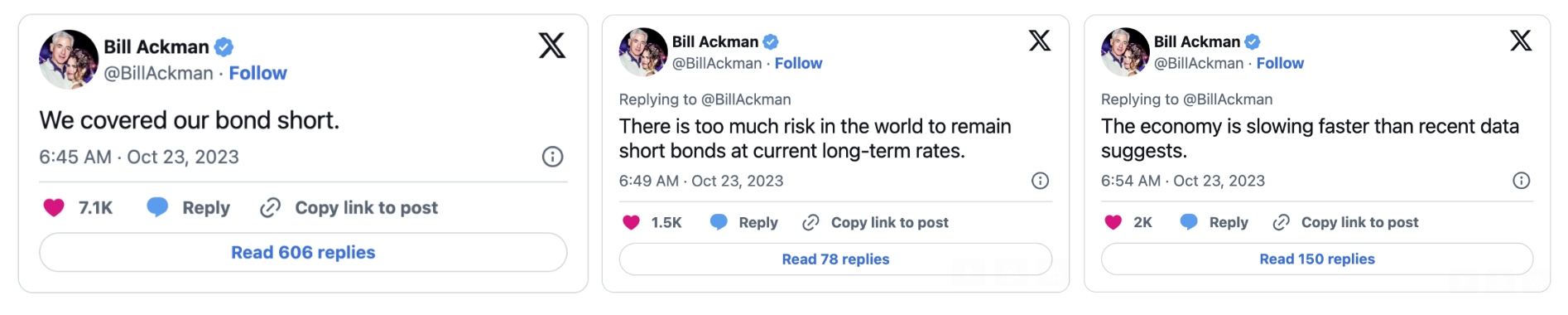
Over the weekend - I made the case for investing in fixed income. I think there's a compelling longer-term opportunity for investors - where fixed income warrants exposure in your portfolio. Turns out, it may not be just me thinking this way. For example, last week I referenced Howard Marks' latest memo. He explained how some are offering equity-like returns for investors (e.g., above 8% for non-investment grade debt). What's more, Warren Buffett said he was increasing his exposure to bonds (at the short and long-end) a couple of months ago. Today billionaire investors Bill Ackman and Bill Gross were sounding the horn. Question: are we getting closer to a near-term peak in long-term yields?

Why Powell Oscillates b/w Dovish & Hawkish

Is Powell dovish or hawkish? The answer is he is both. And it's intentional. Part of the Chairman is looking in the rear-view mirror (strong jobs, GSP growth, wage pressure and inflation); and part of him is looking ahead (weaker growth; falling jobs; lower inflation). He straddles both sides. But what she he pay more attention to? The answer is the latter - but he can't ignore the former. That said, I also think the Chair's choice of language was interesting. He believes above trend growth and strong jobs are what's causing inflationary pressure - maybe in part. But I will argue it's the lagging effect of monetary policy... when you increase money supply by 40% in just 2 years.

Is it Still Going to be a “Soft Landing”?

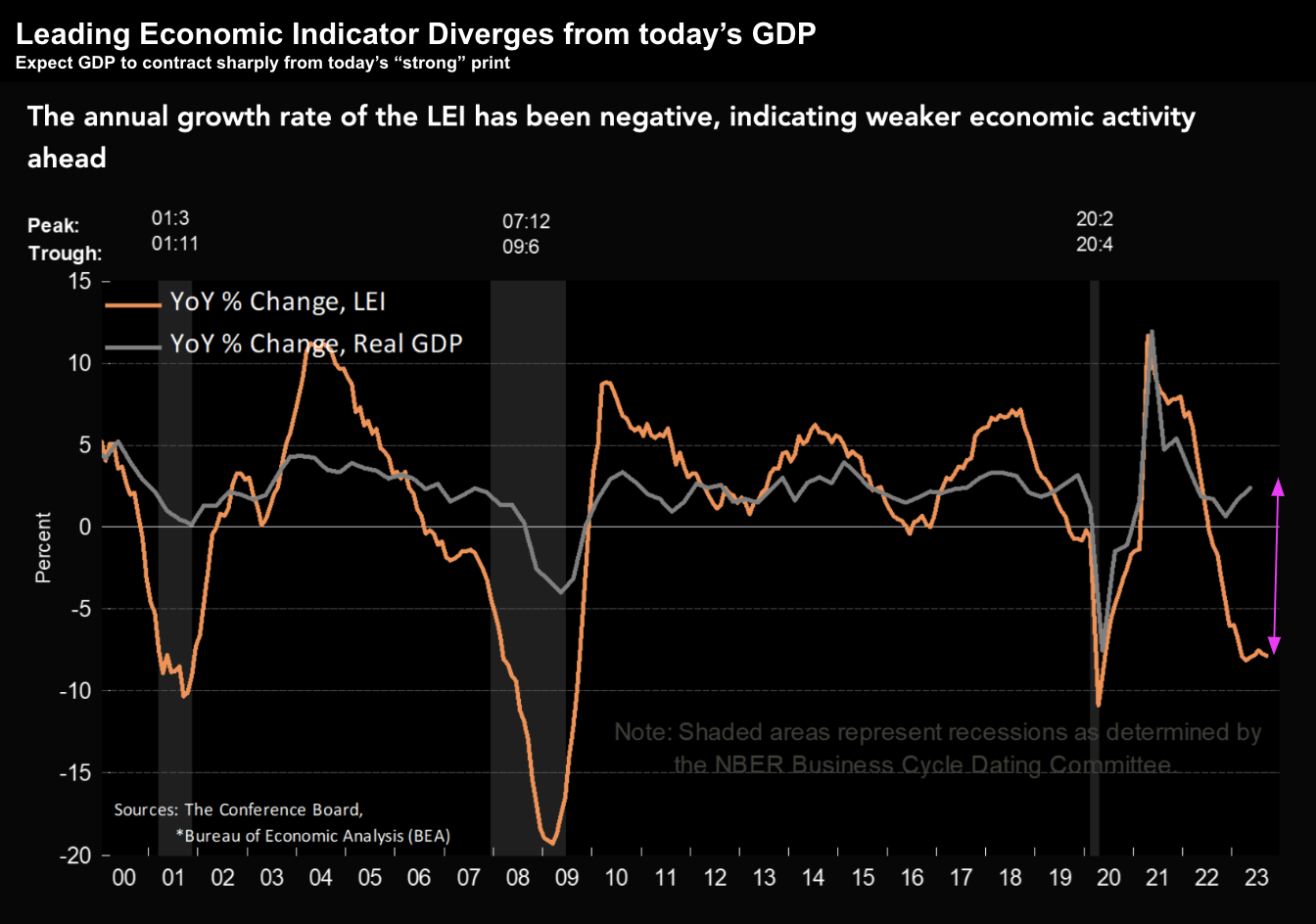
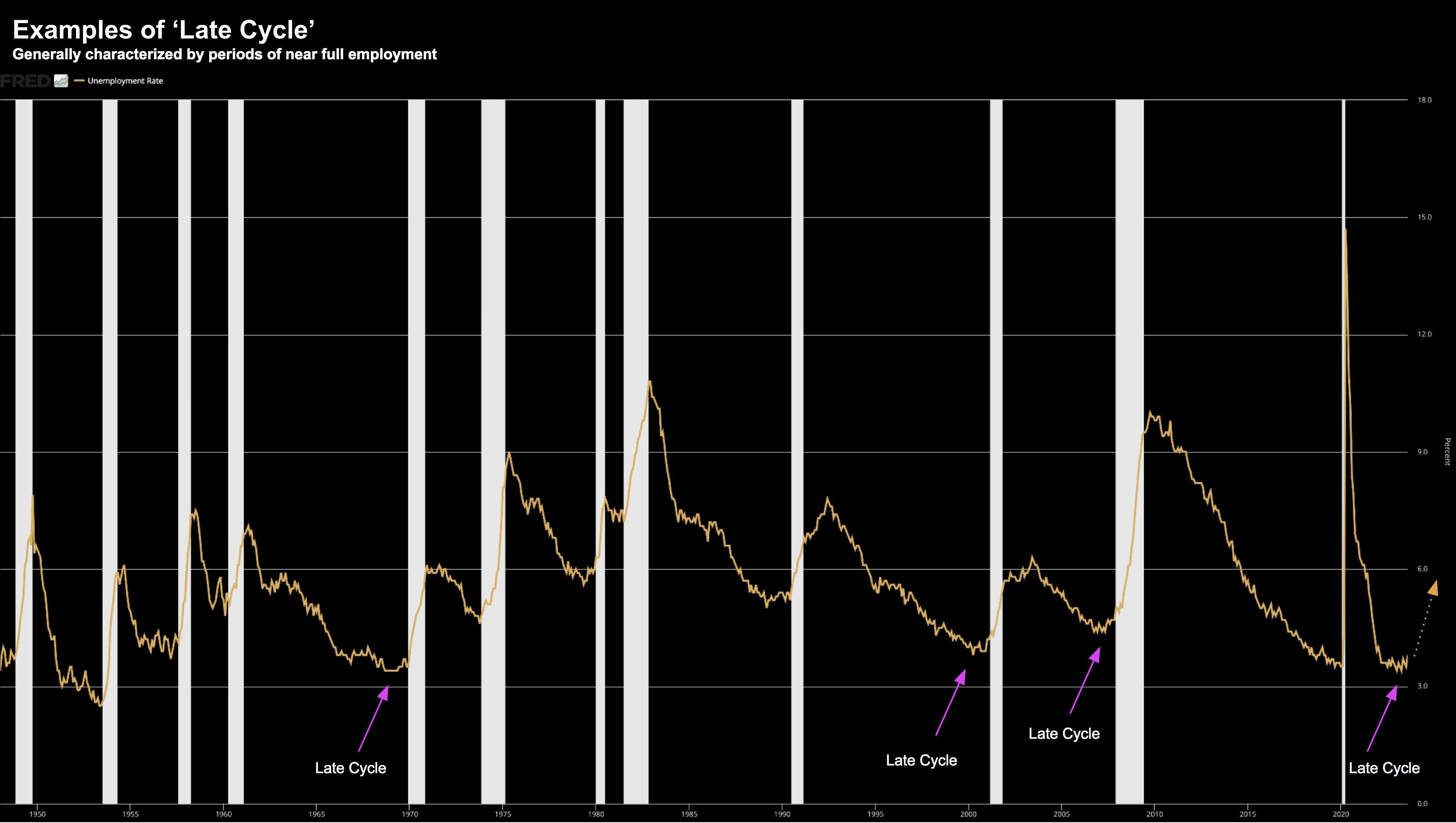
2023 has been one of the more difficult years to navigate. For example, if you chose the wrong stocks, sectors or simply decided to hide in cash - you didn't fare well. However, what's also made it hard has been the various shifts in sentiment the past ~9 months. These shifts have 'whipped' traders around. Today, with the US 10-year yield challenging almost 5.0% - the "R" word is back in the vernacular. Much of this can be explained by understanding where we are in the economic cycle... and today it's "late cycle". The challenge is navigating this phase is the most difficult of any... as it will often last longer than many expect.

Where Do We Go From Here?

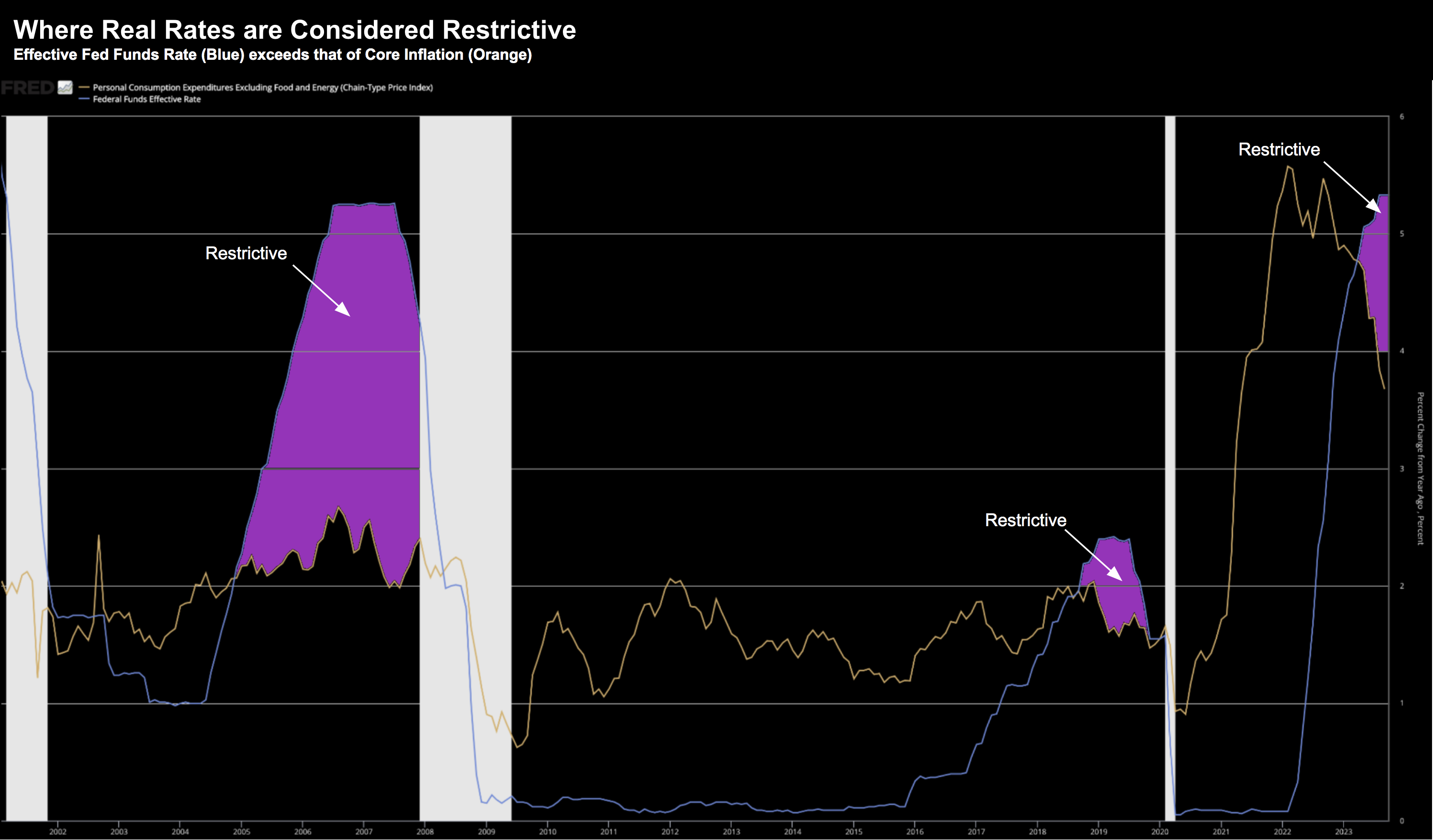
Major averages pulled back this week on fears rates could remain higher for longer. Makes sense - with the US 10-year above 4.25% - that's a reasonable assumption. But here's the thing: get used to it. Whilst rates might feel 'tighter'... rates are still not historically high. Not even close. What was not normal was rates being artificially suppressed to near zero for 15 years. And that might prove to be a difficult adjustment for some people. So where to from here? The honest answer is none of us know. What follows are some of the assumptions being made; and perhaps gaps in the market's thinking... it starts by asking quality questions.

For Now… Bad News is Good News

August has proven to be a bumpy month for equities. And if the Trader's Almanac is any guide - it's not surprising. August and September are typically weaker months for stocks. For example, over the past decade, the S&P 500 has managed an average gain of 0.1% for August. Dismal. If you go back two decades, it becomes an average loss of 0.1%. Why? Maybe it's due to most of Wall Street taking summer vacation in The Hamptons - meaning trading volumes are low. Or it could be some traders locking in profits ahead of September - which boasts the worst record of any month in the calendar. For example, the S&P 500 has lost an average of 1% each September over the past 10 years.

Beware the “Bear Steepening” of the Curve

My last post talked about how the market is now taking its cues from bond yields (less so the Fed) Don't get me wrong... what the Fed does (or says) matters. We will hear more from Chair Jay Powell at the end of the week. Expect hawkish tones. To recap on what I shared earlier this week - globally long-term bond yields trade at their highest levels in 15 years. However, what's interesting is the shorter-end (e.g. 2-year and below) is not keeping pace. This has net the effect of "steepening" the all-important 10/2 yield curve. Question is - will that be a problem? History may offer some clues.

Why Core Inflation Will Remain Sticky

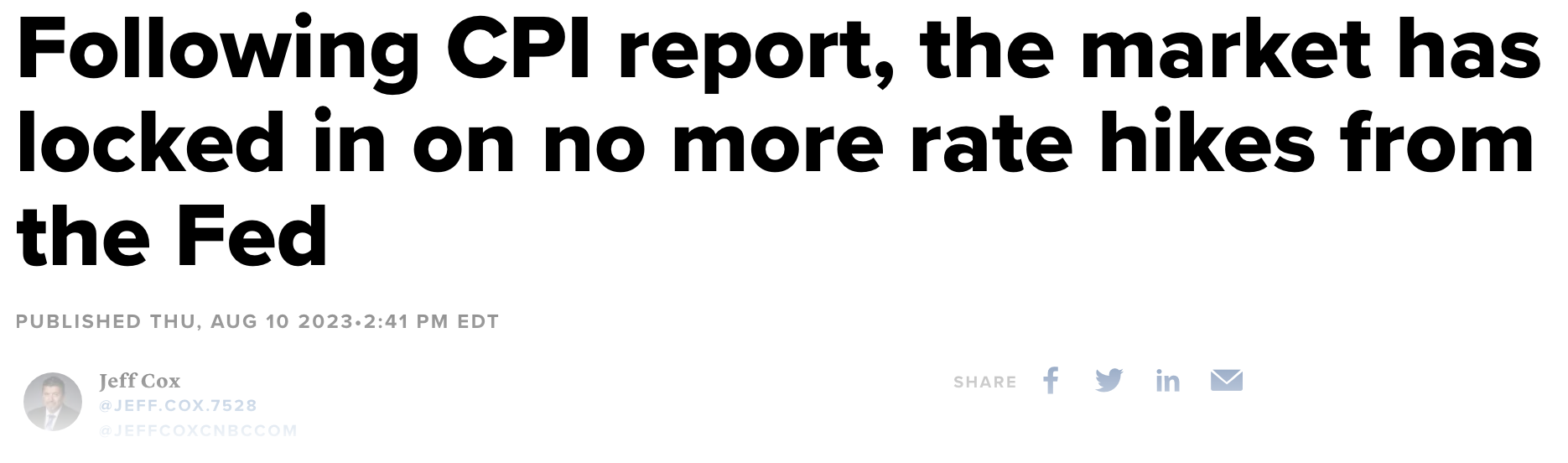
Markets got excited on news of the softer-than-expected CPI headline print today. Headline inflation came in at 3.2% YoY vs expectations of 3.3%. However, what deserves closer scrutiny is not the headline number - it's Core CPI at 4.7% YoY and shelter costs. For e.g., two-thirds of the monthly inflation increase came from shelter - where rents rose 0.4% MoM. This is now the 18th straight month the price of shelter has risen at least 0.4% MoM. But here's the thing - there isn't. much the Fed can do with monetary policy to change this.