Category Investing Lessons

Why Buffett’s Mentor Would Reduce Risk

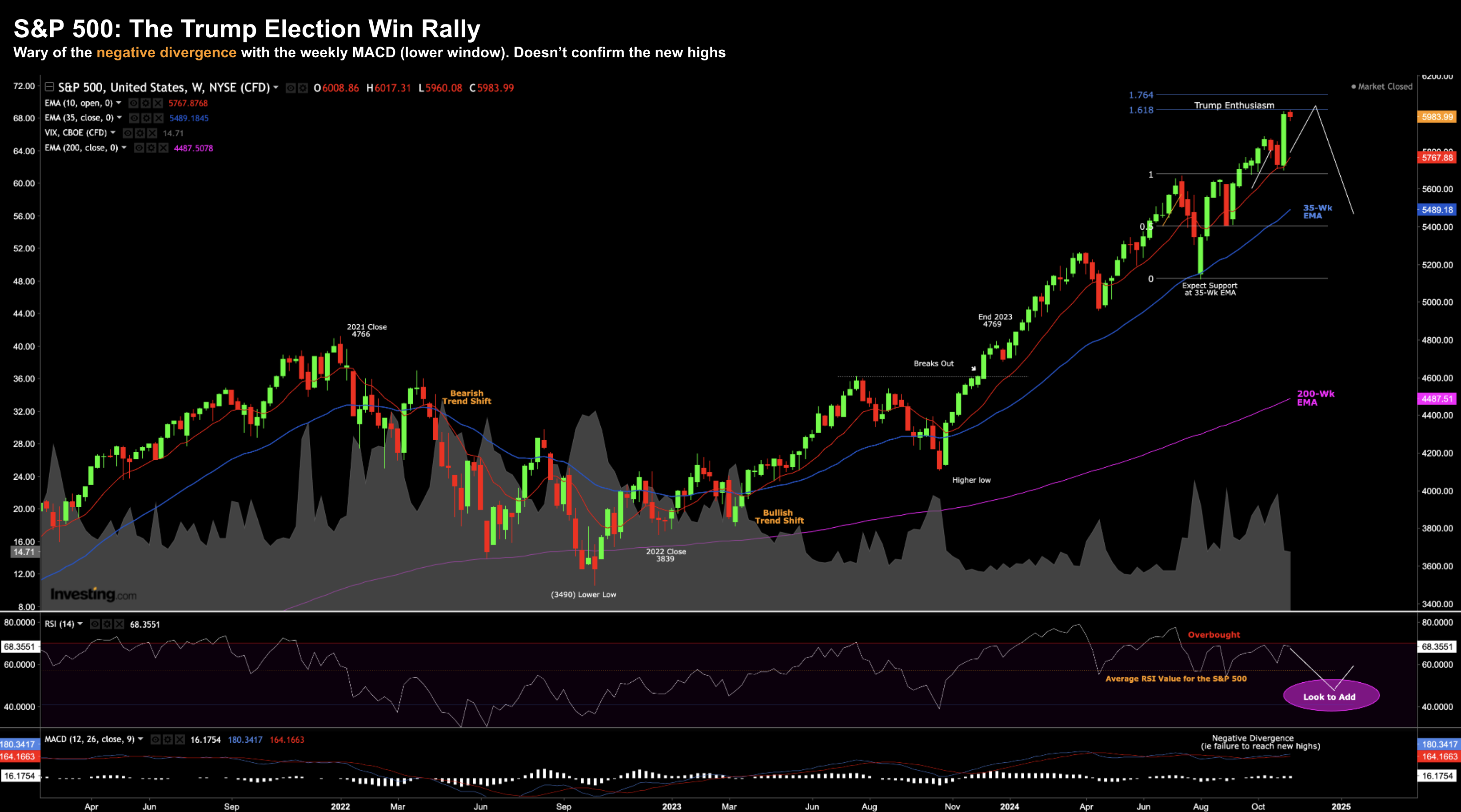
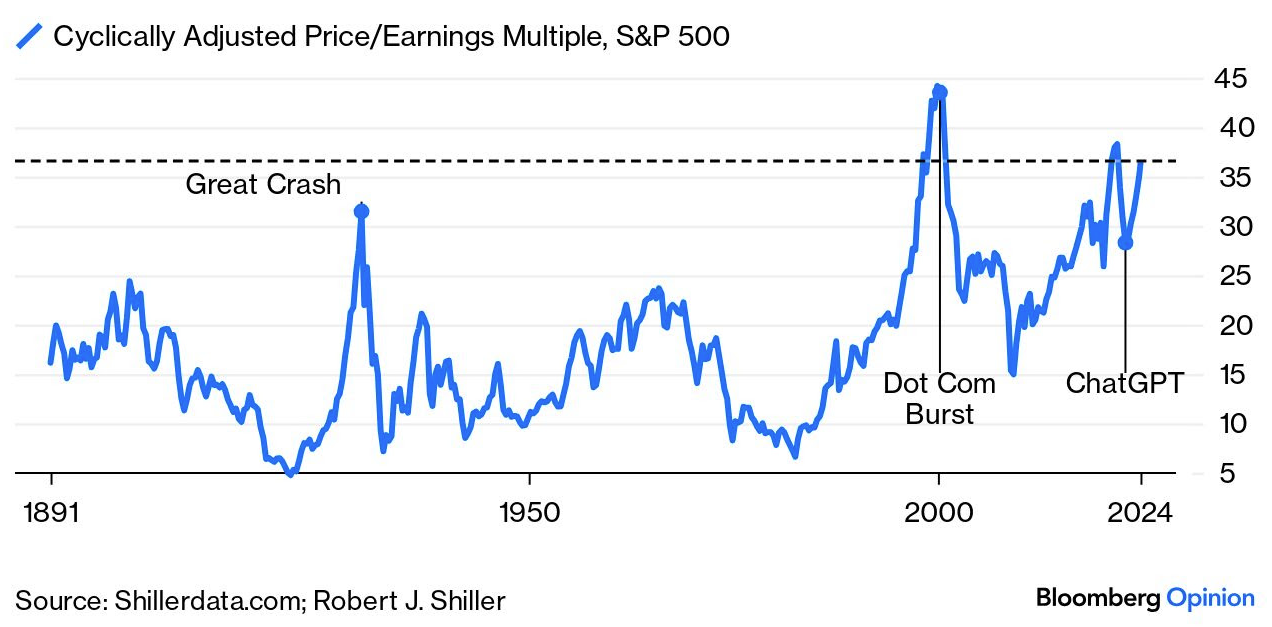
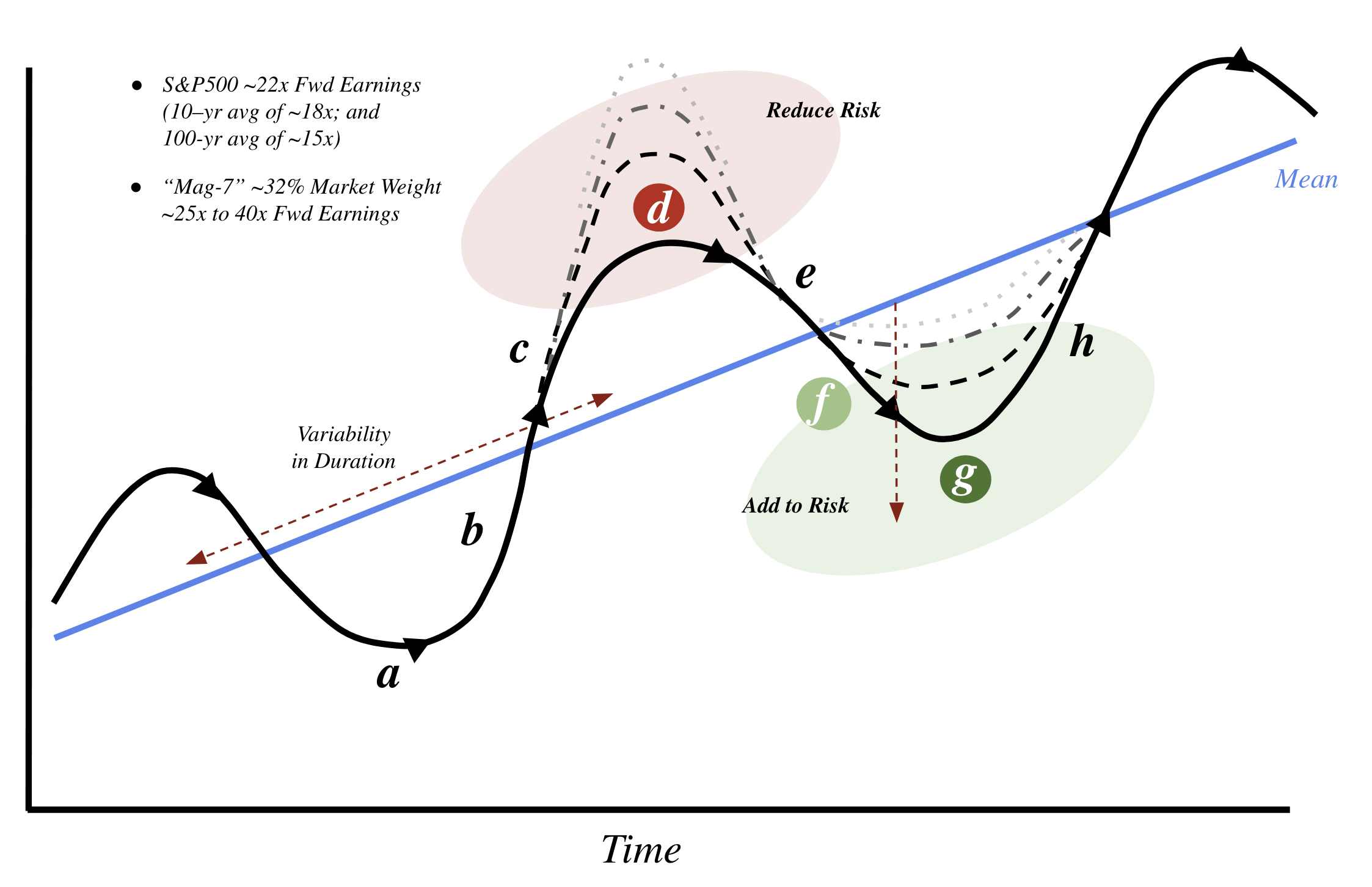
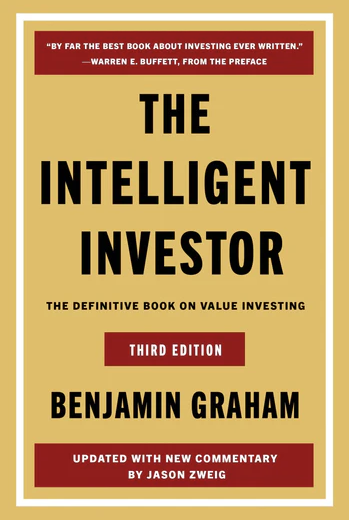
I've been re-reading "The Intelligent Investor" by Benjamin Graham. Warren Buffett called it "by far the best book on investing ever written" - crediting Graham with laying the foundation for his entire investment philosophy. The book taught me three powerful lessons: (1) above all else, investing is about protecting your capital; (2) investors should strive to pursue adequate and sustainable gains; and (3) it requires overcoming self-defeating behaviors (e.g., fear, greed and bias). The lessons could not be more timely given today's excessive valuations.

Are Chinese Stocks ‘Investable’?

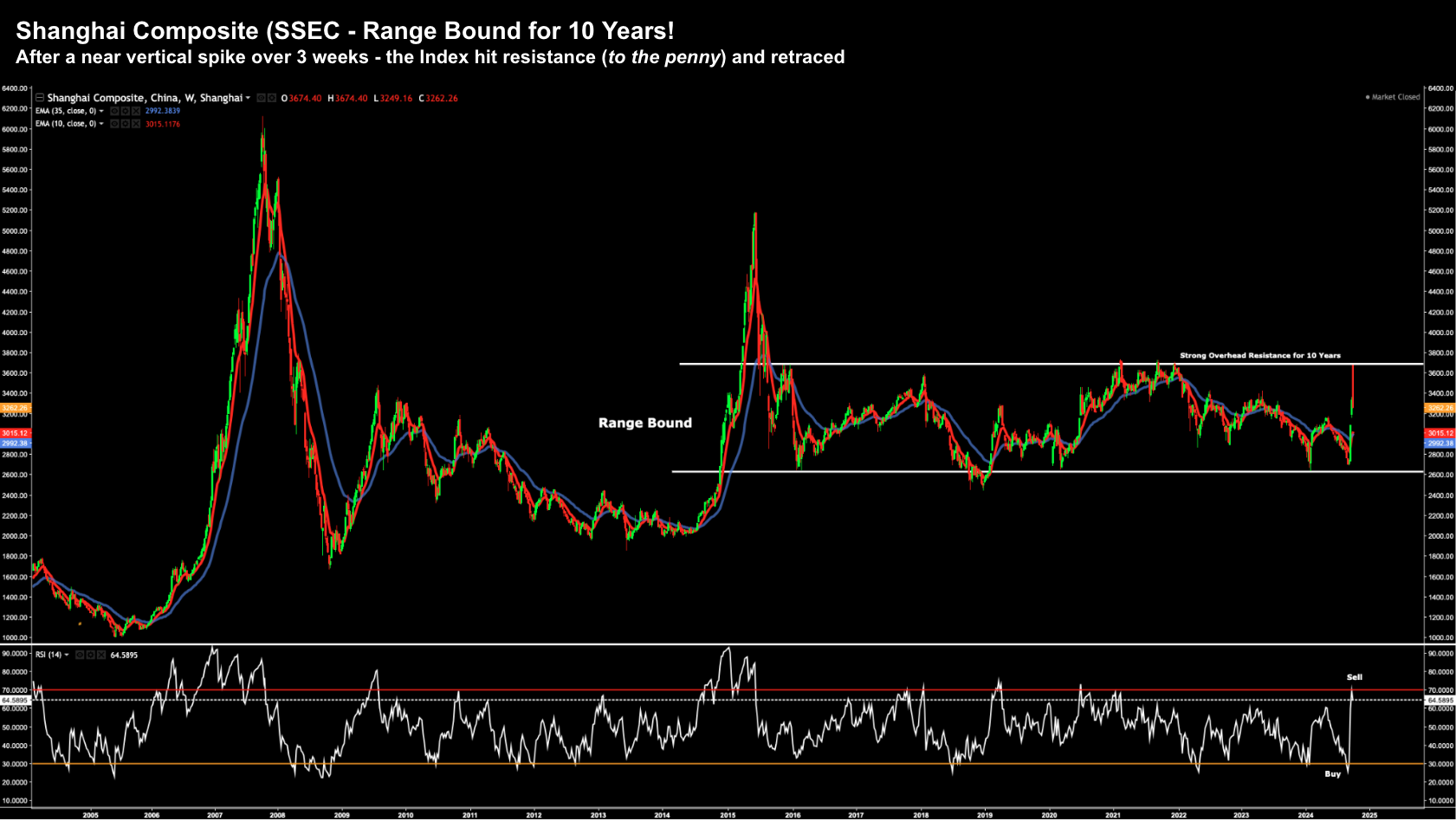
The recent rally of over 25% in Chinese was something we've not seen in over a decade. Beijing’s 'stimulus blitz' excited both institutional and retail investors alike. As context, China has struggled with deflationary pressures due to a prolonged real estate downturn and weakening domestic consumer confidence. In addition, a slew of economic data in recent months has missed expectations, raising worries the world’s second largest economy may not achieve its 5% full year growth target. The question is can the central government turn things around with more stimulus? I doubt it....

Growth Defies Fear

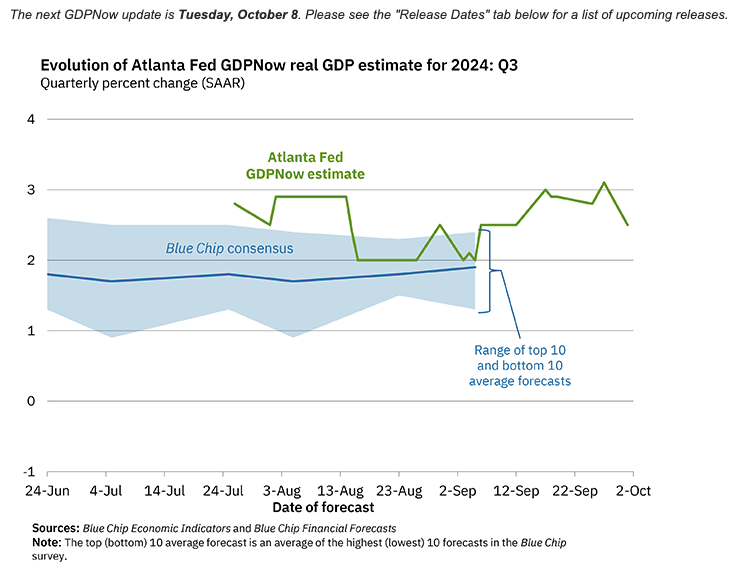
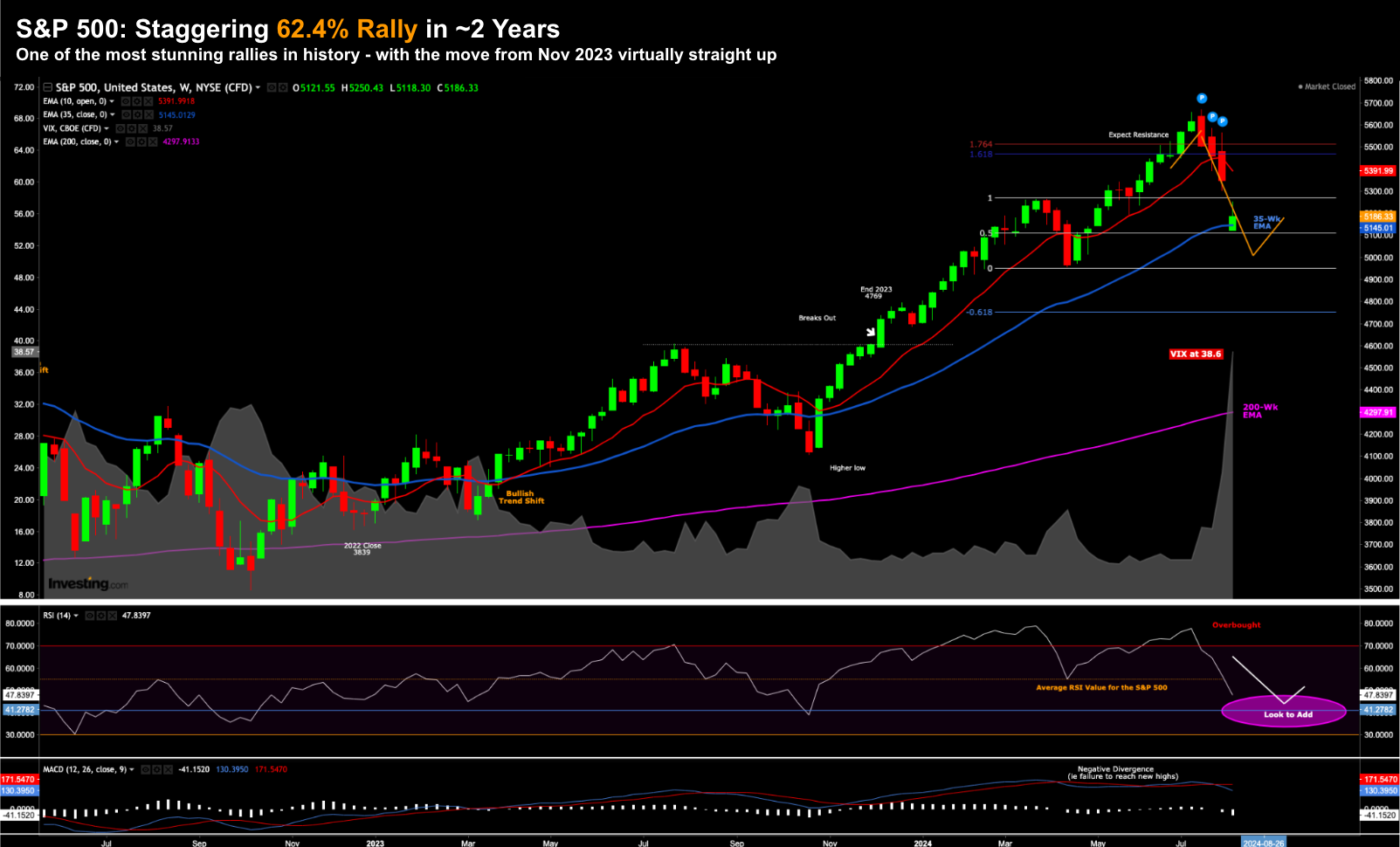
In my experience - growth ultimately defies fear. And whilst stocks will always climb the wall of worry - over time - growth prevails. The challenge for investors is the pathway is rarely in a straight line. Put another way, markets are constantly in a tug-of-war between opposing forces. Consider what we see today... we have a surprisingly robust US economy, defying expectations of a slowdown. Tailwinds include Fed easing, disinflation and a consumer which continues to spend. The counterforce to the further growth are escalating geopolitical tensions in the Middle East - which threaten to disrupt the global economic order

A Time of Transition

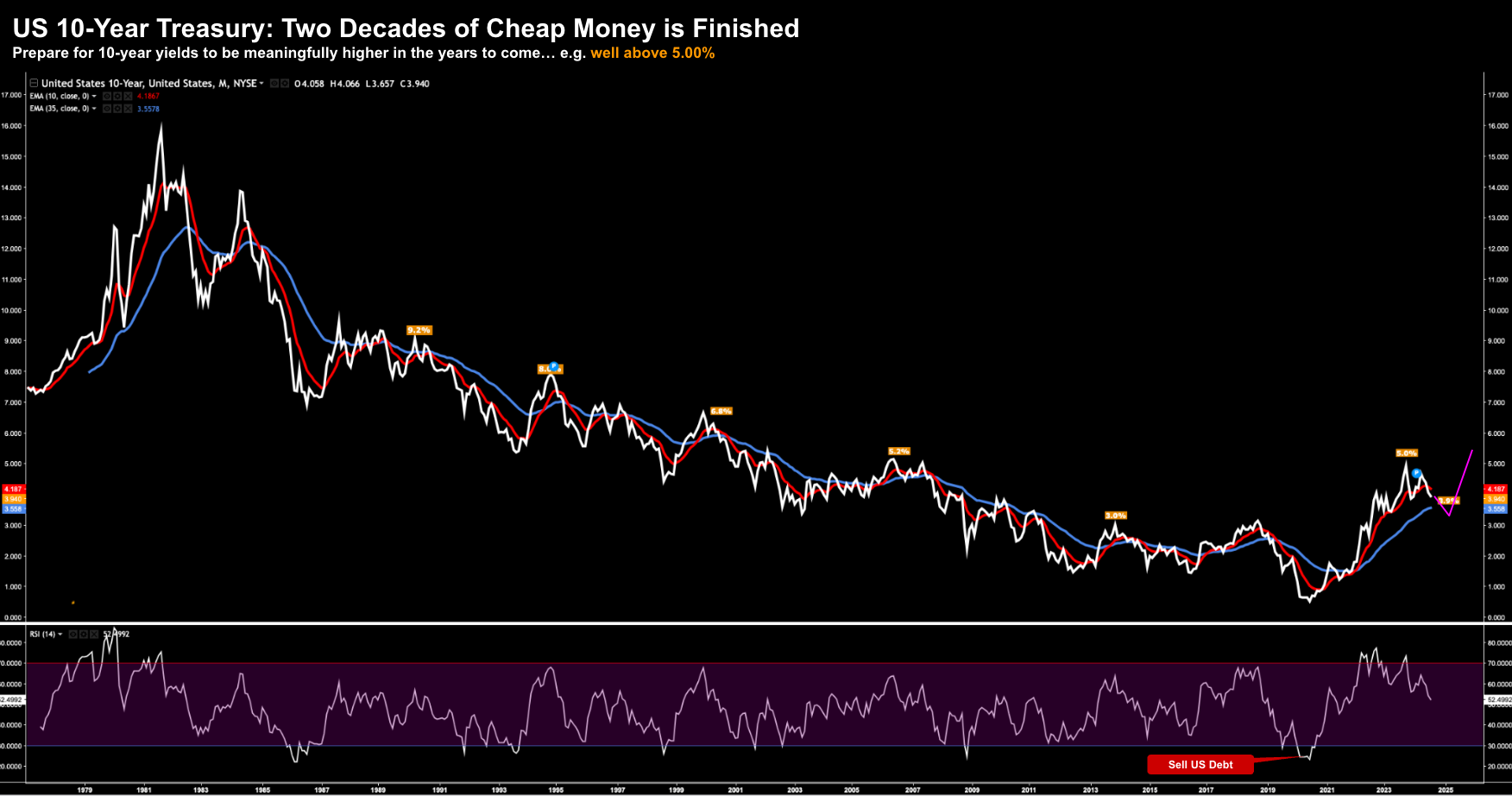
Think of a time when you worked through major transition in your life. For example, maybe it was the end of a relationship; a deep loss; changing your career; starting a family; or relocating for work. Generally during times of meaningful transition there is a period of adjustment and uncertainty. And sometimes, the change will come with volatility. From mine, it's possible the market's wild behavior this week is representative of one in transition. However, it's still early. Volatility in stock markets are typically associated with meaningful turning points... this posts explore more about what's happening below the surface; and why I think the 20-year era of cheap money is drawing to an end.

Fear & Greed

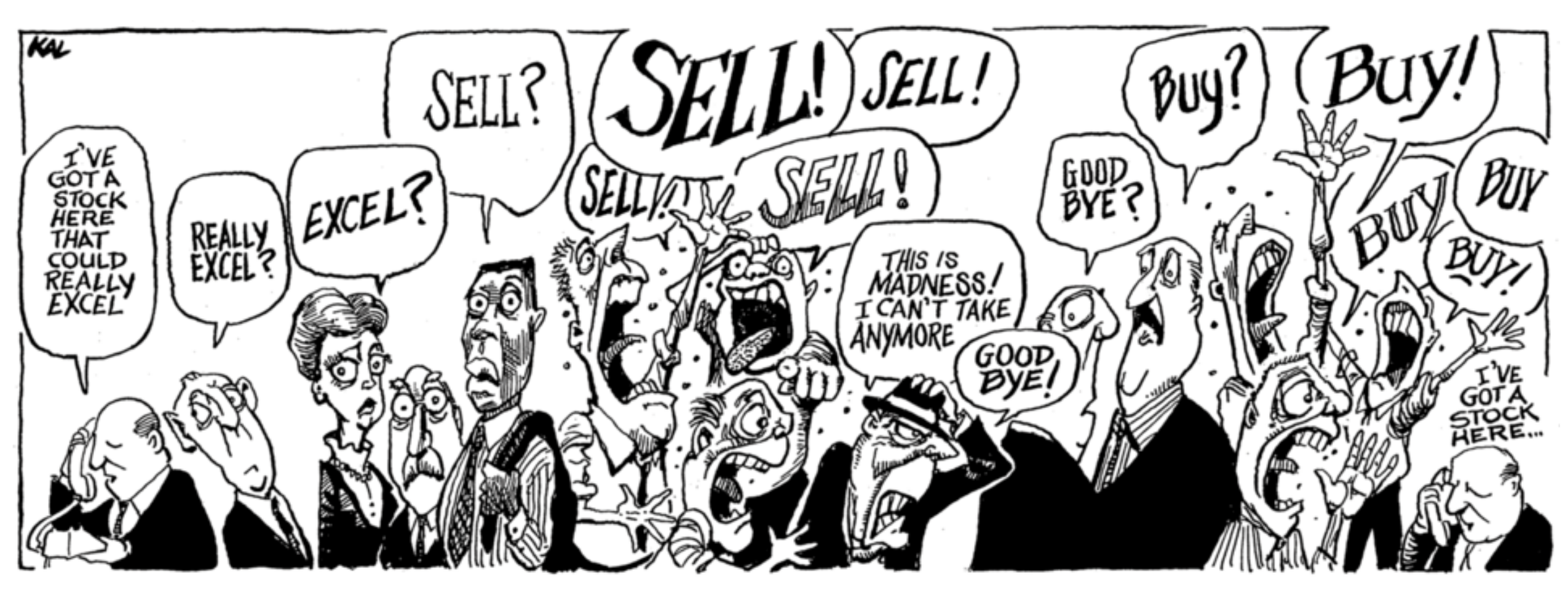
Wall St. is driven by just two emotions: fear and greed. Pending on the degree to which you succumb to these emotions - it will have a profound impact on your bottom line. All too often, most investors will do two things: (i) buy when there is market greed; and (ii) sell when there is fear. It's the opposite of what you should do. However, this is something you need to master if you are to be successful in the game of asset speculation.

Lesson: Don’t Try and Pick ‘Tops or Bottoms’

Everyone makes mistakes. In fact, I love 'collecting' mistakes - whether they are my own or from someone else. It's the only way I learn. This post shares two 'mistakes' from a popular media personality. His name is Jim Cramer who hosts a show called "Mad Money". Earlier this week he said "the bottom is in for CrowdStrike". Big call given recent events. Fast forward a few days and the stock is 16% lower than when Jim called the bottom. So what can we learn from this?

Quarterly Real PCE Up YoY… As Savings Fall

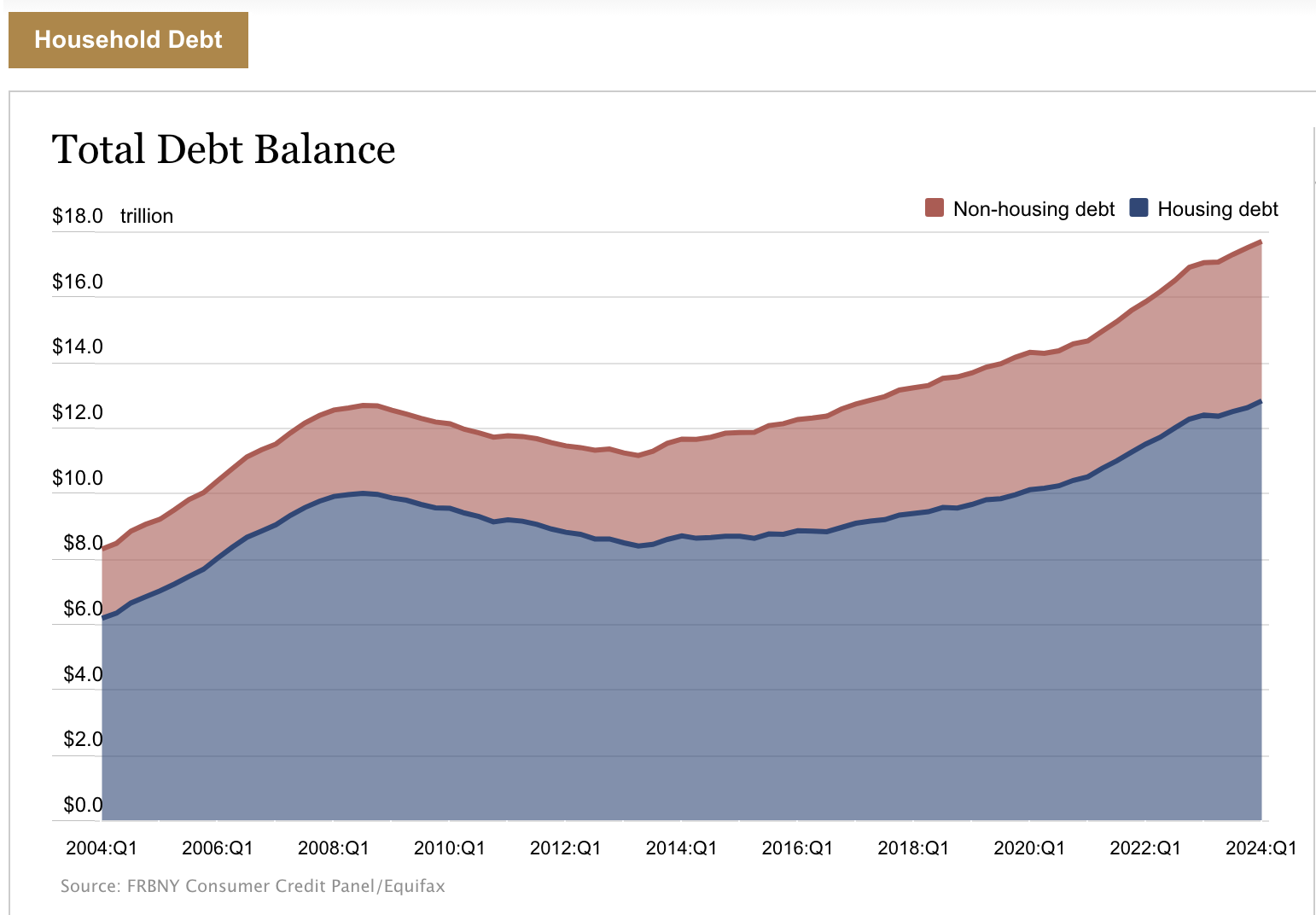
The market received three important data points this week - inflation, wages and consumer spending - and it was mostly good news. First up, inflation continues to moderate. The Fed's preferred inflation index - Core PCE - showed prices increased at a moderate pace for June— confirming excessively high inflation is behind us. However, prices are still ~30% higher than 3-years ago... they're just rising at a slower pace. Whilst inflation is important - I wanted to know if consumers are still spending? The answer is they are - and by whatever means possible. They are drawing down on their savings and ramping the use of credit cards - which has seen card delinquencies hit decade highs. But from equities perspective - higher spending is good news. This feeds the 'soft landing' narrative....

The Three Stages of a Bull Market

Charlie Munger once warned us when wishful thinking takes hold - investors tend to believe that good times will be followed by more good times. This mentality feeds on itself - driving momentum - pushing prices higher. It's what fuels the final stages of a bull market. Attributes such as independent thought, logic, rationale and objectivity give way to herd behavior. That's when your internal alarm bells start ringing... and you start thinking differently from the crowd. Very few people have the ability to do that... but it's what's required.

Real Retail Sales Continue to Warn

When I caught the headline "retail sales hold up in June - better than expected" - I was curious to read the detail. Yes, it's true that nominal sales were flat MoM. But that's not what it states. They don't mention "nominal". As analysts and investors - nominal values are of very little use. What helps us more when forecasting trends (and assessing risks) is real sales. Real retail sales are those adjusted for inflation. And with inflation stubbornly high ~3.0% year-over-year (approximately) - that makes a big difference. When viewed through this prism - real retail sales have been declining for months.

Why ‘Soft Landings’ Deserve Scrutiny

What impact will a 'soft-landing' have on current stock valuations And does there need to be a recession to experience a meaningful (e.g. 12%+) decline? My short answer is no. The gist of this post is to remind investors that you don't need a definitive line-of-sight to a potential recession before protecting gains. I say that because recessions are lagging events - which come at the very end of the cycle. By the time they arrive - the economic damage is already done. Therefore, we need to be in front of the curve. Typically in the 9-months leading up to a recession - stocks continue to trade at or near highs - as analysts raise their outlooks. Unemployment and earnings are usually strong - as GDP keeps its head above zero. But those who are able to understand where we are in the business cycle will pay careful attention to what's happening shortly after peak economic growth.